
Practical Guide to Zone 3 Gardening: What Really Works
Zone 3 gardening means working with cold weather and a short growing season. Winters are long and harsh, and frost can last well into spring. You only get about 90 to 120 days to grow, so timing and planning matter a lot.
The soil warms up slowly, and sudden cold snaps can surprise you. But with care and patience, you can still grow a colorful, thriving garden.
The trick is to make the most of your short season. Use sunlight, protect your plants, and work with the weather instead of against it.
1. Start Seeds Indoors Early
In Zone 3, waiting for the snow to melt can waste precious time. The growing season is short, so start your seeds indoors while winter is still hanging around.
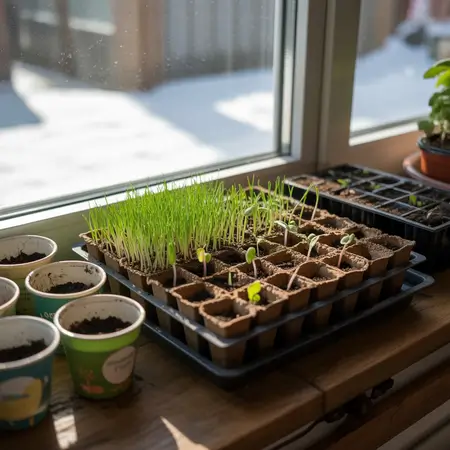
You can use seed trays, egg cartons, or even small cups near a sunny window. Give them warmth and light so they sprout strong.
When the ground finally thaws, your plants will be ready to move outside. Watching green sprouts pop up when everything outside is white feels like a small sign that spring is on its way.
2. Choose Cold-Hardy Plants
Cold-hardy plants are the secret to success in Zone 3. These are plants that can handle cool nights and even a bit of frost. Look for words like “frost-tolerant,” “hardy,” or “short-season” on seed packs.
Many vegetables like kale, carrots, peas, and potatoes thrive in cool weather. Flowers like pansies and lupines can also handle the chill.
Once I switched to hardy plants, I stopped worrying every time the temperature dropped. Choosing plants made for your climate means less stress and more blooms, even when nights get cold.
3. Use Raised Beds for Warmth
Raised beds are a big help in cold zones. Because they sit higher, the soil warms up faster in spring and drains better after snow melts. This means you can plant earlier and avoid soggy roots.
I built mine from old wood boards, filled them with rich compost, and they’ve been a game changer. Raised beds also make weeding and watering easier.
You can add hoops or covers later if frost threatens. It’s one of the best ways to make the most of your short growing season.
4. Protect with Covers and Cloches
Cold snaps in Zone 3 can surprise you even after warm days. Keep garden covers ready. Old sheets, frost cloths, or plastic tunnels work great.
At night, drape them over your plants to hold in warmth. In the morning, remove them so plants can get sunlight. You can also use clear plastic jugs as mini cloches for single plants.
I’ve saved entire rows of lettuce this way when frost rolled in overnight. Simple protection can mean the difference between losing a crop or keeping it thriving.
5. Make the Most of Sunlight
Sunlight is a gardener’s best friend, especially in cold zones. Find the sunniest spot in your yard somewhere that gets at least six hours of direct light each day. Avoid areas shaded by trees or buildings.
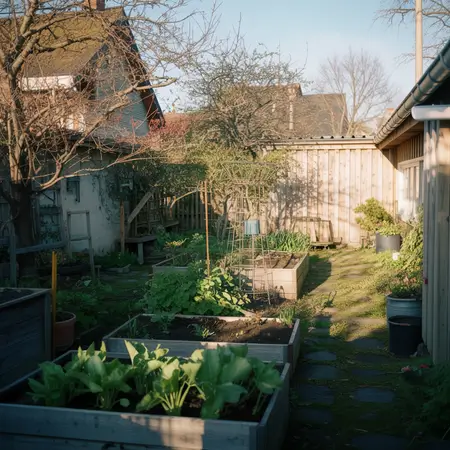
In Zone 3, the extra warmth from the sun helps your soil stay workable and boosts plant growth. If your space doesn’t get full sun, try using reflective surfaces like light-colored fences to bounce light around.
Every bit of sunshine counts when your growing season is short and cool.
6. Mulch to Keep Soil Steady
Mulch helps protect your garden in many ways. In Zone 3, it keeps roots warm at night and prevents soil from drying too fast.
Spread straw, shredded leaves, or grass clippings around your plants. It also keeps weeds down and gives your garden a neat look. I like using straw because it’s light and easy to spread.
As it breaks down, it adds nutrients to the soil. Mulching is one of those simple steps that saves time, holds moisture, and keeps your plants happy all season long.
7. Grow in Containers
Container gardening works great in Zone 3, especially if your soil is rocky or frozen late into spring. Use pots, tubs, or barrels filled with rich soil.
You can move them around to chase the sun or protect them from frost by bringing them inside. Herbs, lettuce, and flowers grow beautifully in containers.
I kept a pot of basil near my kitchen door all summer, and it thrived. Growing in containers gives you flexibility and control perfect for small spaces or unpredictable weather.
8. Water Smartly
In cold zones, weather changes fast. Sometimes wet and chilly, sometimes dry and windy. Water deeply when you do, but don’t overwater. The best time is early morning, so plants can drink before the day warms up.
Avoid watering at night because it can make plants cold and soggy. A good layer of mulch helps hold in moisture too.
When I started watering less often but more deeply, my plants grew stronger roots. Smart watering keeps your garden healthy without wasting water.
9. Extend the Season with Covers or Cold Frames
You can make your Zone 3 growing season longer by using cold frames or small greenhouses. A cold frame is a simple box with a clear top that traps heat.
You can build one with old windows or clear plastic sheets. It protects young plants in spring and keeps greens growing longer in fall.
I once kept spinach growing into October with a simple cold frame. These little shelters turn your garden into a warm pocket, giving your plants more time to grow.
10. Enjoy Perennials That Come Back
Perennial plants are perfect for cold zones because they come back year after year. Once planted, they rest through winter and return when the ground warms.
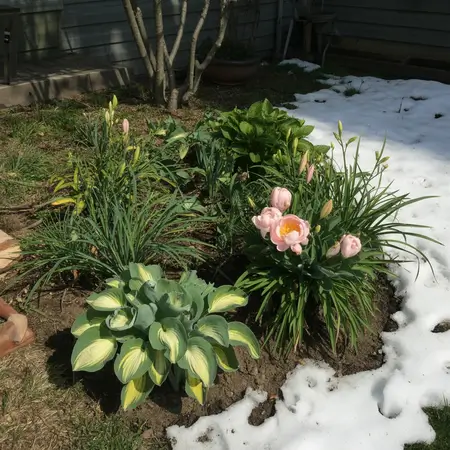
Hardy perennials like hostas, daylilies, and peonies can survive freezing weather. It’s rewarding to see them pop up each spring after months of snow.
They save time and money too. No need to replant every year. In my garden, the same clumps of flowers have been blooming for years, and they always feel like old friends returning home.
11. Compost for Better Soil
Cold soil often needs a boost to stay healthy and rich. Compost adds life, warmth, and nutrients to your garden beds.
You can make your own by mixing kitchen scraps, dry leaves, and grass clippings. It breaks down slowly over time, creating dark, crumbly soil that plants love.
I keep a small compost bin behind my shed, and by spring, it’s ready to use. Adding compost each year keeps the soil loose, helps it hold water, and gives your plants the best start possible.
12. Keep Trying and Learning
Zone 3 gardening takes patience. Some seasons will be harder than others, and some plants just won’t make it. That’s okay, it’s all part of learning. Try new seeds, test new spots, and don’t give up.
I’ve had years where frost ruined my tomatoes, but my carrots turned out amazing. Every mistake teaches something new.
The more you experiment, the better you understand what works in your garden. Gardening in Zone 3 isn’t easy, but that’s what makes every success feel so rewarding.
Final Thoughts
Zone 3 gardening may sound hard, but it’s full of quiet rewards. It teaches you to plan, to care, and to celebrate small victories like the first sprout, the first bloom, the first taste of fresh food. The season is short, but every moment matters.
When you grow a garden in Zone 3, you learn patience and strength. You work with nature instead of fighting it. The cold may test you, but it also makes every bit of growth feel more special. Keep planting, keep learning, and your garden will keep surprising you.