
Zero-Waste Gardening: 15 Simple Ways to Grow Without Throwing Away
Gardening is fun, but it can also create a lot of waste if we’re not careful. Think about plastic pots, food scraps, old tools, and even water that gets tossed away.
Zero-waste gardening is all about using what you already have and making the most of it. Instead of throwing things out, you find simple ways to reuse, recycle, and return them to the garden. It’s not hard, and anyone can start, no matter how small their space is.
This guide shares easy, no-nonsense ideas to grow your garden without tossing things in the trash. These tips are simple enough for beginners and useful for anyone who wants to garden in a way that helps the planet.
1. Compost Your Kitchen Scraps
Instead of throwing food scraps into the trash, turn them into compost. Things like fruit peels, veggie scraps, coffee grounds, and even eggshells can break down into rich soil for your garden.
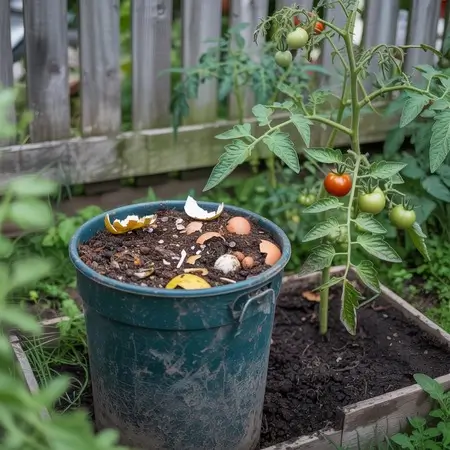
Composting is an easy way to cut down waste while giving your plants the nutrients they need to grow strong. You don’t need fancy bins. Just a simple pile or bucket works.
Over time, you’ll see your scraps turn into dark, crumbly soil that makes your garden thrive. It’s a cycle that saves waste and feeds your plants.
2. Collect Rainwater for the Garden
Why let clean rainwater go to waste? Set out buckets, barrels, or any container to catch rainwater for your plants. It’s free, natural, and helps reduce your water bill.
Even a small bucket can collect enough to water your herbs or potted plants. Just make sure to cover your container with a lid or mesh to keep bugs out.
Using rainwater not only cuts down waste but also gives your plants a gentle, chemical-free drink they’ll love. It’s one of the simplest zero-waste gardening tricks you can start today.
3. Reuse Old Containers as Planters
Don’t rush to buy new pots, look around your home first. Old buckets, tin cans, baskets, and even broken kitchen bowls can make great planters.
Drill a few holes at the bottom for drainage, add soil, and you’re ready to grow. Reusing containers keeps plastic pots out of the trash and gives new life to items you already own.
It also adds charm to your garden with unique shapes and sizes. Whether you grow herbs, flowers, or veggies, reusing containers is a fun and waste-free way to garden.
4. Make Natural Fertilizers at Home
Skip the chemical fertilizers and make your own using things you’d usually toss out. Crushed eggshells add calcium to the soil, banana peels give potassium, and coffee grounds provide nitrogen.
You can even make “compost tea” by soaking food scraps in water for a few days. Your plants get healthy food, and you keep waste out of the trash.
Natural fertilizers are safe, cheap, and better for the planet. With a little creativity, your kitchen leftovers can become powerful boosters for your garden.
5. Save Seeds From Your Plants
Why buy new seeds every year when your plants already make them for free? Tomatoes, peppers, cucumbers, and even flowers give seeds you can collect, dry, and store.

Keep them in small paper envelopes or jars until the next planting season. Seed saving not only cuts waste but also keeps your garden growing with plants you already know and love.
It’s a simple, old-fashioned practice that connects you to your garden in a deeper way. Plus, you’ll save money while reducing packaging waste.
6. Grow From Food Scraps
Many veggies can regrow from the parts we usually throw away. For example, place the base of celery, lettuce, or green onions in a shallow dish of water and watch them sprout again.
Once they grow roots, transfer them to soil for a full second harvest. Potatoes, garlic, and ginger also regrow easily from scraps.
This zero-waste method not only saves money but also keeps food out of the trash. It’s like getting free groceries right from your kitchen leftovers.
7. Use Grass Clippings and Leaves as Mulch
Don’t bag up your lawn clippings or fallen leaves—use them in your garden instead. Spread them around your plants as mulch.
Mulch helps the soil hold moisture, keeps weeds down, and slowly breaks down to add nutrients back into the dirt. This means less watering, fewer weeds, and healthier soil.
It’s an easy, no-cost way to recycle what your yard already gives you. Plus, it keeps plastic mulch bags and yard waste out of landfills. Nature provides all you need if you look closely.
8. Repair and Reuse Old Garden Tools
Before buying new tools, see if your old ones can be fixed. A rusty spade can be cleaned, a loose handle can be tightened, and dull blades can be sharpened.
With a little care, most tools can last for many years. Reusing tools cuts down on waste, saves money, and keeps extra items out of landfills.
Plus, older tools are often stronger and better made than new ones. Taking care of your tools makes your gardening zero-waste and more rewarding in the long run.
9. Swap Plants and Cuttings With Neighbors
Instead of buying new plants, try swapping cuttings, seeds, or extra seedlings with friends and neighbors. This way, you share resources, reduce packaging waste, and add variety to your garden without spending a dime.
Swapping also builds community and connects you with other gardeners. You might discover new plants you’ve never grown before, all while keeping waste out of the cycle.
It’s a fun, social, and zero-waste way to expand your garden. Think of it like trading treasures for your backyard.
10. Turn Cardboard Into Weed Barriers
Cardboard boxes are often tossed out, but in the garden, they’re gold. Lay flattened cardboard sheets on your soil to block weeds. Over time, the cardboard breaks down naturally, adding organic matter to the ground.
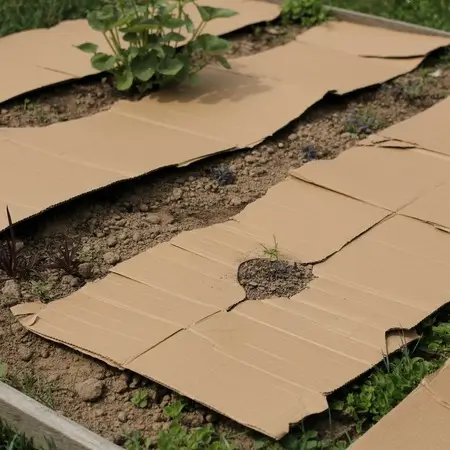
This trick saves money on store-bought weed cloth and keeps boxes out of the trash. Just make sure to remove any tape or stickers before using.
Cardboard weed barriers are simple, free, and effective. They let your plants grow strong without competing with weeds, all while keeping your garden waste-free.
11. Build Raised Beds From Reclaimed Wood
Instead of buying new lumber, use reclaimed wood to build raised garden beds. Old pallets, fencing, or scraps from other projects work well.
Just check that the wood is untreated to keep your soil safe. Building with reclaimed materials reduces waste, saves money, and gives your garden a rustic, unique look.
Raised beds also make gardening easier by keeping weeds down and soil contained. This zero-waste method turns what might have been trash into a beautiful and useful part of your garden.
12. Use Coffee Grounds and Eggshells in Soil
Don’t toss coffee grounds or eggshells. They’re powerful for the garden. Coffee grounds improve soil texture and add nitrogen, while crushed eggshells boost calcium levels.
Both are free, natural, and safe for plants. Sprinkle them directly into the soil, add them to compost, or make a liquid “tea” to water your plants.
This easy trick cuts down kitchen waste while feeding your garden with nutrients. Instead of throwing food scraps away, you’re giving your soil a health boost for free.
13. Grow Perennial Plants for Less Waste
Annual plants need replanting every year, which often means more pots, packaging, and waste. Perennials, like strawberries, herbs, or berry bushes, grow back year after year.
Once planted, they keep producing without needing to buy or plant again. This reduces waste, saves time, and keeps your garden full.
Perennials are also tough and often easier to care for than annuals. By choosing perennials, you set up a garden that gives back season after season with less effort and less waste.
14. Avoid Plastic Pots – Try Biodegradable Ones
Plastic pots pile up fast and often end up in the trash. Instead, look for biodegradable options like pots made from coconut fiber, peat, or even paper.
You can plant them directly in the soil, and they’ll break down naturally. Another option is making your own seed starters from newspaper rolls or cardboard egg cartons.
These eco-friendly alternatives reduce plastic waste and help roots grow without being disturbed. It’s an easy swap that keeps your gardening waste-free and kind to the planet.
15. Repurpose Household Items for Garden Use
Look around your home before buying anything new. An old ladder can become a plant stand, broken dishes can edge a garden bed, and glass jars can protect young seedlings.
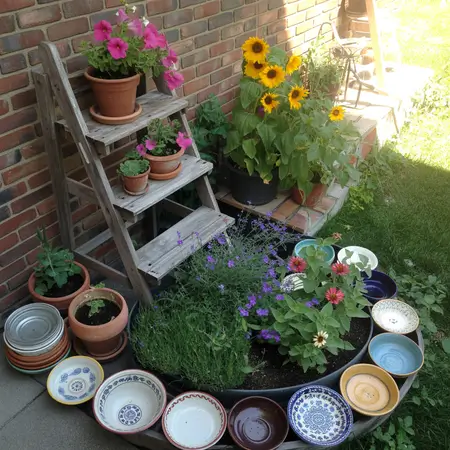
Repurposing saves items from the landfill and gives your garden a unique, creative touch. Almost anything can find a second life outdoors if you think outside the box.
This zero-waste approach makes gardening affordable and sustainable while adding personality to your space. Waste less, grow more that’s the simple joy of repurposing.
Final Thoughts
Zero-waste gardening isn’t about being perfect. It’s about making small choices that add up. Every time you reuse a container, save seeds, or compost scraps, you cut down on waste and give back to the earth.
These ideas aren’t hard or expensive, and they work in gardens big or small. The best part? You’ll see your plants thrive while knowing you’re making a difference.
Start with one or two zero-waste habits and build from there. Soon, growing without throwing away will feel natural, simple, and rewarding.