
15 Must-Have Plants for a Witch’s Backyard Garden
If you’ve ever dreamed of a backyard that feels a little magical, this list is for you. A witch’s garden isn’t just about beauty. It’s about energy, history, and connection.
Every plant tells a story, from ancient spells to whispered folklore. These plants have been used for centuries in rituals, healing, and protection. Some attract good energy, some calm the spirit, and others keep away what doesn’t belong.
Whether you’re a practicing witch or just love the mystery of old garden lore, these are the must-have plants that bring that touch of magic to your backyard.
1. Rosemary
Rosemary has long been known as the herb of memory and protection. Witches once burned it to clear away bad energy and bless their homes.
Its sharp, pine-like scent feels both strong and comforting, filling the air with focus and calm. Plant rosemary near your garden gate or doorway to guard your space.
When the leaves dry, use them in spell sachets or teas for clarity. Every time you brush against it, it seems to whisper old secrets of strength and healing.
2. Lavender
Lavender is soft, soothing, and full of peace. Its purple flowers are more than just pretty. They’ve been used in witchcraft for centuries to calm minds and open hearts.
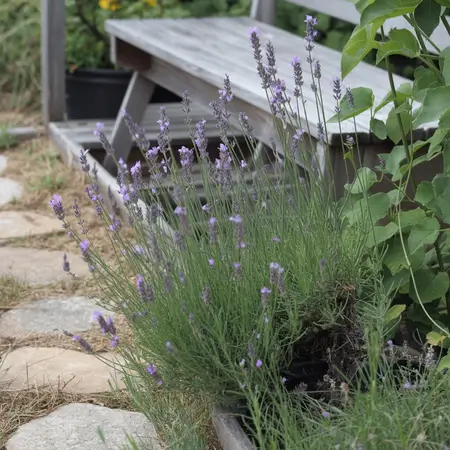
Witches once tucked it under pillows for sweet dreams and burned it to cleanse their homes. It’s said to attract gentle energy and ease restless thoughts.
Grow lavender where you like to sit or rest. The scent alone feels like a small spell, washing the space with comfort and calm magic.
3. Sage
Sage is one of the most sacred herbs in witchcraft. It’s known for its power to purify and protect. Witches have burned it for centuries to sweep away negativity and refresh energy in a space.
The smoke is said to carry away what’s heavy and bring in light. Growing sage in your garden connects you to an old rhythm of renewal.
Whether you use it in cooking, drying, or spiritual practice, sage feels like an anchor grounding, cleansing, and full of ancient calm.
4. Mugwort
Mugwort has always been tied to dreams and intuition. Witches once used it to help see visions and understand messages from their dreams.
Its silvery leaves seem to glow at night, making it a beautiful and mysterious garden plant. Mugwort tea was believed to awaken inner sight and connect people to the moon’s energy.
Place it near your resting spot or in your moon garden for its quiet magic. It’s the kind of herb that doesn’t shout. It whispers, softly guiding your spirit.
5. Thyme
Thyme may be small, but it’s full of courage and protection. In old times, witches used it to bring strength during hard days and to guard the home. Its fresh, earthy scent lifts the mood and clears the mind.
You can grow it in borders, pots, or even cracks between stones. It thrives with little care.
Walking through a patch of thyme is said to bless your steps and keep your path safe. It’s a humble plant, yet one with quiet power in every tiny leaf.
6. Mint
Mint is lively, refreshing, and full of good energy. Folklore says mint planted near doorways keeps away bad luck and invites wealth and happy guests.
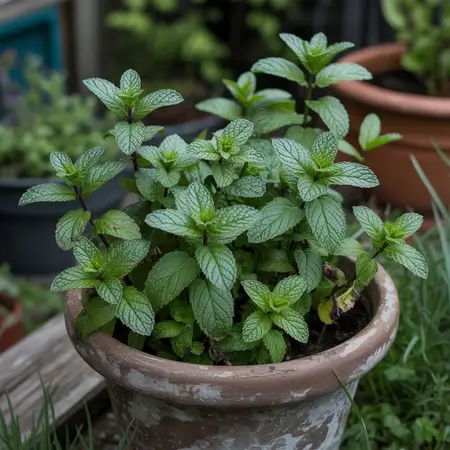
Witches often used it for healing and protection spells. It spreads fast, almost as if it wants to fill your whole garden with bright, clean air.
Every time you brush past it, the scent wakes your senses and clears your thoughts. Mint is the spirit of freshness and flow perfect for keeping energy moving in a witch’s garden.
7. Basil
Basil is a symbol of love, prosperity, and protection. In old folklore, witches used it to attract good fortune and guard the home from envy. The smell is warm and welcoming, like summer in leaf form.
Basil loves sun and grows quickly with a little care. Use it in kitchen magic. Add a leaf to sauces or teas while thinking kind thoughts.
Each time you touch basil, it seems to hum with gentle energy, reminding you that love and abundance can grow from small, simple things.
8. Foxglove
Tall and mysterious, foxglove stands like a guardian in the garden. Its bell-shaped flowers have long been linked to fairies and forest spirits.
Folklore says the blooms were worn by the fae, and picking them carelessly could bring bad luck. Witches respected foxglove as a plant of warning and wonder beautiful but poisonous.
Plant it near shaded corners or among ferns, where it can shimmer softly in dappled light. Foxglove teaches one of witchcraft’s oldest lessons: beauty often hides deep, untamed power.
9. Nightshade (Belladonna)
Nightshade is one of the most famous plants in witchcraft lore dark, powerful, and mysterious. Known as belladonna, it was used by witches in old potions for visions and trance work.
Though poisonous, its meaning runs deep: transformation, shadow, and the balance between danger and beauty. The plant’s purple-black berries and soft leaves look hauntingly beautiful under moonlight.
In a modern witch’s garden, nightshade reminds us that magic isn’t always gentle. Sometimes it asks respect, caution, and deep understanding of nature’s power.
10. Chamomile
Chamomile is gentle magic in bloom. Witches once used it for peace, luck, and to wash away bad energy. Its sunny, daisy-like flowers bring warmth wherever they grow.
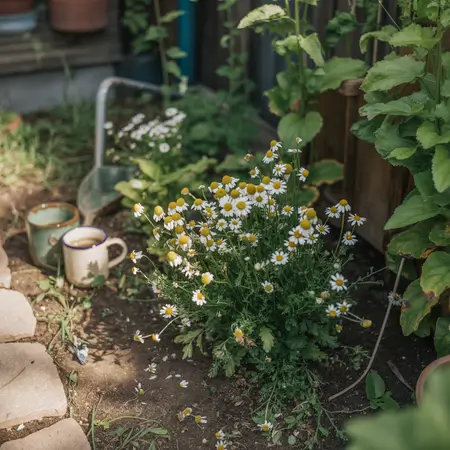
A cup of chamomile tea is said to calm anger and invite sweet dreams. In spells, it’s known for drawing in money and blessing new beginnings.
Grow it in bright spots and let it self-seed. It will return every year like an old friend. Chamomile’s energy is soft but steady, like sunlight on calm water.
11. Yarrow
Yarrow has strong healing roots and a long history in witchcraft. Its feathery leaves were used to stop bleeding and strengthen courage.
Witches often carried it in charms for love and protection. Folklore says hanging yarrow over a door keeps away harm and invites peace into the home.
The plant blooms in clusters of white or yellow, bright and hopeful. In a witch’s garden, yarrow bridges the worlds of body and spirit, steady, protective, and always ready to heal.
12. Vervain
Vervain is one of the oldest sacred herbs in magical traditions. It was used for cleansing, blessings, and connecting with higher power. Witches valued it for its strength in both love and protection spells.
In folklore, vervain could break curses or seal powerful charms. Its delicate flowers hide deep roots of energy and purpose.
Plant vervain in sunny corners of your garden. It thrives quietly but radiates pure magic. Every leaf seems to hum with balance, making it a trusted ally for any witch.
13. Wormwood
With gray-green leaves and a bitter scent, wormwood is the herb of spirits and dreams. Witches once burned it for protection or to open paths between worlds.
It was used in potions and charms to drive away negativity. Under moonlight, its silvery leaves seem to glow faintly, adding mystery to your garden.
Though it carries a sharp edge, wormwood also teaches wisdom, how to face shadows without fear. A small patch near your garden’s edge invites strength, clarity, and deeper insight
14. Rue
Rue has been called the “herb of grace” for centuries. Witches planted it by gates and doors to protect against curses and bad spirits. Its strong scent and bitter taste were said to give it power over dark forces.
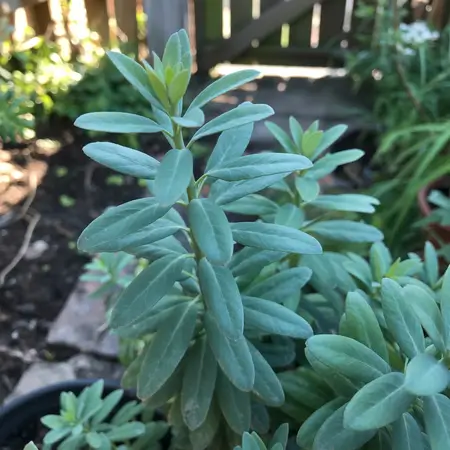
In old rituals, it was used for cleansing and courage. Rue is a tough little plant that thrives in sun and poor soil, a true survivor.
Its blue-green leaves add calm color to the garden, a quiet reminder that true magic is brave, simple, and steady.
15. Mandrake
Mandrake is the crown jewel of witchcraft plants. Its human-shaped roots have filled legends for ages, said to scream when pulled from the ground. Witches prized it for spells of transformation, protection, and power.
Growing mandrake takes patience, but even one plant brings deep symbolism. It represents rebirth and the mysterious link between nature and magic.
In a witch’s garden, mandrake isn’t just a plant. It’s a legend living in soil, reminding us that the old ways still breathe through the roots of the earth.
Final Thoughts
A witch’s garden isn’t just a collection of plants, it’s a living story. Each leaf, root, and flower carries the memory of ancient magic and the touch of nature’s spirit.
Start small, plant what calls to you, and watch your garden shift with energy and meaning. Magic doesn’t always need spells or wands. Sometimes, it’s just a plant growing under the moonlight, sharing its quiet power with you.