
Winter Vegetables Gardening: Easy Crops That Thrive in the Cold
When the cold rolls in, many people pack up their garden tools and wait for spring. But winter doesn’t mean the end of fresh food. In fact, some vegetables grow best in cool weather. The crisp air and shorter days can actually make certain crops sweeter and stronger.
If you live in the U.S., Canada, or nearby countries, you don’t have to stop gardening when the frost shows up. With the right vegetables, winter can be one of the easiest seasons to grow your own food.
Let’s look at the vegetables that thrive in winter and how you can keep your garden going even when the temperature drops.
1. Spinach
Spinach is one of the most reliable winter greens. It loves cool weather and doesn’t mind frost. In fact, a touch of frost makes the leaves taste sweeter.
You can plant spinach in late summer or early fall. It grows quickly, so you’ll have baby leaves ready in just a few weeks. Harvest them small for salads, or let them grow bigger for cooking.
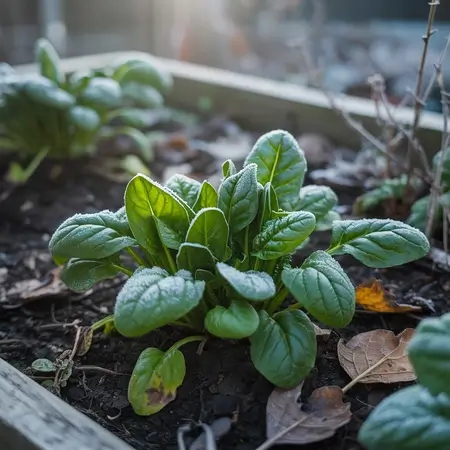
Keep the soil slightly moist, and give the plants some protection if you live in a very cold area. A row cover or cold frame can keep the leaves tender and extend your harvest into deep winter.
Spinach also regrows after cutting, which means you can keep picking leaves over and over.
2. Kale
Kale is a true winter champion. It’s one of the hardiest greens you can grow. Snow, frost, and freezing nights don’t stop it. In fact, frost makes kale taste better.
The cold softens the flavor and makes the leaves sweeter. Plant kale in late summer so it has time to grow before winter.
Harvest the outside leaves and let the plant keep growing from the center. This way, you’ll have a steady supply of fresh greens.
Curly kale, lacinato kale, and red kale all do well in cool weather. If you give kale a little protection, it can last all the way to spring. It’s a great crop if you want low-maintenance winter food.
3. Carrots
Carrots are perfect for the cold season. They grow slowly in cool soil, and the chill makes them extra sweet. Many gardeners leave carrots in the ground and harvest them as needed.
A layer of straw or mulch will protect them from hard freezes. Plant carrots in late summer or early fall. The roots will grow through the cool months and be ready to pull when you want them.
Smaller carrots are tender and crisp, while larger ones are perfect for roasting. Winter carrots taste much better than store-bought ones, especially when dug fresh from the soil.
4. Beets
Beets are a double crop. You get tasty roots and nutritious greens. They grow well in cool weather and can handle frost without trouble.
Plant them in late summer, and they’ll be ready for harvest in fall and early winter. If your soil doesn’t freeze too hard, you can leave the roots in the ground and pull them when needed.
The roots taste sweet and earthy, while the leafy tops can be cooked like spinach or kale. Harvest beets when they are the size of a golf ball to a tennis ball. If they get too large, they can turn woody, so it’s best to pick them on time.
5. Garlic
Garlic is one of the easiest winter crops. Plant it in late fall, and it will rest underground during the cold months. When spring comes, garlic shoots pop up and grow into strong plants. By early summer, you’ll have full bulbs ready to harvest.
To plant garlic, break apart a bulb and place each clove in the soil with the pointy end up. Space them a few inches apart.
Cover the bed with mulch to protect the cloves from deep freezes. Garlic doesn’t need much care over winter, and the reward is big, flavorful bulbs that last for months.
6. Onions
Onions can be planted in fall and grown slowly through the winter. They don’t mind the cold as long as they are protected with mulch. In spring, they take off and grow into full bulbs.
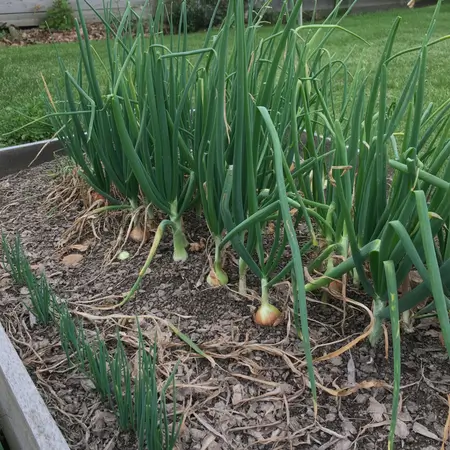
Some gardeners grow “green onions” or scallions through winter, trimming the tops for fresh flavor in soups and stews.
Plant onion sets or small bulbs in well-drained soil. Space them a few inches apart, and keep the soil loose so the bulbs can expand. Onions are a patient crop, but having fresh homegrown onions in spring makes the wait worth it.
7. Cabbage
Cabbage is a hardy vegetable that loves cool weather. It forms tight, heavy heads that can hold up well through frost. Plant cabbage in late summer for a fall and winter harvest. The heads keep best when harvested firm and full.
Cabbage is also easy to store. Once harvested, keep it in a cool, dry place, and it will last for weeks.
In cold climates, protect the plants with a row cover or mulch to help them through extra chilly nights. Cabbage is a reliable winter crop and can be cooked in many hearty dishes.
8. Brussels Sprouts
Brussels sprouts are another crop that gets better with frost. The small sprouts along the stalk taste sweeter after a few cold nights.
They take longer to grow, so it’s best to plant them in late summer. By fall and winter, the stalks will be covered with sprouts ready to harvest.
Pick the sprouts from the bottom of the stalk upward as they mature. They can be roasted, sautéed, or steamed. Brussels sprouts are tough enough to stay in the garden through cold weather, giving you fresh food well into winter.
9. Swiss Chard
Swiss chard adds both color and flavor to winter gardens. With bright red, yellow, or white stems, it’s as pretty as it is useful.
Chard grows well in cool weather and keeps producing even after frost. You can harvest the outside leaves and let the center keep growing, which means you’ll get repeated harvests from the same plant.
Chard works well in soups, sautés, and salads. It’s hardy and low-maintenance, making it a favorite for many gardeners.
10. Turnips
Turnips grow quickly and give you two crops in one: roots and greens. Plant them in late summer, and they’ll be ready in about two months. The roots can handle frost, and the greens taste fresh and spicy.
Harvest turnips when the roots are small to medium for the best flavor. Larger roots can become tough. Use the greens cooked like spinach, kale, or mustard greens. Turnips are a versatile winter vegetable that works well in many dishes.
11. Radishes
Radishes are one of the fastest crops you can grow. Some types are ready in just three to four weeks. They thrive in cool soil and can handle light frost.
Plant them in the fall, and you’ll have crisp, peppery roots before winter settles in. You can also plant radishes in small batches every couple of weeks for a steady supply.
They’re a great choice if you want quick results from your garden. Winter radishes are crunchy, colorful, and fun to grow.
12. Leeks
Leeks are tall, hardy plants that love cold weather. They take time to grow, so it’s best to plant them in summer for a fall and winter harvest.
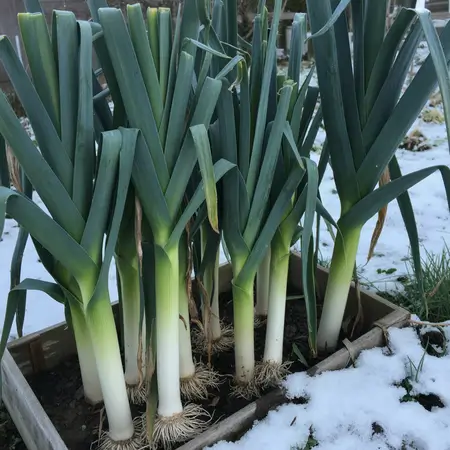
Leeks can survive snow and frost without trouble. Their mild onion flavor is perfect for soups, stews, and winter meals. To harvest, pull them from the soil as needed.
Leeks store well in the ground, so you don’t need to pick them all at once. They are one of the best crops for keeping fresh flavor in your winter kitchen.
13. Broccoli
Broccoli is a cool-weather favorite. It grows best in fall and early winter. Plant in late summer, and you’ll get large heads ready before deep freezes.
After you cut the main head, the plant will often grow smaller side shoots that you can keep harvesting.
Broccoli does better if it’s protected from sudden temperature swings. A simple row cover can keep it healthy. Fresh broccoli is sweeter and crunchier than store-bought, making it worth the effort.
14. Cauliflower
Cauliflower grows best in steady cool weather. It can be tricky if the temperature changes too quickly, but it’s worth growing for its large, firm heads. Plant in late summer for fall-to-winter harvests.
To keep the heads white and tender, some gardeners fold the leaves over the heads as they grow. Harvest when the heads are tight and full-sized. Cauliflower is delicious roasted, mashed, or used in soups.
15. Mustard Greens
Mustard greens are fast and hardy. They grow quickly in cool weather and are ready to harvest in just a few weeks. The leaves have a peppery flavor that adds spice to salads and cooked dishes.
They handle frost well, and the flavor becomes milder when cooked. You can keep harvesting the outer leaves while the plant grows more in the center. Mustard greens are an easy way to add fresh greens to your winter table.
Final Thoughts
Winter doesn’t have to end your gardening season. Many vegetables grow stronger, sweeter, and tastier in the cold. With crops like kale, spinach, carrots, and garlic, your garden can keep producing long after summer ends.
Start with a few of these hardy vegetables and see which ones thrive in your climate. With each season, you’ll gain confidence and enjoy fresh food straight from your garden all winter long.