
Step-by-Step Guide to Growing Sweet Carrots in Any Garden
Sweet carrots are a garden favorite, and they make a snack that kids and adults grab fast. If you want to grow your own this season, this guide will help you start strong. Below, you’ll find the simple steps I use to grow carrots that come out bright, crisp, and full of flavor.
Carrots don’t ask for much, but they do like a bit of care at the right time. Follow these steps, and you’ll enjoy fresh, sweet roots straight from your garden all season long. Here’s how to get started!
1. Pick the Right Spot
Carrots grow best in a sunny spot that gets at least six hours of light each day. I usually choose a corner of the garden that stays bright all morning. Even a small patch can work, as long as the light is steady.
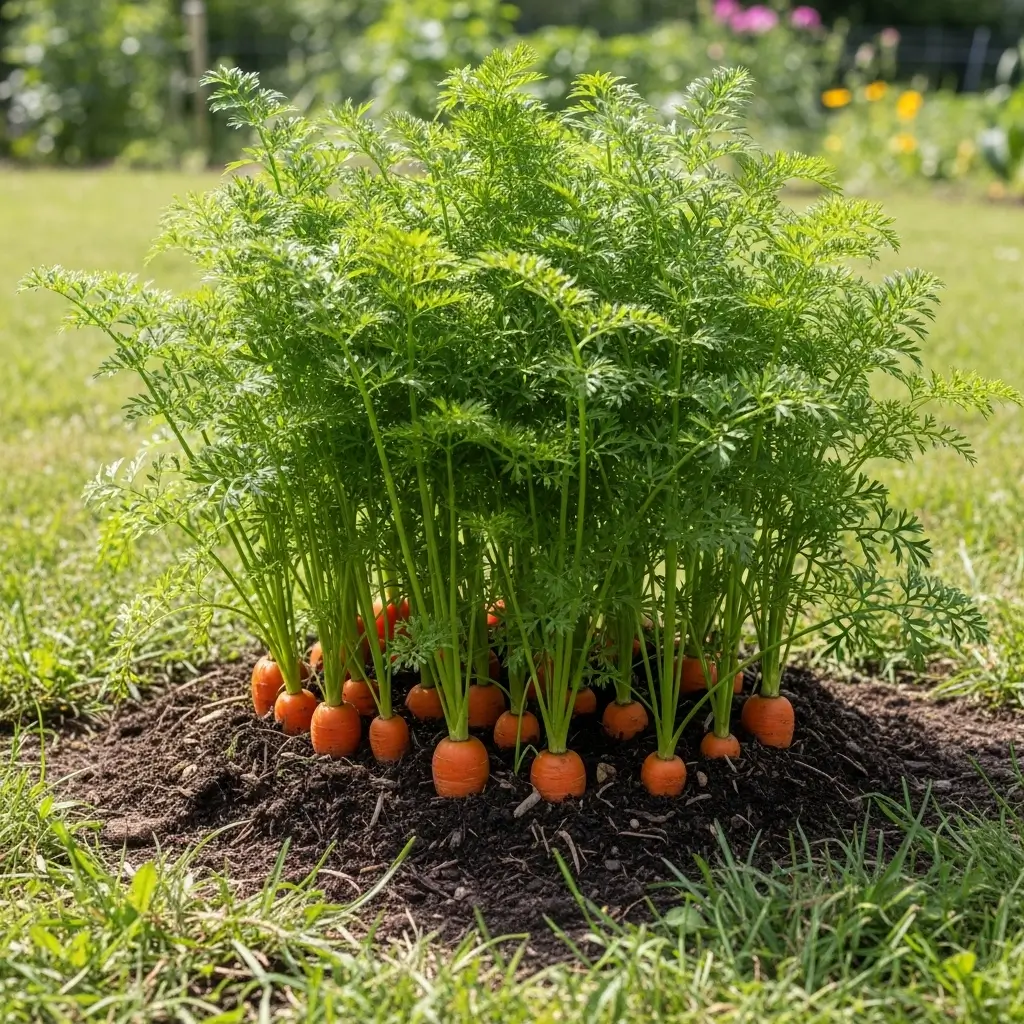
Sun helps the roots develop their sweet flavor and bright color. If the spot is shaded or crowded, carrots may grow slowly or taste bland.
A sunny, open area gives them space to thrive. Even a single sunny bed or container can produce carrots that are crisp, sweet, and full of life.
2. Prepare Loose, Deep Soil
Carrots need soft, loose soil to grow straight and long. I dig down at least 10–12 inches and remove rocks, sticks, or clumps. Hard or compacted soil can make carrots short, twisted, or forked.
If you’re planting in a raised bed or container, fill it with fluffy, light soil. Loose soil gives the roots room to stretch and keeps them tender.
I always mix in a handful of compost to help the soil stay rich and soft. The more open and loose the soil, the healthier and sweeter the carrots will be when you pull them up.
3. Plant Fresh Seeds, Not Starts
Carrots don’t like being moved, so plant seeds directly in the soil. Make shallow lines about half an inch deep and sprinkle the tiny seeds evenly.
They are small, so it’s normal to sprinkle a few extra. Cover lightly with soil and water gently so the seeds don’t wash away. Use fresh seeds for a better sprout rate, because old seeds can be slow or fail to grow.
Planting directly in the garden gives the roots room to develop naturally, making them sweet, crisp, and ready to enjoy after a little patience.
4. Keep the Soil Evenly Moist
Carrot seeds need gentle, steady moisture to sprout. I keep the soil damp like a wrung-out sponge, not soggy. A fine spray works well so the tiny seeds aren’t washed away.
If the soil dries out, some seeds may stop growing. Once green shoots appear, continue watering evenly. Too little water makes the roots dry and small; too much can make them rot or crack.
Keeping the soil consistent helps carrots grow straight and sweet. Checking the soil daily for moisture is the easiest way to make sure my carrot bed stays happy.
5. Thin the Seedlings
Once sprouts reach about two inches tall, it’s time to thin them. Pull out extra seedlings so each plant has 2–3 inches of space. I know it feels strange to pull healthy plants, but carrots need room to grow straight and strong.
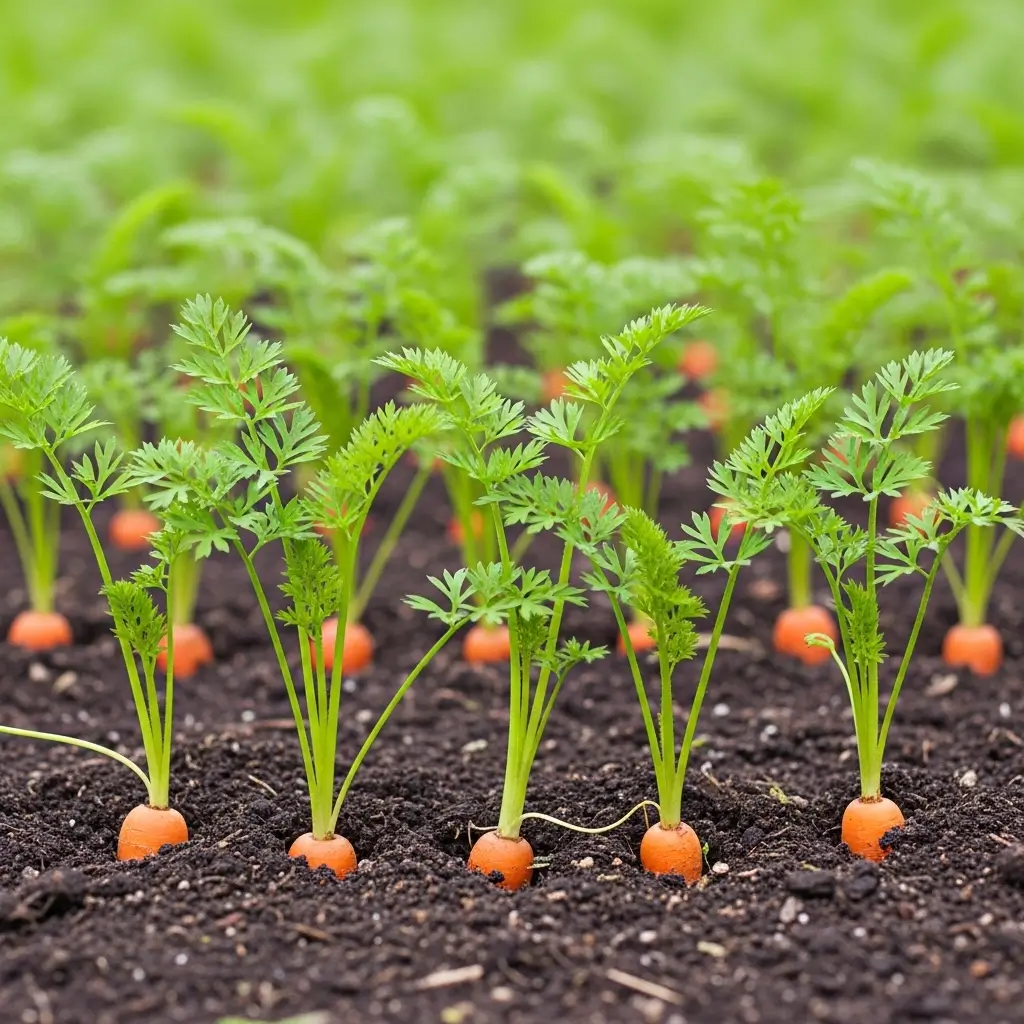
Crowded seedlings often turn out short or twisted. Thinning also gives the soil more airflow, which keeps roots healthy. I usually do this in stages, removing a few at a time.
Giving carrots space is one of the most important steps, and it really pays off with longer, sweeter, and more beautiful roots.
6. Mulch to Keep the Soil Cool
A thin layer of mulch helps carrots grow tender and sweet. I use straw, dry leaves, or grass clippings over the soil to keep it cool and moist. Mulch slows weeds, so the carrots don’t have to compete for water or nutrients.
It also keeps the soil from drying out too quickly on hot days. I spread it gently so seedlings can still peek through.
Mulching is a small step that makes a big difference. Carrots grow evenly, stay straight, and taste sweeter when the soil stays steady and protected throughout the season.
7. Feed Lightly, Not Heavy
Carrots don’t need a lot of fertilizer. Too much can make roots split or grow oddly. I mix compost into the soil before planting and sometimes add a light boost halfway through the season if needed.
Slow, steady growth makes the roots sweet and firm. Heavy feeding can make them grow fast but taste bland or crack. Try gentle care over extra fertilizer.
A little compost and good soil is usually all carrots need. The focus is on steady growth, healthy roots, and strong flavor. Light feeding keeps the plants happy and the carrots tasty.
8. Keep Weeds Out
Weeds take water and nutrients from carrots and can make them struggle. I pull weeds carefully by hand so I don’t disturb the delicate roots.
Doing a little weeding each week keeps the garden bed clean and healthy. I find that keeping weeds low also helps carrots grow straight because the soil stays loose and easy to move.
The fewer weeds, the better the carrots look and taste. A clean bed gives roots room to spread and keeps your carrot patch looking neat, productive, and full of vibrant, sweet vegetables.
9. Wait for Full Size Before Harvesting
Carrots need patience. They usually take 60–75 days to grow fully. When the tops peek out of the soil and show a bright orange tip, it’s a good sign they are ready.
Gently pull one to check its size before harvesting the rest. Leaving carrots in the ground until they are fully grown makes them sweeter and crunchier.
Pulling too early gives small or mild-tasting roots. I always wait for the right moment, and the extra patience is worth it when I bite into a perfect, full-sized carrot from my garden.
10. Harvest on a Cool Day for Best Flavor
I like to harvest carrots in the morning or on a cool day. Warm soil can make them a bit dry or soft. Grip the green tops near the soil and pull straight up.
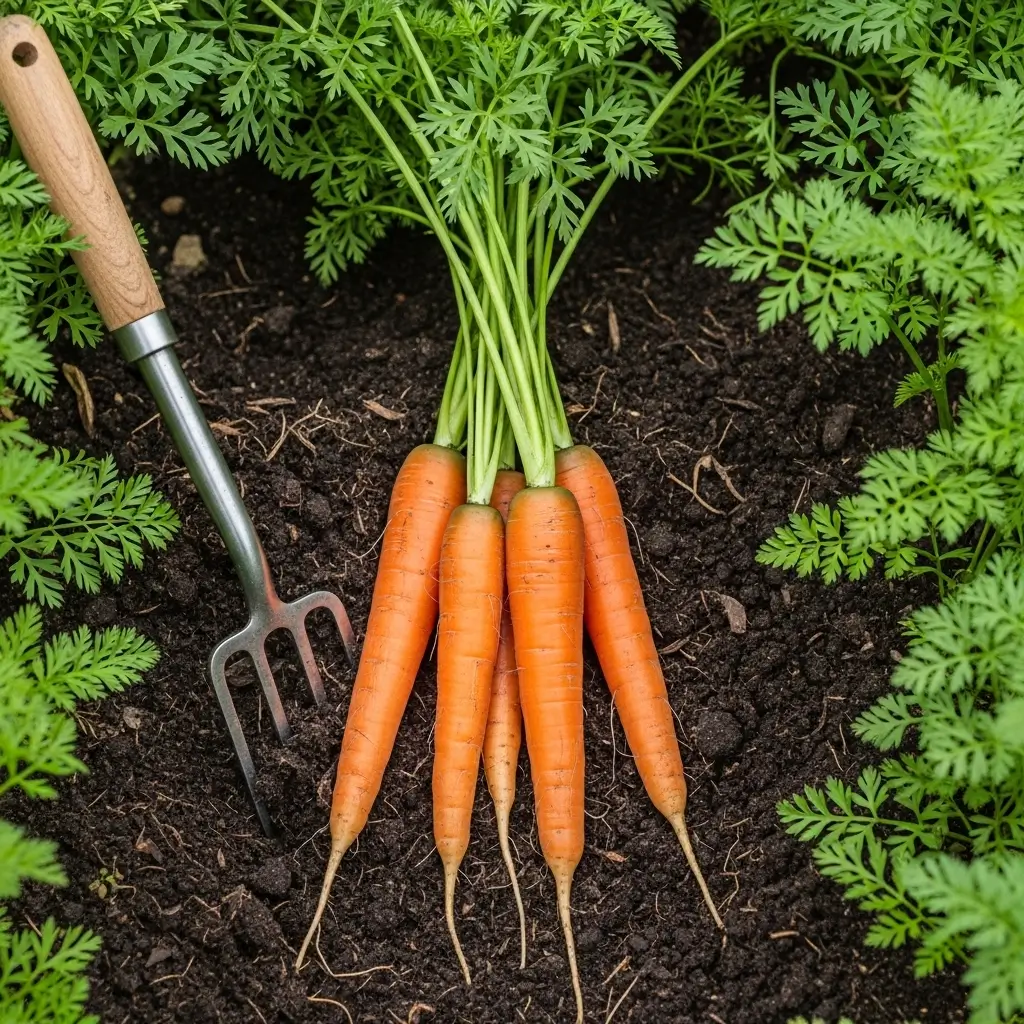
Sometimes I loosen the soil first with a small fork to avoid breaking the roots. Freshly harvested carrots are bright, crisp, and full of flavor.
I usually rinse them gently and enjoy a few right away. Pulling carrots carefully makes sure they stay whole, sweet, and perfect for snacks, cooking, or sharing with family and friends.
11. Rinse, Trim, and Store
After harvesting, trim the green tops close to the root. Leaving them on pulls moisture out of the carrot. Rinse the roots gently and let them dry. Store them in the fridge inside a bag with tiny holes, which keeps them fresh for weeks.
Keep a small bowl of washed carrots ready for snacking. Fresh, homegrown carrots taste sweeter than store-bought and last longer with proper care.
A little attention after harvest makes your hard work pay off in crisp, crunchy, and flavorful roots.
Final Thoughts
Growing sweet carrots is simple, rewarding, and even a little magical. Each step, from planting tiny seeds to pulling full, bright roots, is easy to follow and fun.
With sunlight, loose soil, steady water, and a bit of patience, your garden can produce carrots that taste better than anything from the store.
Every season, I enjoy watching the roots grow under the soil and the joy of tasting fresh, sweet carrots straight from my own garden. Follow these steps, and you’ll have a delicious harvest to enjoy all season long.