
Save Dying Plants at Home Without Stress
I’ve had plants that looked like they were about to give up. Leaves dropped, soil dry, and I thought I had lost them. But many dying plants can bounce back if you act fast.
You don’t need fancy tools or big skills. You just need to look closely, fix the problem, and give the plant what it needs.
This guide will show simple ways to save a dying plant, based on real steps that have worked for me and many others. Let’s bring those plants back to life.
1. Check the Soil First
The soil tells you a lot about why a plant is dying. Touch it with your fingers. If it feels dry like dust, the plant needs water.
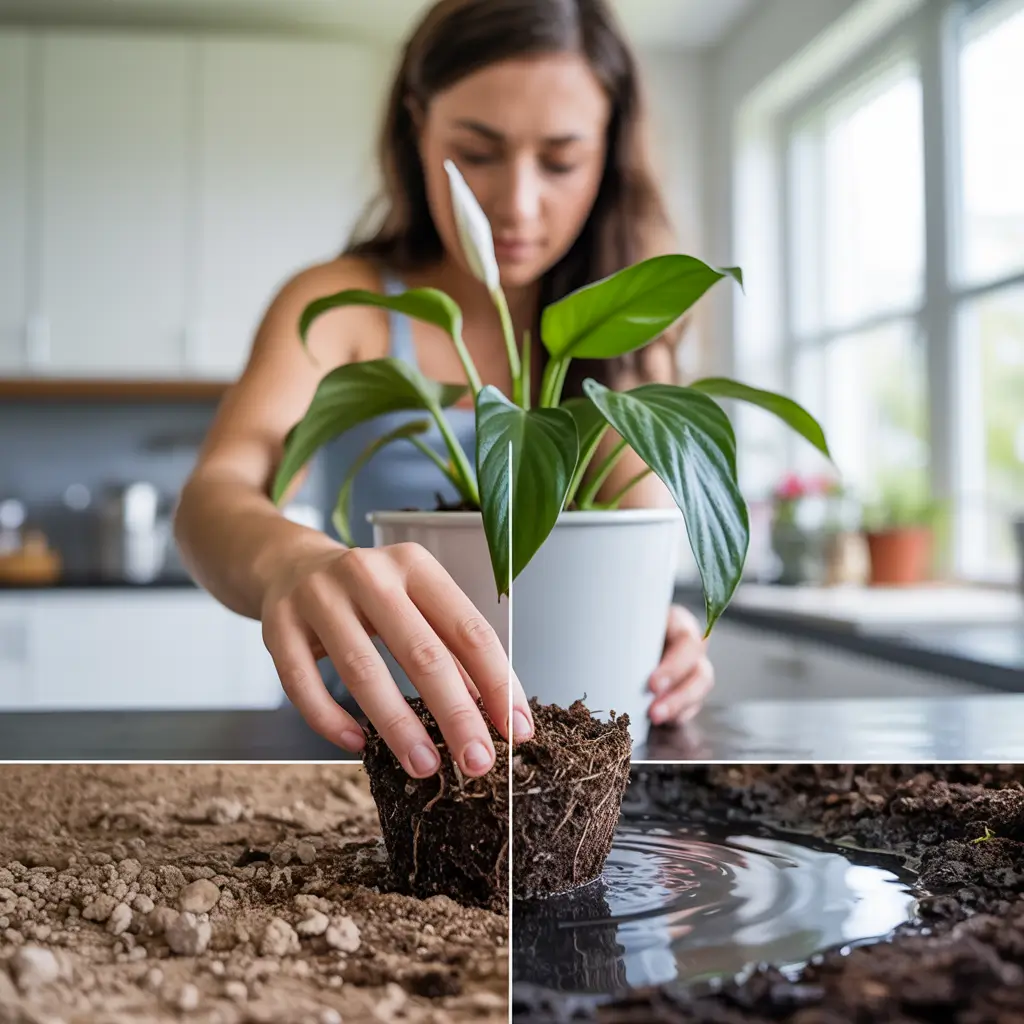
If it feels heavy, wet, and muddy, the plant is getting too much water. The soil is the plant’s home, so checking it first helps you know what to fix.
This step takes only seconds, but it can save a plant before it gets worse.
2. Water the Right Way
Many people hurt their plants without knowing by watering too much or too little. If the soil is dry, water slowly until water runs out the drainage holes.
If the soil is already soaked, stop watering and let it dry. Plants need balance. Giving water at the right time helps roots get oxygen and nutrients again.
It’s simple, but it is one of the biggest steps to saving a dying plant.
3. Cut Off Dead Leaves
Dead leaves take energy from the plant. They turn yellow, brown, soft, or crispy, and they will not grow back. Use clean scissors to cut them off.
This helps the plant send its energy to healthy parts that can still recover. It also makes the plant look fresher and cleaner.
Removing old leaves is a small job that can make a huge difference over time when trying to save a weak plant.
4. Give It More Light
Light is food for plants. Without it, they get weak and start dropping leaves. If your plant looks pale, thin, or stretched toward a window, it likely needs more light.
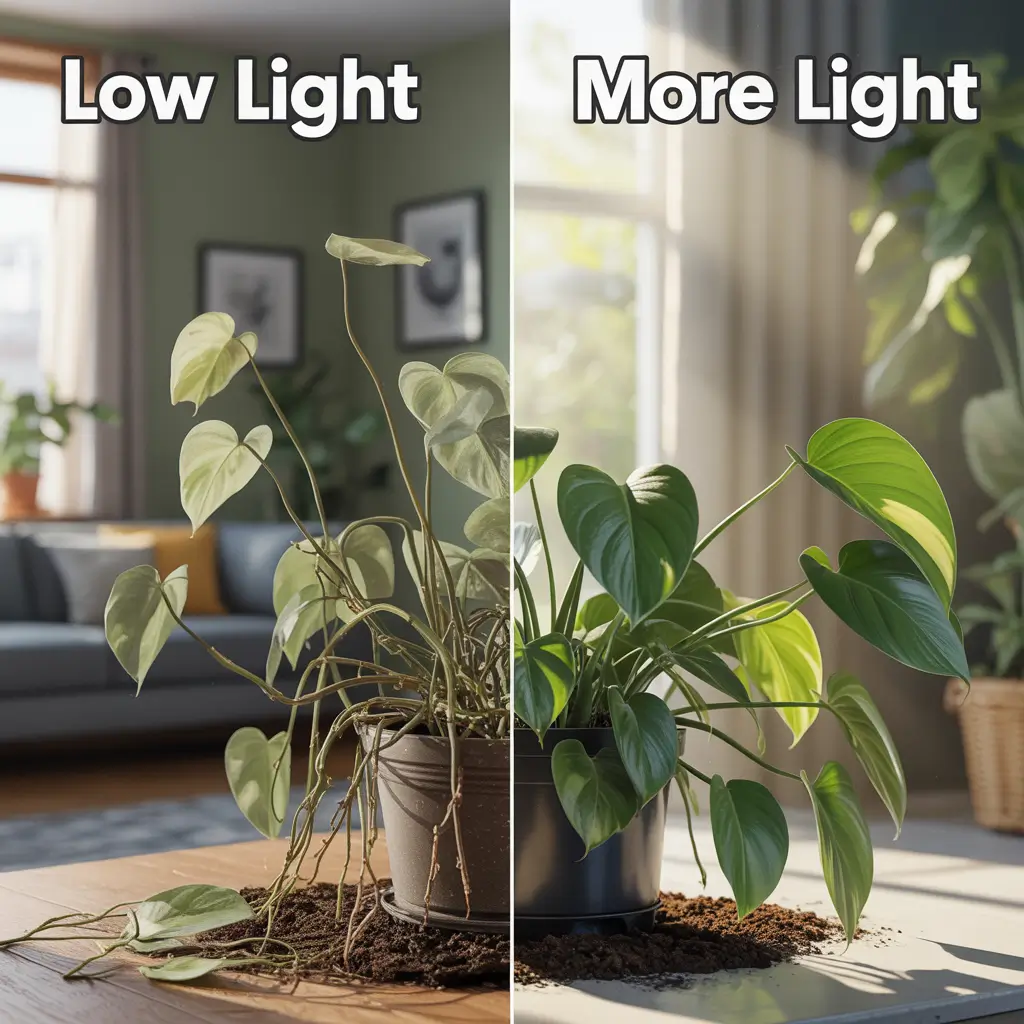
Move it to a brighter spot or closer to a window. Just make sure it is not burning in very strong sun. Better light helps your plant make energy again, which is a key step in recovering from stress or damage.
5. Remove Pests
Bugs like spider mites, aphids, and mealy bugs suck sap and weaken plants fast. Check the underside of leaves and the stem for tiny insects or sticky spots.
If you see pests, gently wash the plant with water or wipe leaves clean. Getting rid of pests early gives the plant a fighting chance to rebuild strength.
Even a small pest problem can harm a plant, so treating it quickly is important.
6. Repot in Fresh Soil
Old soil becomes tight, compact, and low in nutrients. When this happens, roots cannot breathe or grow well. If soil smells bad or looks crumbly and dry, it may be time to repot.
Choose fresh soil and a pot with drainage holes. Gently remove the plant, shake off old soil, and place it in the new pot.
Fresh soil gives roots space, air, and nutrients, helping your plant recover and rebuild new growth.
7. Check the Roots
Healthy roots are firm and white. If you take the plant out of the pot and see black, soft, or mushy roots, they are rotting.
Trim the dead parts with clean scissors and repot the plant in fresh soil. Removing bad roots helps the plant focus on healing stronger roots.
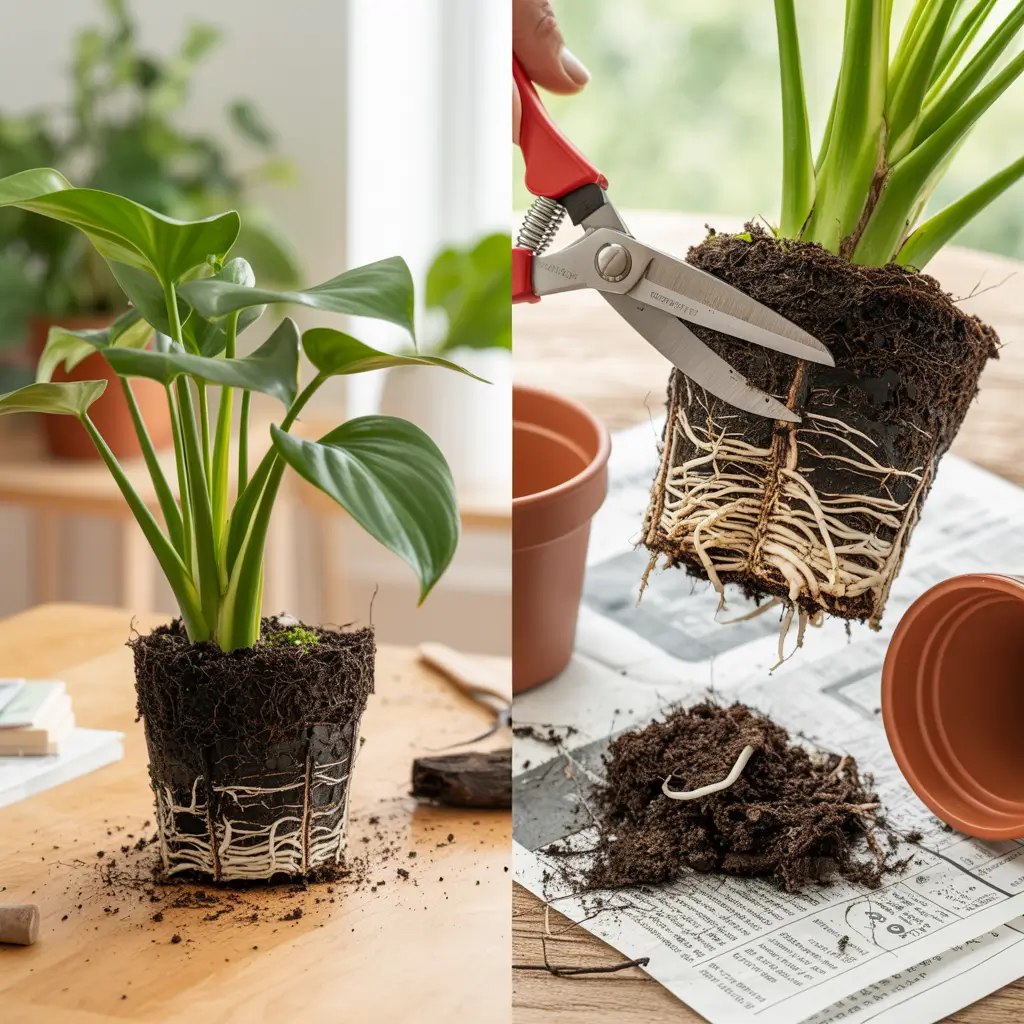
It may look scary, but this step can save a plant that looks hopeless. If the plant still has good roots, it can survive and grow again.
8. Don’t Fertilize a Sick Plant Yet
A weak plant needs rest, not extra food. Fertilizer can be too strong and burn damaged roots. Wait until the plant starts showing signs of new growth before feeding it again.
New leaves or strong stems mean the plant has recovered enough to take in nutrients safely.
Holding back fertilizer may feel strange, but giving the plant time to get back on its feet first helps it recover faster in the long run.
9. Give It Time
Plants don’t recover overnight. Once you fix the problem, you need patience. It may take a few days, weeks, or even months before the plant starts growing again.
Watch for small signs like stronger leaves or new growth. Even small improvements mean your plant is coming back to life.
Saving a dying plant is a slow process, but if you keep giving it what it needs, it can make a full recovery over time.
10. Watch for Small Improvements
When a plant is weak, progress shows in tiny ways. A leaf becomes greener, stems get firmer, or new buds appear. Pay attention to these changes.
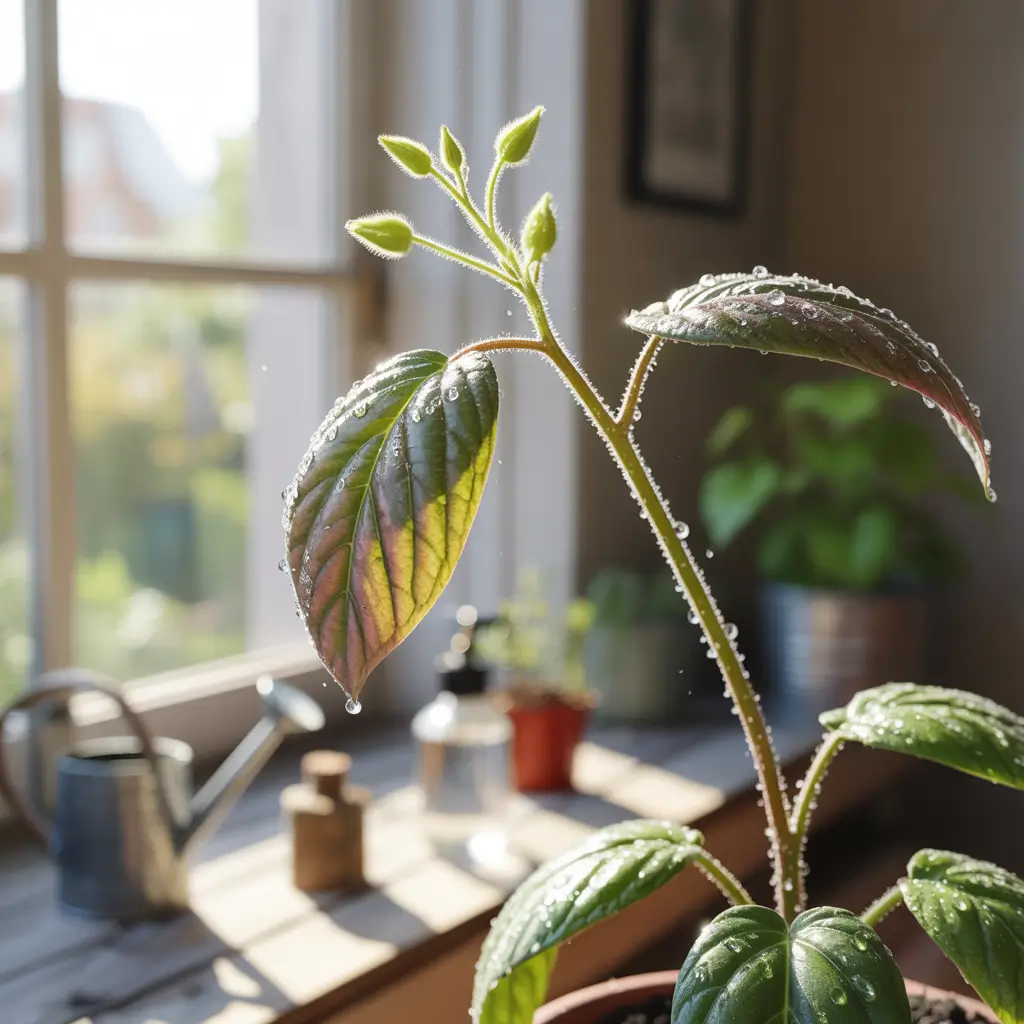
They show the plant is responding to your care. This helps you know you’re on the right track and encourages you to keep going.
Many plants don’t bounce back all at once. They recover little by little. These small signs help you see that your work is paying off.
11. Clean the Leaves
Dust blocks light from getting to the plant’s surface. Without enough light, the plant struggles to make food. Wipe the leaves gently with a damp cloth to remove dust.
This helps the plant breathe and absorb light better. You don’t need fancy cleaners. Just water and a soft cloth work.
Cleaning leaves is quick but brings real results, especially in indoor plants that get dusty over time. It can give the plant a noticeable boost.
12. Check the Drainage Holes
If water can’t escape, roots sit in wet soil and may rot. Many dying plants are sitting in waterlogged pots without people knowing.
Make sure the pot has drainage holes at the bottom. If it doesn’t, repot the plant into a pot that does. Good drainage keeps the roots from drowning and helps them breathe.
Sometimes, this one fix is all a struggling plant needs to start recovering and growing healthy again.
13. Slow Down on Moving the Plant
Plants can get stressed when moved too often. They need time to adjust to new light, temperature, and air. Once you find a better spot, leave the plant there for a while.

This gives it time to settle and focus on healing. Constant moving might make the plant drop leaves or stop growing.
Letting it stay still allows the plant to rebuild strength and adapt. Simple patience can make a big difference in recovery.
14. Use Room-Temperature Water
Cold water can shock roots, especially in indoor plants. Hot water can hurt them as well. Use room-temperature water to keep the plant comfortable.
This helps roots take in water more easily. It may sound like a small detail, but weak plants react strongly to small changes.
Water that is not too warm and not too cold gives the plant a stable environment, helping it start growing again without extra stress or damage.
15. Look for Sunburn
If leaves turn crispy, faded, or brown quickly, the plant might be getting too much sun. Sunburn can happen even indoors, especially in a bright window.
Move the plant to softer light where it can still get sunshine without burning. Plants need light, but they also need protection.
Finding the right balance helps the plant heal and grow stronger. Once the leaves stop burning, the plant can start focusing on new and healthy growth.
16. Check for Hard Water Marks
Sometimes the problem shows up as white crust on the soil or pot edges. This means there are too many minerals from the water.
Hard water can build up over time and make it harder for the plant to take in nutrients. Switching to filtered, rain, or distilled water can help.
This simple change can make the soil healthier and give the roots a better chance to recover. Over time, the plant will respond with stronger growth.
17. Mist Plants That Need More Humidity
Some plants, especially tropical ones, like moist air. If their leaf edges turn brown or crispy, the air may be too dry. Light misting, placing a water tray nearby, or using a small humidifier can help.
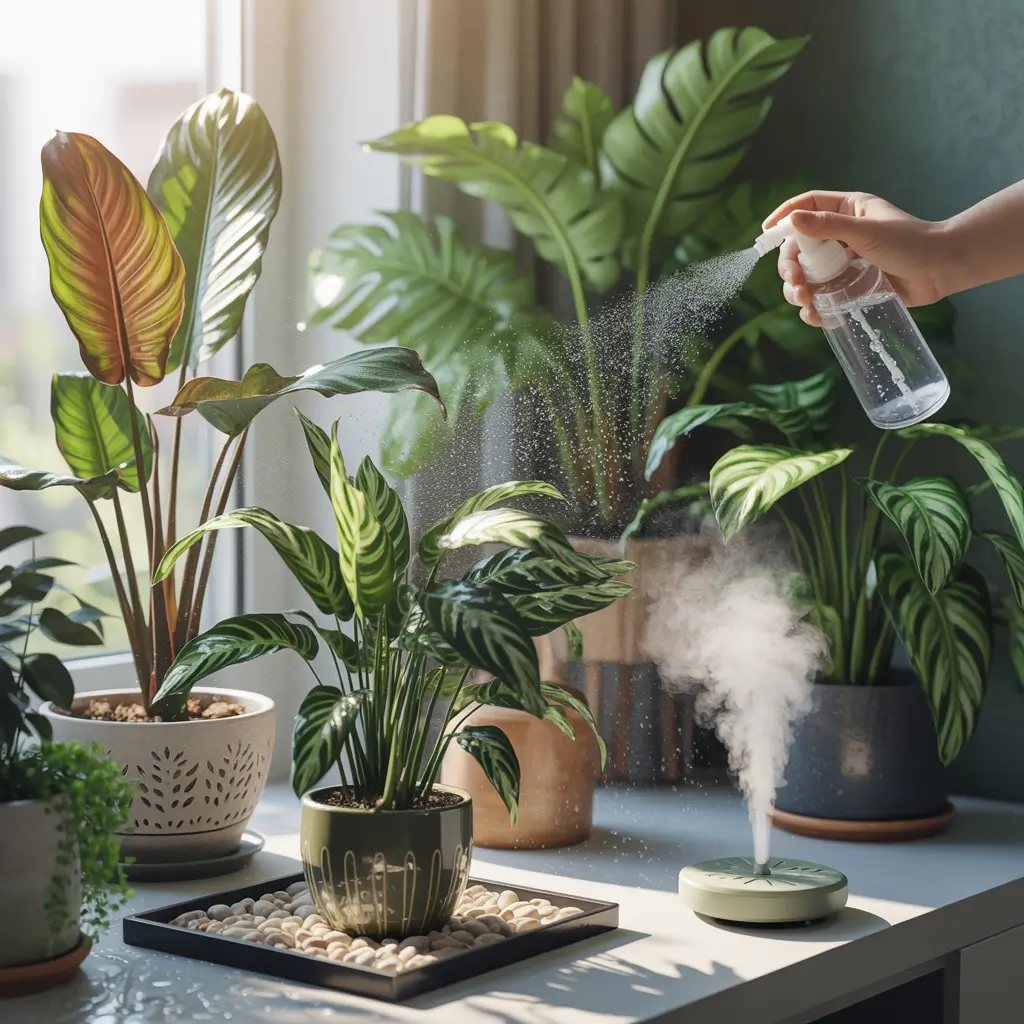
These small steps raise moisture around the plant without soaking the soil. Higher humidity makes leaves healthier and helps the plant recover faster.
It brings the plant closer to the environment it naturally grows in, which supports healing.
18. Use a Chopstick to Test Soil
If you’re unsure when to water, a simple chopstick can help. Stick it deep into the soil and pull it out. If it comes out clean, the soil is dry and ready for water. If soil sticks to it, wait longer.
This quick trick keeps you from guessing and helps prevent overwatering or underwatering. Many plant problems are caused by watering mistakes, so using something simple like a chopstick can help save a struggling plant.
19. Remove Flower Buds on Sick Plants
Flowers take a lot of energy to grow. If the plant is already weak, keeping blooms can slow recovery. Pinch off flower buds or fading blooms so the plant can focus on rebuilding its health.
Once the plant is strong again, it can produce flowers later with more energy. This small step may feel tough, but it helps the plant get better faster. Sacrificing blooms now means more and healthier growth in the future.
20. Don’t Panic Too Fast
Sometimes a plant looks worse before it gets better. After trimming dead roots, repotting, or adjusting light, the plant may drop a few more leaves. This does not always mean you’re doing something wrong.
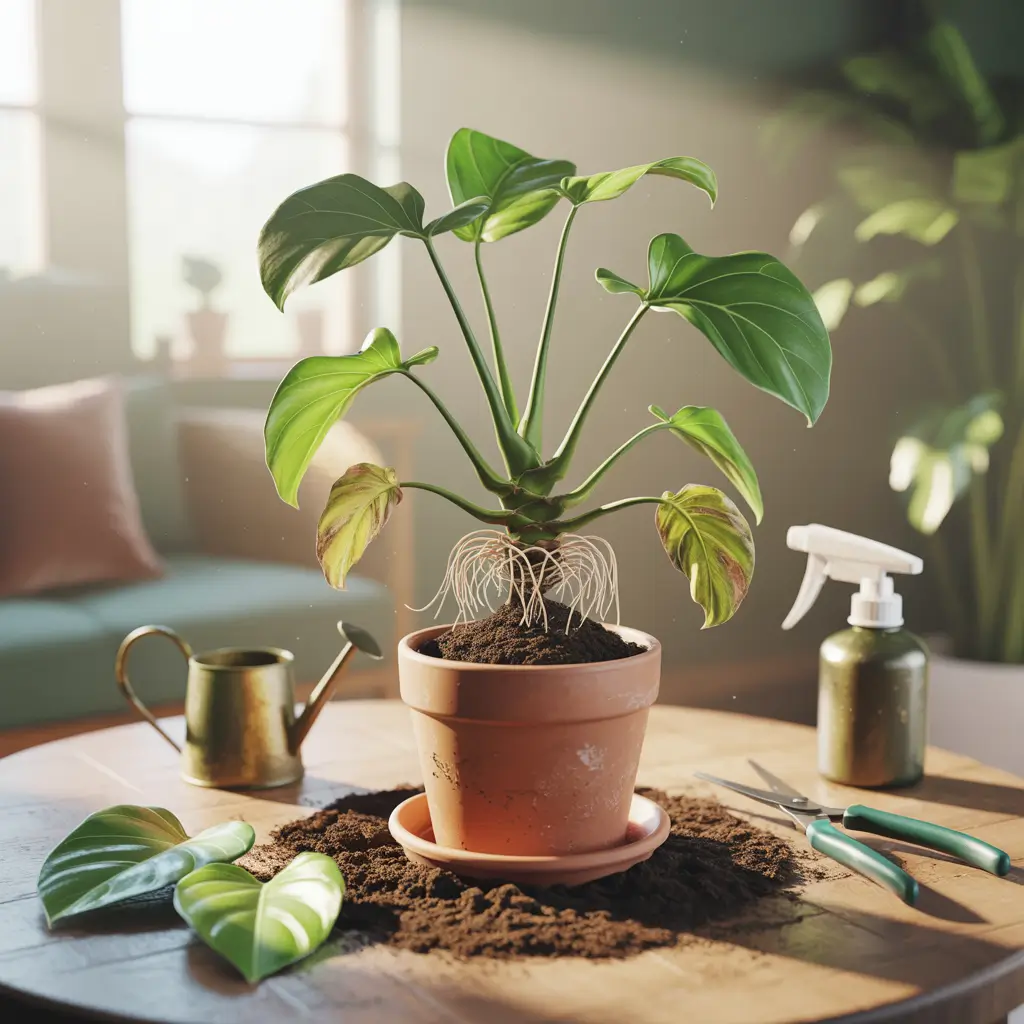
Plants need time to adjust. If the roots are still healthy, the plant has a good chance to recover. Staying calm helps you care for the plant correctly without making quick changes that cause more stress or slow recovery.
21. Turn the Plant Every Week
Plants naturally grow toward light, which can make them lean or stretch to one side. Turning the pot once a week gives all sides a chance to get sunlight. This helps the plant grow straight, balanced, and stronger.
Weak stems can improve over time with this simple habit. Turning the plant is easy to forget, but keeping it in mind can help support steady growth and prevent tipping, bending, or leaning from one direction.
22. Use a Clear Pot to Watch Roots
With a clear pot, you can see what the roots look like without digging. Healthy roots are firm and light-colored. Dark, mushy roots mean trouble. Being able to check root health easily helps you catch problems early.
Clear pots are especially helpful for new plant parents who are still learning how to read their plants’ needs. Knowing what’s happening below the soil gives you more control and confidence in helping a struggling plant recover.
23. Give Outdoor Plants a Rest
Outdoor plants face heat, cold, wind, heavy rain, and strong sun. Too much of any of these can weaken a plant. If you notice the plant drooping or burning, move it to a safer place for a few days.
Even a little break can help it gain strength. Once the weather settles, you can move it back. Protecting plants from stress gives them space to grow healthy again, especially after tough weather changes.
24. Trim Long Roots When Repotting
When roots circle tightly inside a pot, they have no room to grow. This leads to weak plants. When repotting, gently trim long, tangled roots. This helps the plant send new roots into fresh soil.
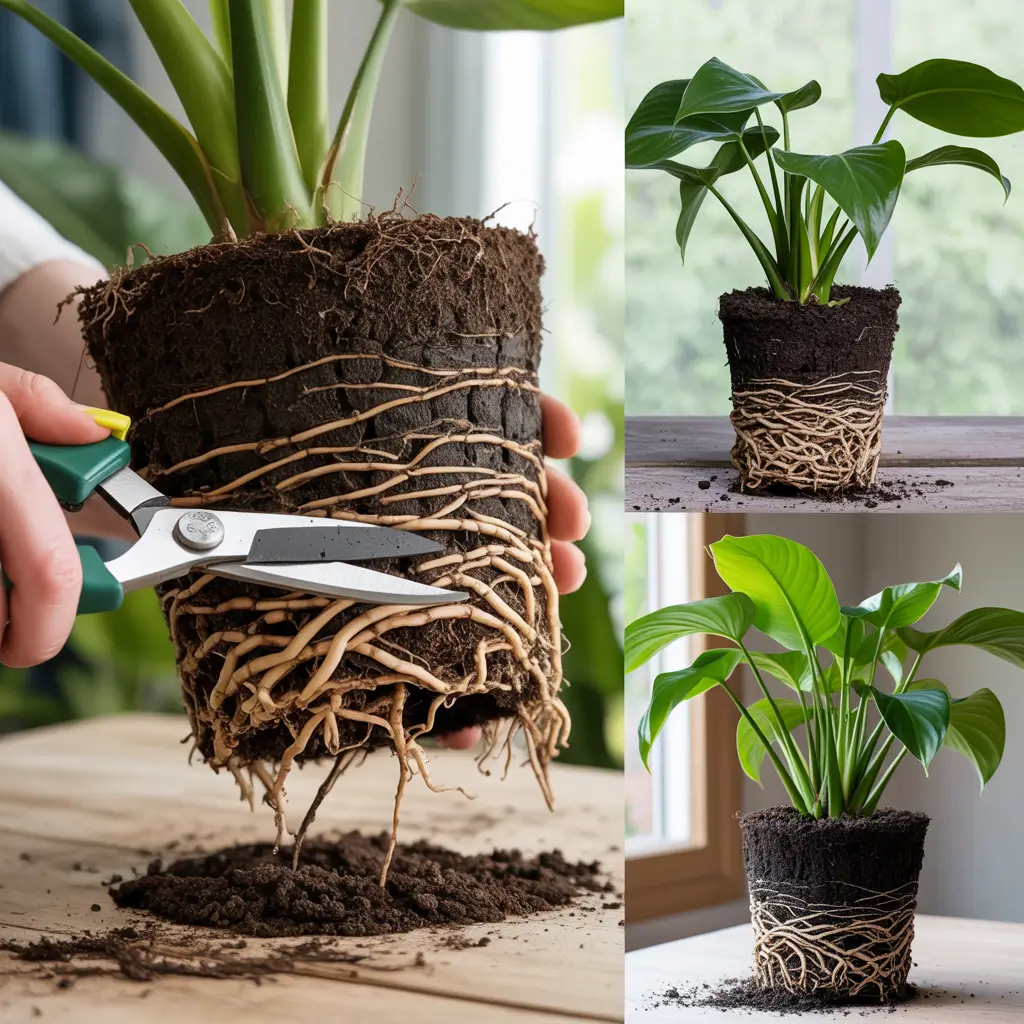
It may seem scary to cut roots, but controlled trimming can improve water and nutrient intake. Plants often respond with stronger growth after this step. Giving the roots space to grow makes a big difference in saving a dying plant.
25. Learn What Your Plant Likes
Every plant is different. Some love bright sun, while others burn in it. Some prefer wet soil, while others like it dry. When you learn what your plant needs, saving it becomes easier.
Look at how the plant reacts after changes. If it gets better, keep going. If not, adjust again. Paying attention and responding to your plant is one of the best ways to help it stay healthy and recover when it’s struggling.
Final Thoughts
Saving a dying plant is less about luck and more about noticing small details. Most plants can bounce back if you fix the real problem, whether it’s light, water, soil, roots, or pests.
Be patient, watch for little signs of improvement, and don’t give up too fast. With steady care and simple steps, even a plant that looks weak and hopeless can grow strong again. Your effort and attention truly make the difference.