
12 Easy Organic Pest Control Methods That Keep Bugs Away
Bugs and pests can ruin a garden fast, but you don’t need harsh chemicals to stop them. Organic pest control uses natural ways to keep insects away while keeping your soil and plants healthy.
It’s all about balance, letting nature handle most of the work. Instead of sprays that harm good bugs, you use plants, soil care, and simple tricks that keep pests under control.
These methods are safe, effective, and good for the earth.
1. Neem Oil Spray
Neem oil comes from the seeds of the neem tree and works like a gentle guard for your plants. Mix a little neem oil with water and spray on leaves to stop pests like aphids, whiteflies, and mites.
Neem also slows insect eggs from hatching. Spray in the evening so the sun won’t burn wet leaves. It does not kill all helpful insects if you use it carefully.
Repeat every week or after rain to keep pests down. It’s a natural, safe option for many garden needs.
2. Soap and Water Spray
A mild soap-and-water spray is an easy fix for soft-bodied insects like aphids and mealybugs. Use one teaspoon of gentle liquid soap in a quart of water, shake, and lightly spray leaves where bugs hide.
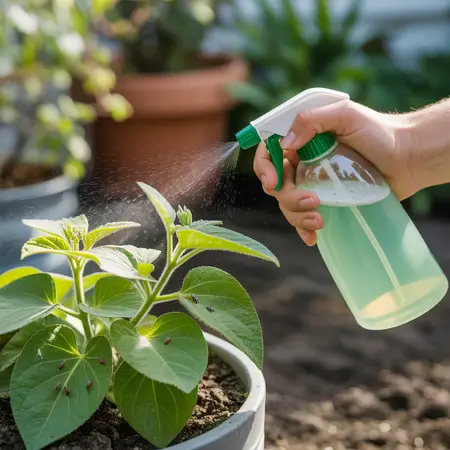
The soap breaks the bug’s outer layer and they dry out. Test on one leaf first to make sure your plant is okay. Don’t use dish soaps with degreasers.
Reapply every few days until the bugs are gone. It’s cheap, fast, and works well for small infestations.
3. Diatomaceous Earth (DE)
Diatomaceous Earth is a fine white powder made from fossilized tiny shells. To bugs it is sharp, but it’s safe for people and pets. Sprinkle DE around the base of plants, along borders, and where crawling pests pass.
When slugs, ants, or beetles move across it, the powder dries them out and stops them. Reapply after rain because water washes it away.
Use food-grade DE only. It’s a low-cost, hands-off way to reduce crawling pests without chemicals, and it works best when used regularly and in dry conditions.
4. Companion Planting
Companion planting means putting plants together that help each other. Marigolds can keep some nematodes away, basil helps repel flies, and nasturtiums can lure aphids away from tasty veggies.
Planting a mix of flowers and herbs near vegetables builds a stronger garden and confuses pests. It also brings helpful insects like bees and ladybugs.
Companion planting is simple: choose two or three friendly pairs and try them in small beds first. Over time you’ll see fewer pests and a more colorful, healthy garden without sprays.
5. Beneficial Insects
Beneficial insects are natural pest control helpers. Ladybugs eat aphids, lacewings eat small soft bugs, and parasitic wasps target caterpillars and other pests.
You can attract these helpers by planting flowers like dill, fennel, yarrow, and marigolds. Some gardeners buy and release beneficial insects in the spring to boost numbers.
Once they arrive, they hunt pests for you and lower the need for sprays. Give them water and shelter. A small patch of wild flowers or a shallow dish with stones helps them settle and protect your plants.
6. Handpicking Pests
Handpicking is old-school, but it works. Walk your garden early in the morning or late evening and look under leaves and on stems. Pick off caterpillars, beetles, and slugs and drop them into a bucket of soapy water.
Remove eggs too if you find them. This method is best for small gardens or early problems before they spread. It costs nothing and gives you a close look at plant health.
Doing this weekly keeps pest numbers low and helps you spot trouble before it becomes a big problem.
7. Row Covers or Netting
Row covers and netting are lightweight fabrics that keep flying pests away while letting light, air, and rain reach your plants. Drape them over hoops or frames to make a barrier against moths, beetles, and other pests.
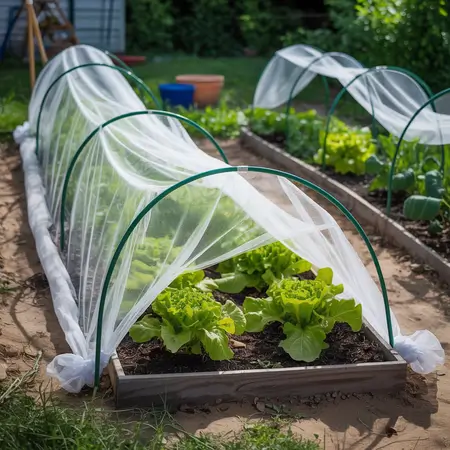
Use covers for seedlings or vulnerable crops until they are strong. Remove covers when plants need pollination so bees can visit flowers.
Row covers are easy to use and prevent damage without pesticides. They are especially useful in spring and early summer to stop pests from ever landing on your crops.
8. Homemade Garlic or Chili Spray
Garlic and chili sprays are simple home remedies that bugs dislike. Blend several garlic cloves or a few hot chilies with water, strain, and dilute the mix before spraying on plants.
The strong smell and taste make many pests avoid the treated area. It works best against chewing insects and some sap-suckers. Reapply every week or after rain because the scent fades.
Test on one plant first to avoid leaf burn. These sprays are cheap, safe, and easy to make with kitchen ingredients.
9. Healthy Soil Practices
Healthy soil makes strong plants that resist pests naturally. Add compost, aged manure, and organic matter to feed soil life like worms and microbes. Avoid overwatering and give plants enough space to breathe.
Rotate watering and feed lightly with balanced organic fertilizer. When roots are strong, plants can fight off insects and diseases better.
Good soil also grows more beneficial insects that help control pests. Investing in soil health means fewer pest problems, better yields, and happier plants over the long term.
10. Crop Rotation
Crop rotation means moving plant families to new beds each season. Pests and diseases that love one crop won’t find it in the same place next year.
For example, grow beans where tomatoes were and move brassicas away from brassicas. This breaks pest life cycles and lowers disease build-up in soil. It also helps soil health because different plants use different nutrients.
You don’t need a big garden just plan a simple three-bed rotation and switch crops each year to keep pests guessing and your beds healthier.
11. Traps and Barriers
Traps and simple barriers catch or block pests without chemicals. Sticky traps hang near plants to catch flying insects.
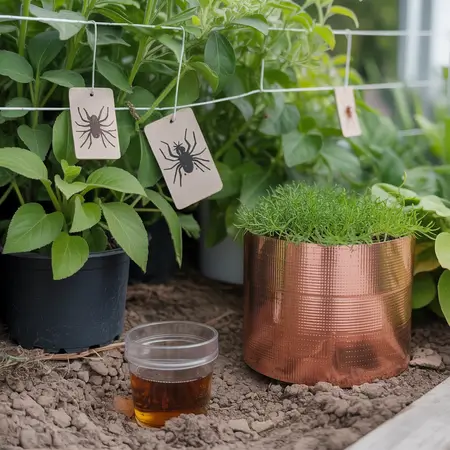
Copper tape around pots stops slugs from climbing. Beer traps attract slugs into a shallow container they can’t escape from. Place boards or rough mulch as hiding spots to trap ground pests and then remove them.
These small tools work well combined with other methods. They are low-cost, easy to set up, and focus on problem areas so you don’t have to treat the whole garden.
12. Mulching
Mulch covers soil with straw, wood chips, or compost to help plants and block pests. A good mulch layer keeps soil moist, reduces weeds, and makes it harder for pests to lay eggs.
Some mulches can also discourage insects from reaching seedlings. Mulch supports soil life like earthworms that improve root growth and plant health.
Refresh mulch when it starts to thin and keep it a few inches away from stems to avoid rot. Mulching is a quiet, natural way to protect plants and cut pest problems at the same time.
Final Thoughts
Organic pest control relies on simple, natural steps you can use together. No single method fixes everything, but mixing a few like healthy soil, helpful insects, and physical barriers keeps pests low and plants strong.
These methods are safe for kids, pets, and pollinators. Start small, try a couple of techniques, and watch your garden find balance.
Over time you’ll need fewer fixes and more healthy plants. Nature does most of the work when you give it the right tools.