
15 Most Common Garden Pests Every Gardener Should Know
Gardening is one of life’s simple joys, but even the happiest garden can face a few challenges. One of the biggest hurdles? Garden pests.
These tiny invaders can sneak in and nibble on your plants, sometimes before you even notice. Knowing the most common garden pests helps you protect your plants, keep your garden healthy, and enjoy your outdoor space without surprises.
From tiny insects to sneaky critters, recognizing these pests is the first step to keeping your garden thriving all season long.
1. Aphids
Aphids are tiny, soft-bodied insects that often cluster on new growth. They suck sap from plants, causing leaves to curl and yellow.
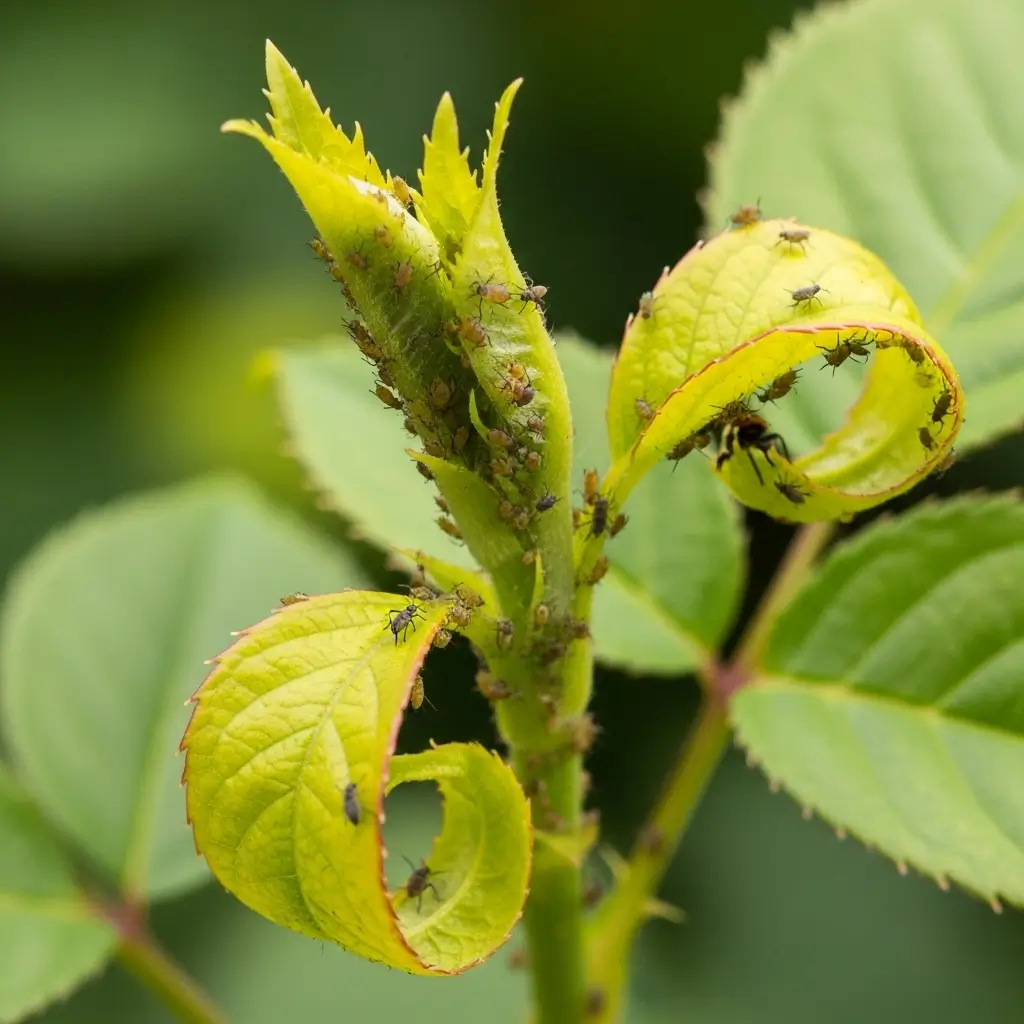
You might notice them on roses, vegetables, or even indoor plants. These little pests are easy to spot if you check the undersides of leaves.
A gentle spray of water can sometimes wash them away, or you might see ladybugs happily doing the job for you. Even the smallest aphid can make a big mess if left unchecked.
2. Slugs and Snails
Slugs and snails love damp, shady spots in the garden. They leave slimy trails and chew holes in leaves and flowers. If you see irregular holes in your lettuce or hosta leaves, these are often the culprits.
Night time is when they are most active, so a flashlight can help catch them in action. Some gardeners place shallow dishes of beer to lure them away or handpick them at night.
They might be slow, but their appetite can be fast and furious.
3. Caterpillars
Caterpillars are the larvae of butterflies and moths. They munch on leaves voraciously and can strip a plant quickly if you’re not watching.
Tomato and cabbage plants are common targets. You can spot them by looking for droppings, chewed leaves, or the caterpillars themselves.
Birds love them too, so encouraging feathered friends can help keep their numbers down. Despite their cuteness, caterpillars can be serious leaf eaters, so early detection is key.
4. Whiteflies
Whiteflies are tiny, white-winged insects that flutter around when you disturb a plant. They feed on plant sap and produce a sticky substance called honeydew, which can attract sooty mold.
They’re often found on the undersides of leaves in warm weather. Yellow sticky traps or gentle insecticidal soaps can help manage them.
Even though they’re small, whiteflies can weaken plants fast, especially if there are many of them.
5. Spider Mites
Spider mites are tiny and often go unnoticed until damage appears. They cause leaves to speckle, turn yellow, or drop off.
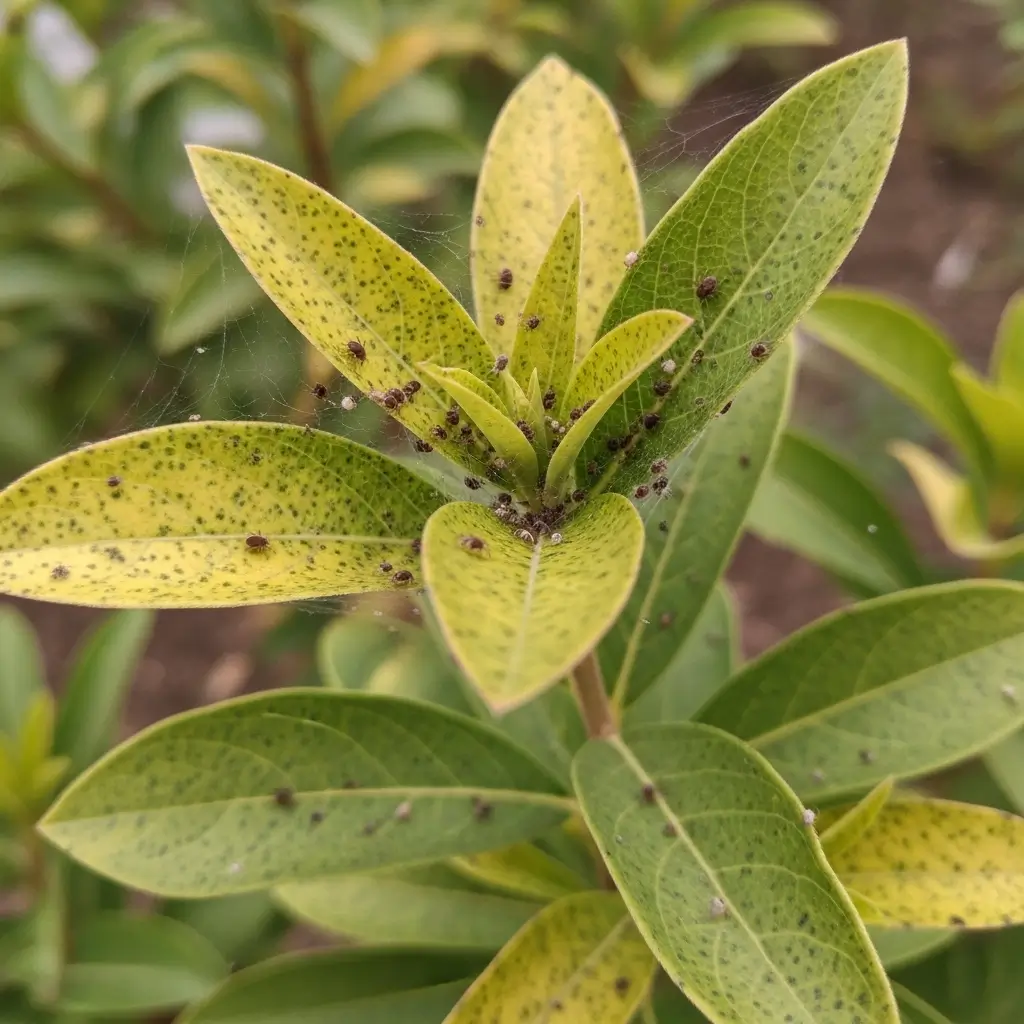
Fine webbing may appear under leaves in severe infestations. Dry, dusty conditions encourage them, so keeping plants hydrated and spraying with water occasionally can help.
These little pests are tricky because they reproduce quickly, but catching them early makes all the difference.
6. Japanese Beetles
Japanese beetles are shiny, metallic insects that feast on flowers and leaves. Roses, beans, and grapes are frequent targets.
They skeletonize leaves, leaving only veins behind. Handpicking is effective if you catch them early, and soapy water can be a quick way to dispose of them.
Their bright green and bronze color makes them easy to spot, but their appetite can quickly turn your garden into a buffet.
7. Cutworms
Cutworms are caterpillar-like larvae that hide in the soil and chew through young plant stems at night. Seedlings often disappear overnight, leaving gardeners puzzled.
Placing collars around seedlings or checking soil regularly can help. These pests are sneaky, and you often only see the damage.
Protecting new plants early is the best way to avoid heartbreak from these nocturnal nibblers.
8. Leaf Miners
Leaf miners are insect larvae that burrow inside leaves, leaving winding, white trails. While they rarely kill plants, the cosmetic damage can be frustrating.
Vegetables like spinach, beets, and peas are common targets. Removing affected leaves and encouraging natural predators like parasitic wasps helps keep them in check.
Their trails might look artistic, but they’re a sign that your plant isn’t happy.
9. Squash Bugs
Squash bugs feed on the sap of squash, pumpkins, and related plants. They cause wilting and yellowing, especially in warm months.
Look for brownish eggs on the undersides of leaves and clusters of adults around stems. Handpicking and removing debris where they hide can protect your crops.
These pests can spread quickly, so catching them early is essential for a healthy harvest.
10. Thrips
Thrips are tiny, slender insects that feed on flowers and leaves, causing streaks and silvery spots. They’re common on roses, tomatoes, and peppers.
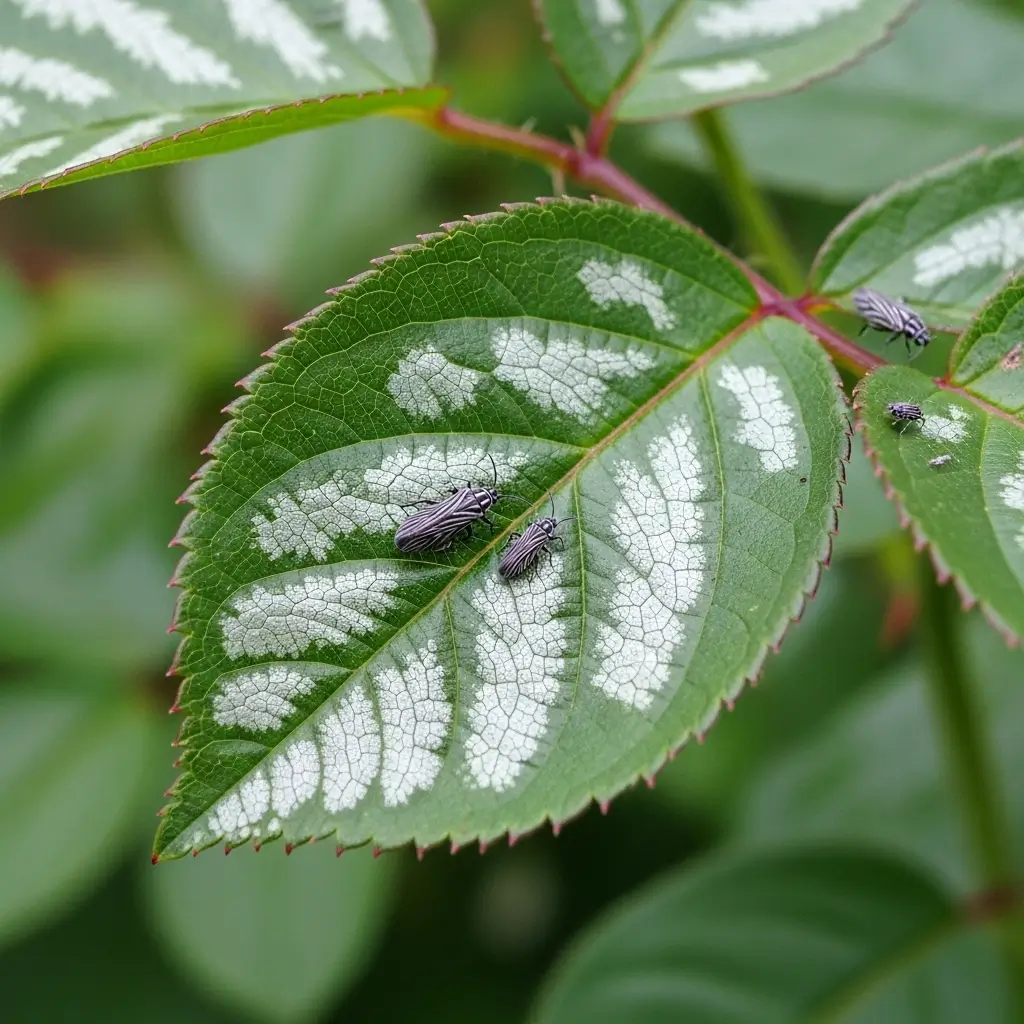
Thrips can spread plant viruses, so controlling them is important. Sticky traps, gentle sprays, or introducing natural predators like lacewings can help.
Even though they’re minuscule, thrips can leave a noticeable mark on your garden if ignored.
11. Mealybugs
Mealybugs are small, white, cotton-like insects that cluster on stems and leaf joints. They feed on sap and leave sticky residue, attracting mold
Often found on indoor plants or greenhouse crops, they can multiply fast. Rubbing alcohol on a cotton swab or insecticidal soap can control them.
They may look harmless, but mealybugs can quietly weaken your plants over time.
12. Flea Beetles
Flea beetles are tiny, jumping insects that chew small holes in leaves, giving them a “shotgun” appearance. They love young seedlings of tomatoes, cabbage, and eggplant.
Floating row covers and sticky traps help protect plants, and keeping weeds under control reduces hiding spots. These little jumpers are fast, so frequent checks make it easier to manage them.
13. Grasshoppers
Grasshoppers munch on leaves, flowers, and even fruits. They can cause large holes and strip plants if populations grow.
They’re most active in hot, dry weather. Encouraging birds and praying mantises helps naturally control them.
Handpicking larger ones early in the season can reduce damage. While fun to watch, their appetite in the garden can be surprisingly big.
14. Earwigs
Earwigs are nocturnal insects that chew on flowers and leaves, especially in damp areas. They leave ragged holes and sometimes feed on fruits.
Traps with rolled-up newspaper or shallow containers of oil can help catch them. Despite their scary appearance, earwigs are more nuisance than danger and sometimes eat other pests too.
Spotting them at night is often the easiest way to know they’re around.
15. Scale Insects
Scale insects look like tiny bumps on stems or leaves. They feed on sap and leave sticky honeydew behind.
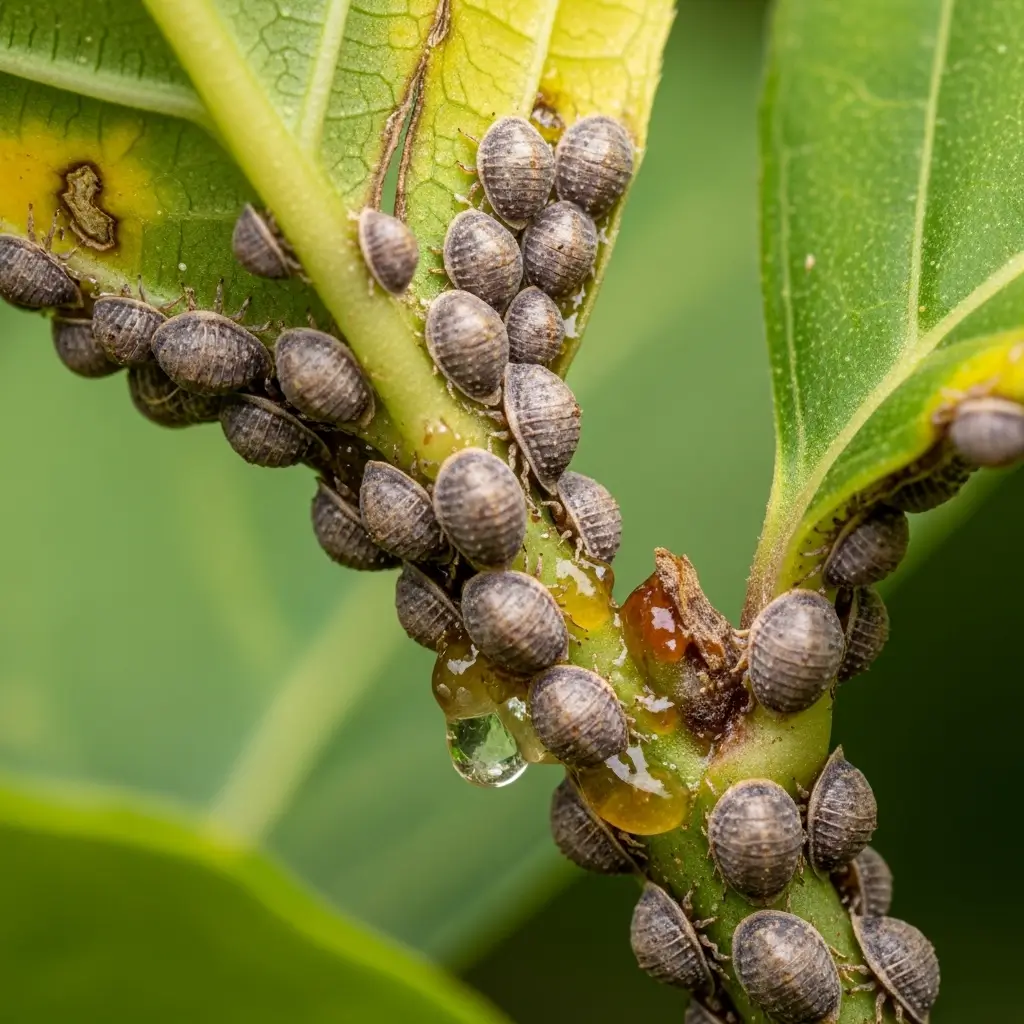
They can weaken plants over time, causing yellow leaves or stunted growth. Scraping them off gently or using horticultural oil helps manage infestations.
While slow-moving, their quiet feeding can be serious if left untreated.
Final Thoughts
Every garden faces pests at some point, and the best gardeners are those who notice them early. By recognizing these common invaders, you can protect your plants and enjoy a healthier, more beautiful garden.
Some pests are tiny, some are sneaky, but all can be managed with observation, care, and a little patience. Knowing your garden enemies is the first step to keeping your plants happy and thriving.