
20 Medicinal Plants To Grow for Your Survival Garden
Growing your own medicinal plants is a smart way to care for your family. These plants are easy to grow, even in small spaces, and give you simple remedies right at home.
Preppers like them because they offer peace of mind when stores are closed or supplies are low. They are practical, reliable, and always ready when you need them.
In this post, I’m sharing a list of medicinal plants you can grow at home. These are plants I trust, plants I’ve grown myself, and plants that bring comfort and support in real-life situations.
1. Aloe Vera
Aloe vera is one of the most helpful plants you can grow at home. It is best known for soothing burns, cuts, and dry skin.
You can grow it in pots with fast-draining soil and bright light. It does not need a lot of water, which makes it great for beginners.
In a survival garden, aloe vera is valuable because it gives fast relief when you have skin injuries or need moisture for dry, irritated areas. It is simple, dependable, and ready when you need it.
2. Peppermint
Peppermint is a favorite plant for stomach problems, headaches, and sore muscles. The leaves make a calming tea that supports digestion and eases gas and nausea.
Peppermint grows best in moist soil and partial sun. It spreads fast, so many people grow it in containers.
This is a great survival garden herb because it’s multipurpose and grows quickly, even when conditions are rough. With just a handful of leaves, you can make tea, oils, and homemade muscle rubs.
3. Chamomile
Chamomile is a gentle herb used to calm stress, help sleep, and soothe upset stomachs. You can grow it in well-drained soil and full sun. It doesn’t need much attention and gives many small, daisy like flowers.
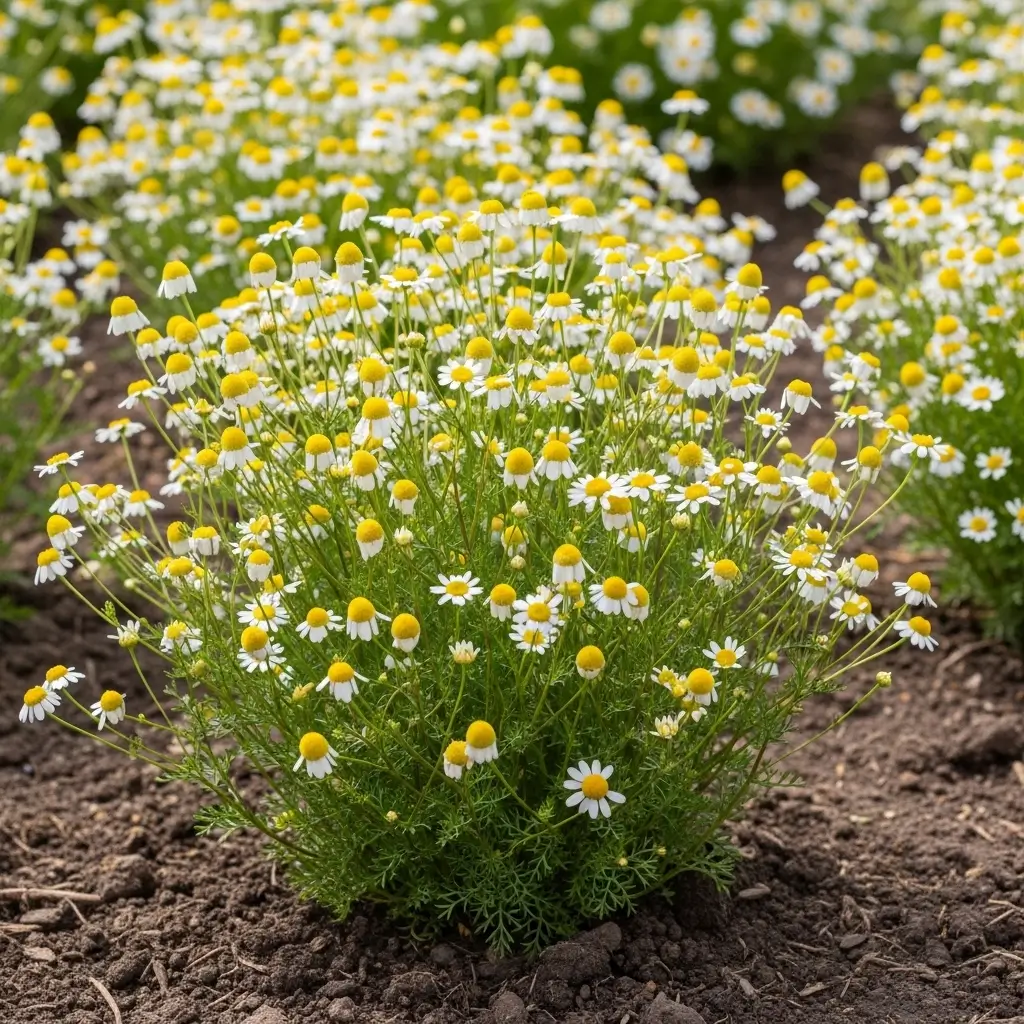
Harvest and dry the blooms for tea. In a survival garden, chamomile is valuable because it supports the body during stressful times and helps you rest when life gets difficult.
It’s a simple plant that grows almost anywhere and gives comfort when you need it most.
4. Lavender
Lavender has a clean, calming scent and is used to reduce stress, improve sleep, and soothe skin. Grow it in full sun and well-drained soil.
It doesn’t like heavy watering and does well in dry areas. Lavender belongs in a survival garden because it brings emotional balance and peace during hard times.
You can dry the flowers for tea, oils, or sachets. When things feel overwhelming, lavender helps settle the mind and calm the home with its gentle smell.
5. Calendula
Calendula is known for healing the skin. It helps cuts, scrapes, rashes, and dry spots. It grows easily in full sun and average soil, and the bright orange flowers are cheerful in the garden.
Pick and dry the petals to use in oils, salves, and balms. Calendula is a survival garden must-have because it helps with everyday injuries and keeps the skin healthy.
When medical supplies are limited, having a soothing, natural plant like calendula feels like a gift.
6. Echinacea
Echinacea is well known for supporting the immune system. Many people use it at the first sign of cold or flu. Plant it in full sun with average soil, and it returns every year.
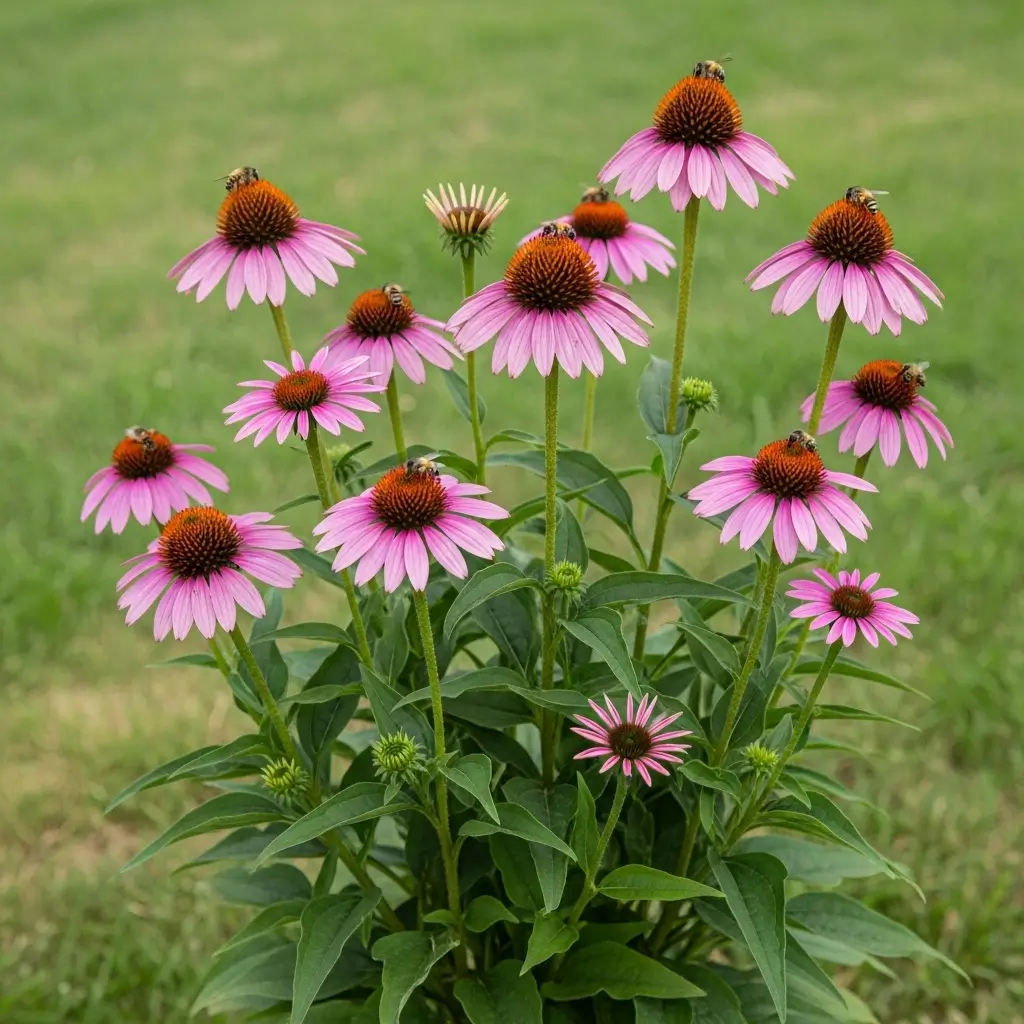
The flowers also draw bees and pollinators. In a survival garden, echinacea matters because strong immunity is important when stores are far away or supplies are low.
You can use the flowers and roots in teas and tinctures to help the body fight off sickness naturally.
7. Lemon Balm
Lemon balm is a calming herb that helps reduce stress, improve sleep, and support digestion. It grows fast in full sun to partial shade and likes moist soil. =
The leaves smell bright and lemony and make a soothing tea. Lemon balm belongs in a survival garden because it helps when emotions are high and nerves are tired.
A simple cup of lemon balm tea can bring comfort and calm in a stressful moment, which is sometimes the most important medicine.
8. Garlic
Garlic is a powerful natural antibiotic and helps support the immune system, lower inflammation, and fight infections.
Plant the cloves in fall or early spring in full sun and rich, loose soil. Garlic stores well, which makes it a great long-term prepper crop. In a survival garden, garlic matters because it can be used in food and medicine.
When supplies are limited, garlic becomes a pantry staple that helps the body stay strong and fight sickness from the inside out.
9. Ginger
Ginger supports digestion, eases nausea, and warms the body. It also helps with inflammation and colds. Grow ginger in warm, humid weather with rich soil and partial shade.
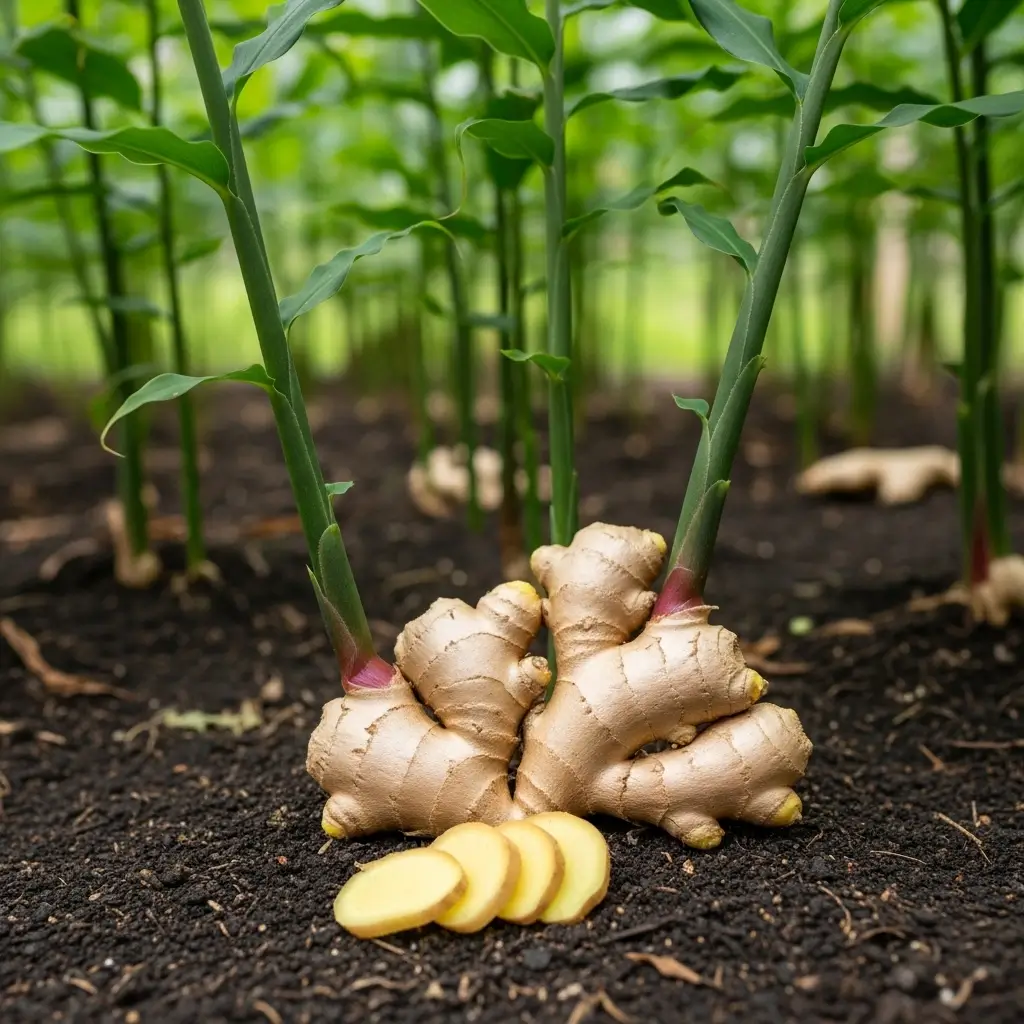
It grows from rhizomes and can be harvested a little at a time. In a survival garden, ginger is useful because it offers relief from stomach troubles and helps the body fight illness.
A simple tea made from fresh ginger can make a tough day more comfortable when medical options are limited.
10. Thyme
Thyme is a strong herb for coughs, colds, and sore throats. It supports breathing and helps fight infection. Grow it in full sun and well-drained soil. Once established, thyme is hardy and needs very little water.
It belongs in a survival garden because it is powerful, dependable, and can be made into teas, steams, and tinctures.
When someone in the home is dealing with cough or congestion, thyme is a simple and natural way to support recovery without store-bought medicine.
11. Sage
Sage has a long history of helping with sore throats, colds, and digestion. It grows best in full sun and dry, loose soil.
Once established, it can handle heat and not much watering. In a survival garden, sage is helpful because it boosts immunity, supports the stomach, and has many everyday uses.
You can make tea for a sore throat or add it to food for flavor and health. Sage is practical, strong, and belongs in every prepper’s herb bed.
12. Rosemary
Rosemary is used to improve focus, calm the nerves, and support memory. It grows in full sun and well-drained soil and does well in pots or garden beds.
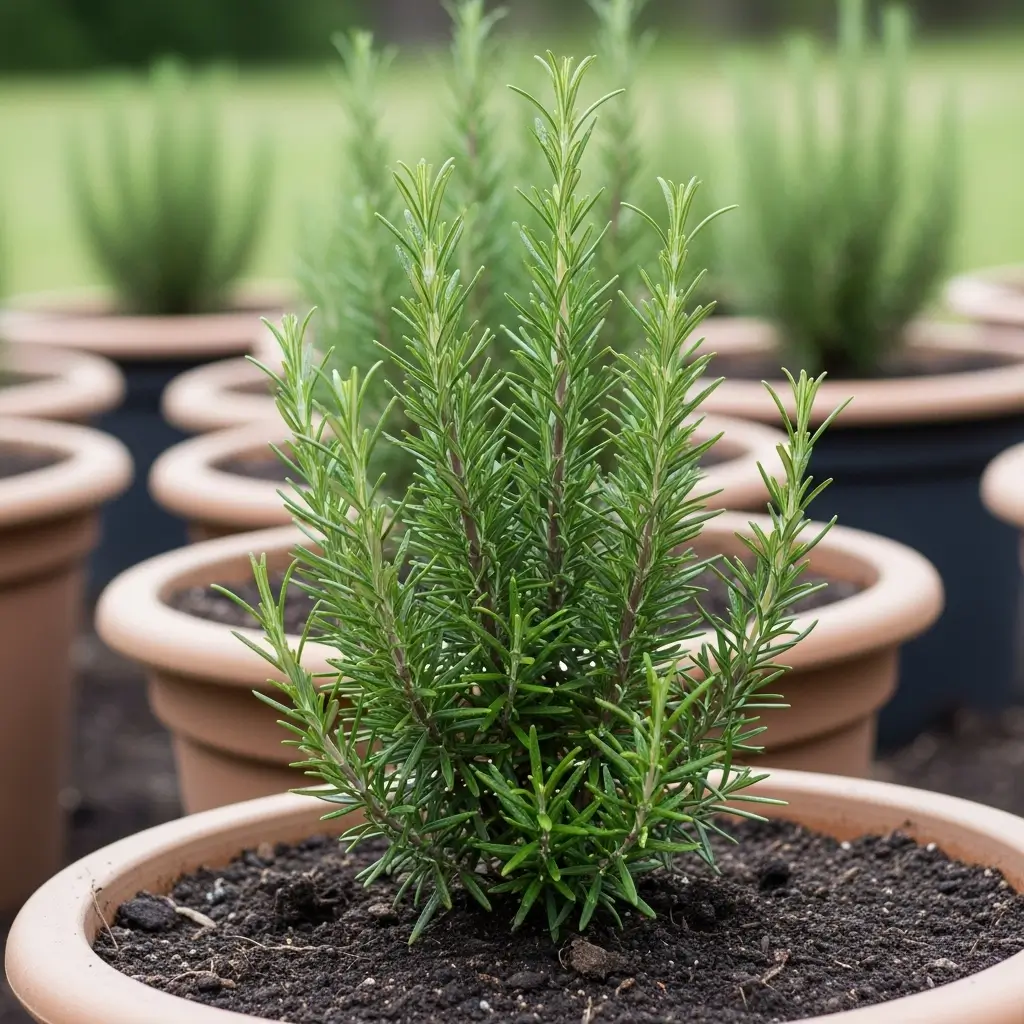
Rosemary is drought-tolerant and long-lasting. In a survival garden, rosemary is valuable because it helps keep the mind sharp during stressful times.
You can use it in tea, cooking, or oils. Its strong, comforting smell also lifts the mood and brings a sense of peace to difficult days.
13. Oregano
Oregano is rich in natural antibacterial and antiviral properties. People use it to support the immune system and help the body fight infections.
It grows easily in full sun with well-drained soil and spreads quickly once established. In a survival garden, oregano is important because it is both food and medicine.
You can dry it for long-term storage and use it in teas, tinctures, and cooking. It’s a strong plant that offers a lot of value in a small space.
14. Plantain
Plantain is a common yard weed with powerful healing abilities. The leaves help with cuts, rashes, bug bites, and skin irritation.
It grows almost anywhere with no special care, which makes it perfect for beginners and survival situations. In a prepper garden, plantain is valuable because it is fast, reliable, and easy to harvest.
You can crush a leaf and apply it right away to calm pain and swelling. When you need simple first aid, plantain is ready.
15. Yarrow
Yarrow is a strong healing herb used to stop bleeding, support circulation, and calm inflammation. It grows in poor soil, full sun, and tough weather, making it one of the easiest herbal plants to maintain.
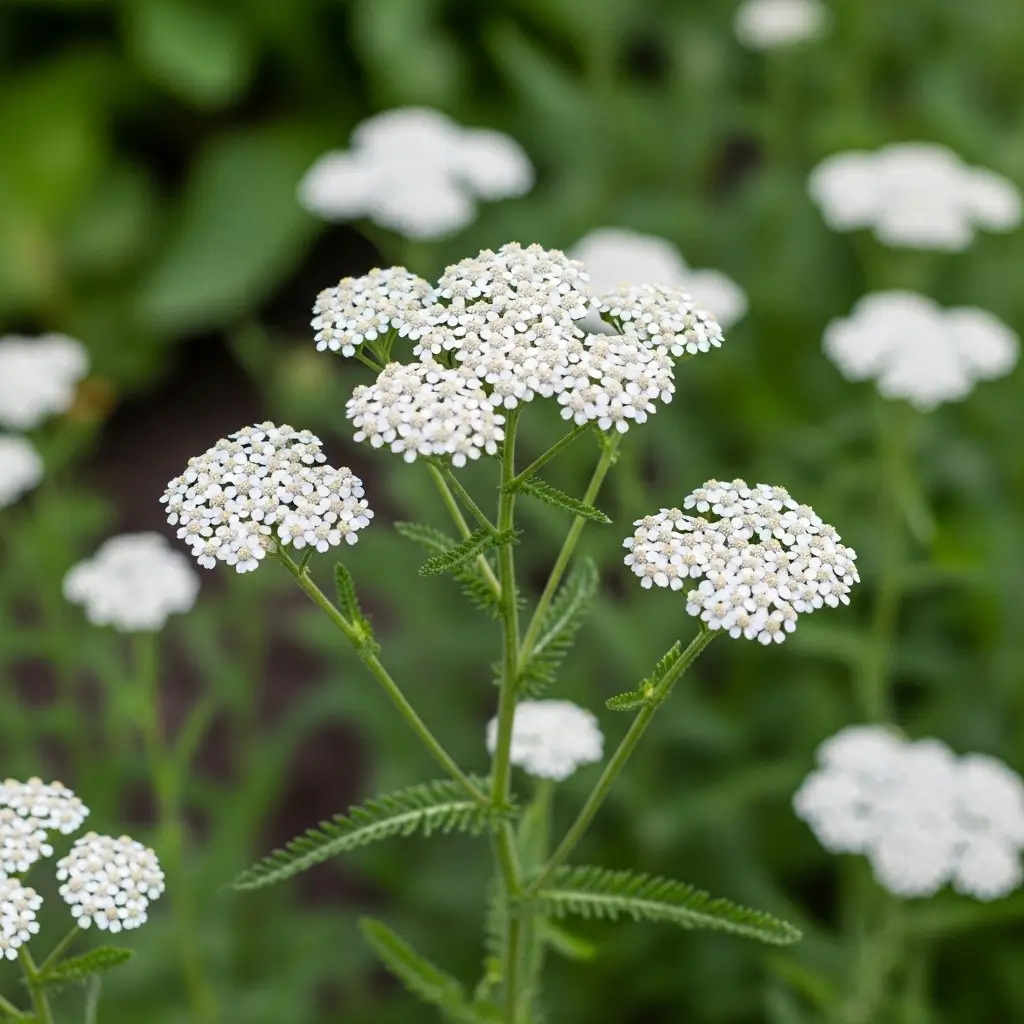
In a survival garden, yarrow is especially helpful for cuts and scrapes. The leaves and flowers can be used fresh or dried for teas, poultices, and salves.
It belongs in any prepper garden because it works fast and thrives even when conditions aren’t ideal.
16. Comfrey
Comfrey is known for healing bruises, sprains, and sore muscles. It helps skin and tissue recover quickly. Grow it in rich soil with regular water and full to partial sun.
Comfrey is a survival garden powerhouse because it regrows fast after harvesting and gives large leaves for medicine. Many gardeners use it in salves, poultices, or as compost to build soil.
When you need quick relief from injuries, comfrey is a reliable plant to have close at hand.
17. Turmeric
Turmeric supports digestion, reduces inflammation, and helps the body fight illness. It grows in warm climates with rich soil and partial shade.
Like ginger, it grows from rhizomes and can be harvested a little at a time. In a survival garden, turmeric is valuable because it helps soothe joint pain, stomach problems, and immune challenges.
A small piece simmered in milk or tea can bring comfort when supplies are low and you need natural relief that comes straight from the garden.
18. Holy Basil (Tulsi)
Holy basil is a calming herb used to support stress relief, focus, and breathing. It grows well in full sun with moderate watering and can be grown in pots or beds.
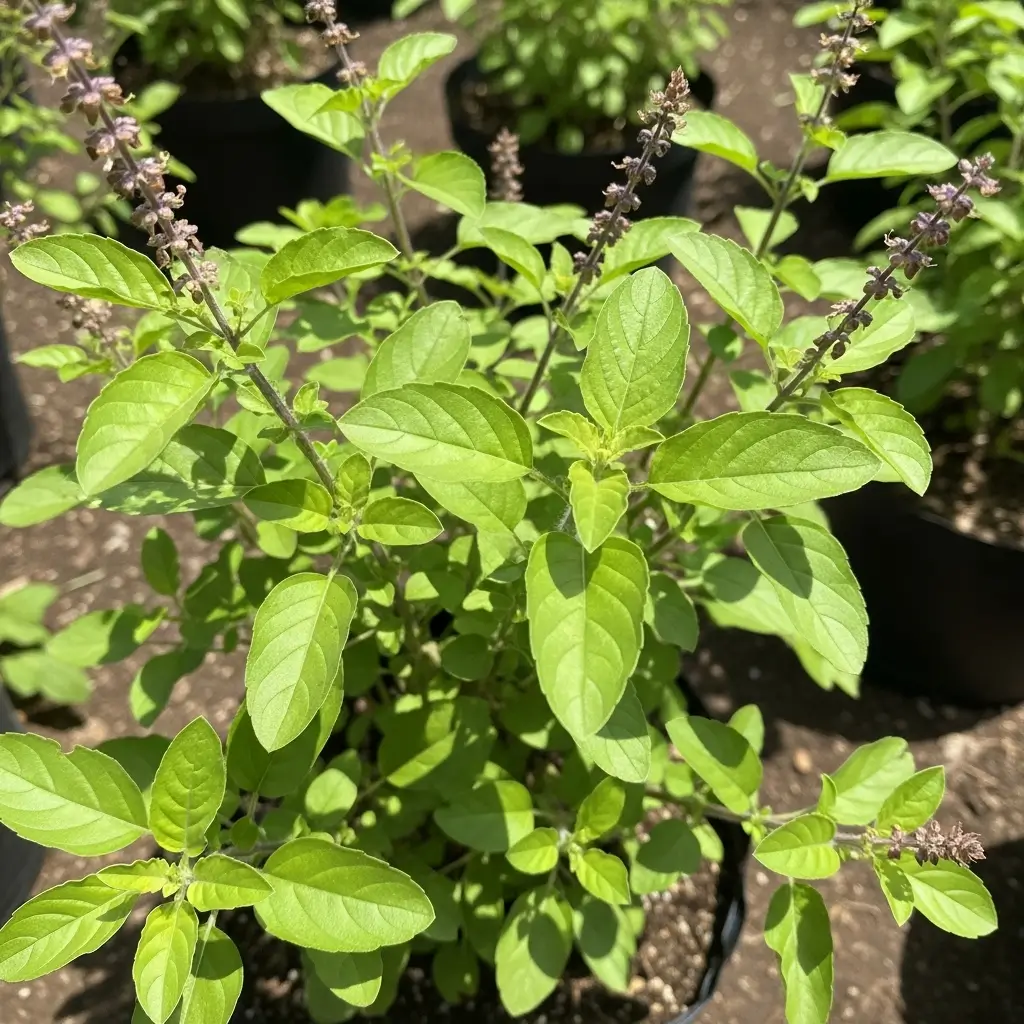
Holy basil is important because it supports emotional balance when life feels stressful or uncertain. The leaves make a gentle tea that helps calm the mind and lift the spirit.
It is a comforting plant that brings peace and clarity to tough days.
19. Dandelion
Dandelion supports digestion, liver function, and overall wellness. The whole plant is useful roots, leaves, and flowers. It grows almost anywhere without help, making it perfect for preppers and beginners.
Dandelion matters in a survival garden because it appears even when you have nothing planted. It is rich in vitamins and minerals and can be used fresh or dried.
A simple tea or cooked greens can support the body when options are limited and natural nutrition matters most.
20. Marshmallow Root
Marshmallow root is soothing for sore throats, coughs, and digestive problems. It grows best in moist soil and full sun. It produces tall, soft plants with helpful roots that can be dried for long-term storage.
In a survival garden, marshmallow root belongs because it brings comfort when the body is irritated or inflamed. A gentle tea or syrup can calm the throat, chest, and stomach.
When you need a soft, soothing plant for healing, marshmallow is dependable and effective.
Final Thoughts
A survival garden doesn’t have to be large or complex. These plants are simple, useful, and give real support when supplies are low or help is far away.
Each one earns its place by being dependable, easy to grow, and helpful in everyday situations. With a few pots, a small bed, or even a sunny windowsill, you can build a garden that brings comfort, healing, and peace of mind right where you live.