
Hydroponic Gardening: 8 Simple Ways to Grow Without Soil
Hydroponic gardening is all about growing plants without soil. Instead of dirt, the roots sit in water mixed with nutrients. At first, it sounds strange I thought plants needed soil to survive. But once I saw how simple it is, it made sense.
The water carries everything the plant needs, and the roots don’t have to “search” for food. This makes the plants grow faster and often healthier. People try hydroponics because it saves space, uses less water than a regular garden, and works indoors or outdoors.
In this post, we’ll share eight hydroponic methods like deep water culture, wick systems, and nutrient film technique, so you can see which one might fit your space and style.
1. Deep Water Culture (DWC)
Deep Water Culture is one of the simplest ways to start hydroponics. Plants are placed in net pots, and their roots hang down into a container filled with water and dissolved nutrients.
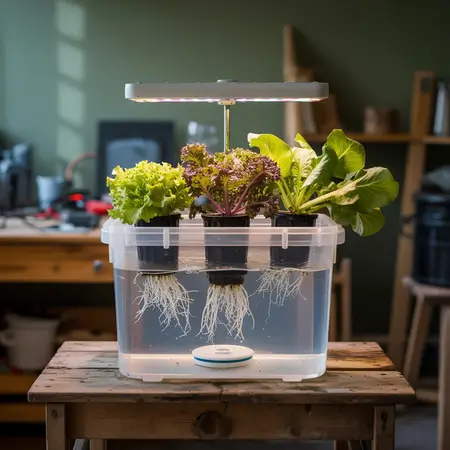
An air pump and air stone keep the water bubbling so the roots don’t suffocate. Since the plants have direct access to food and oxygen, they grow quickly.
Leafy greens like lettuce, kale, and herbs thrive in this system. It doesn’t require much equipment, making it beginner-friendly and affordable.
Tip: Keep the water temperature cool (around 65–70°F) to prevent root rot and keep plants healthy.
2. Nutrient Film Technique (NFT)
In the Nutrient Film Technique, plants sit in small channels or tubes set at a slight angle. A thin stream of nutrient water flows across the roots, and the excess drains back into a reservoir.
Because the roots are partly exposed to air, plants get a steady mix of oxygen and nutrients, which speeds up growth.
NFT is especially popular for lightweight, fast-growing crops like lettuce and spinach. It uses very little water, which makes it efficient and eco-friendly.
Tip: Always check your pump. If the flow stops, the roots can dry out in just a few hours.
3. Wick System
The wick system is probably the easiest hydroponic method out there. It doesn’t need pumps, timers, or electricity.
Instead, a wick (like cotton rope) draws nutrient solution from a container up into the growing medium around the plant roots. It works much like a candle wick pulling up wax.
This slow but steady supply of water makes it a good option for herbs and small houseplants. Because it’s so simple, it’s perfect for kids or anyone new to hydroponics.
Tip: Use more than one wick if you notice the plants looking thirsty. Big plants need more water than one wick can deliver.
4. Ebb and Flow (Flood and Drain)
Ebb and Flow systems use a tray that gets regularly filled with nutrient water and then drained back into a tank. A pump, controlled by a timer, floods the tray several times a day.
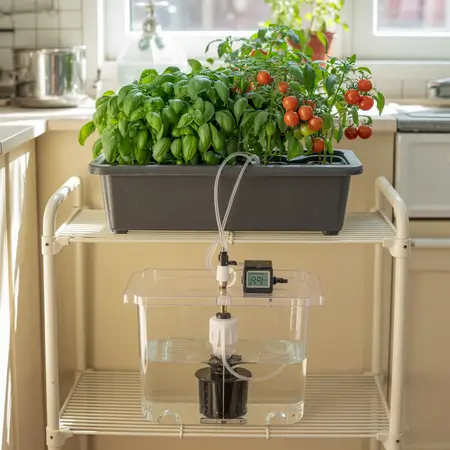
During the flood, plants take up nutrients. When the water drains, the roots get a rush of oxygen. This balance makes plants grow strong and fast.
It’s versatile and works for everything from herbs to tomatoes. The setup is a bit more advanced, but still manageable at home.
Tip: Keep the pump and timer clean. Any failure in flooding can dry out roots quickly.
5. Drip System
The drip system works like watering your plants with a tiny IV. Nutrient solution slowly drips directly to each plant’s base, keeping the roots moist and fed.
Any extra solution drains back to the tank and can be reused, which reduces waste. This system is flexible. You can grow just a few plants or set up a larger garden.
Tomatoes, strawberries, and peppers do especially well in drip systems. The main challenge is keeping the small tubes clean.
Tip: Flush the lines often to prevent blockages, since minerals in the nutrients can clog drippers.
6. Aeroponics
Aeroponics is one of the most advanced hydroponic methods. In this system, plant roots dangle in the air inside a chamber. Every few minutes, they are misted with a nutrient-rich spray.
Because the roots are fully exposed to oxygen, plants grow incredibly fast and strong. It’s efficient, using less water than almost any other system.
Aeroponics can be used for leafy greens, herbs, or even fruiting plants, though it requires more equipment and monitoring.
Tip: Reliable misting is everything. If the sprayers stop working, roots can dry out within minutes.
7. Kratky Method
The Kratky method is a simple, no-pump system that’s great for beginners. You place a plant in a container filled with nutrient water.
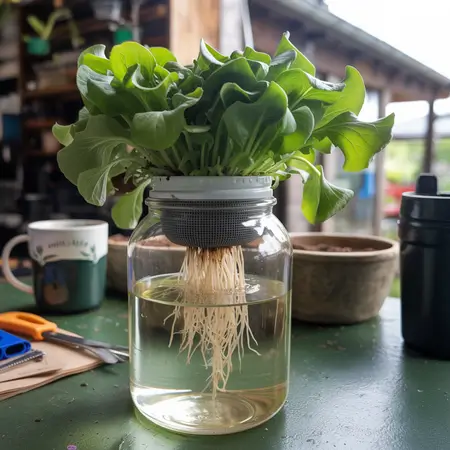
As the plant grows and drinks, the water level drops. The gap between the water and the plant creates an air pocket, so the roots get oxygen naturally. It’s a “set it and forget it” style system.
No electricity, no pumps, no timers. Lettuce and other leafy greens grow beautifully this way.
Tip: Don’t use this method for fruiting plants. They usually need more nutrients and oxygen than Kratky can provide.
8. Mason Jar Hydroponics
Mason jar hydroponics is DIY hydroponics at its simplest. Take a mason jar, add nutrient solution, and place a net cup with a seedling in the lid. Cover the jar with foil or dark tape to block light, which prevents algae growth.
The roots grow down into the jar, drinking up nutrients as they go. It’s fun, affordable, and perfect for trying hydroponics on a very small scale. Great for kitchen herbs like basil or mint.
Tip: Wrap or paint the outside of the jar to keep light out. Clear containers can grow algae fast.
Final Thoughts
Hydroponic gardening may sound like science fiction, but once you break down the methods, it’s really just smart plant care. From the no-tech wick system to high-tech aeroponics, there’s an option for every space and budget.
Personally, I love how even a mason jar can turn into a mini-garden. The best part? You don’t need soil, so it works in apartments, kitchens, or anywhere you’ve got a little light.
If you’re curious, start small with a Kratky jar or wick setup, and see for yourself how easy it is to grow fresh, healthy plants right at home.