
How to Prune Plants: Simple Fall & Winter Tips for a Healthy Garden
Pruning plants can feel scary at first. No one wants to cut the wrong stem or hurt a plant they worked hard to grow. But pruning is simple once you understand what to do. It helps plants grow better, look tidy, and stay healthy. In my own garden, I’ve seen plants bounce back fast after a good trim, almost like they were waiting for it.
In this guide, I’ll walk you through how to prune plants in clear, easy steps. Know the basics you need to cut the right parts, at the right time, in the right way. If you’ve ever looked at a messy plant and thought, “Where do I even start?” this will help.
Let’s keep it simple and learn how to prune plants with confidence.
1. Identify dead, weak, or damaged stems
Start by spotting stems that are dead, brittle, or broken. In fall and winter, these are easy to spot because they often turn brown or gray.
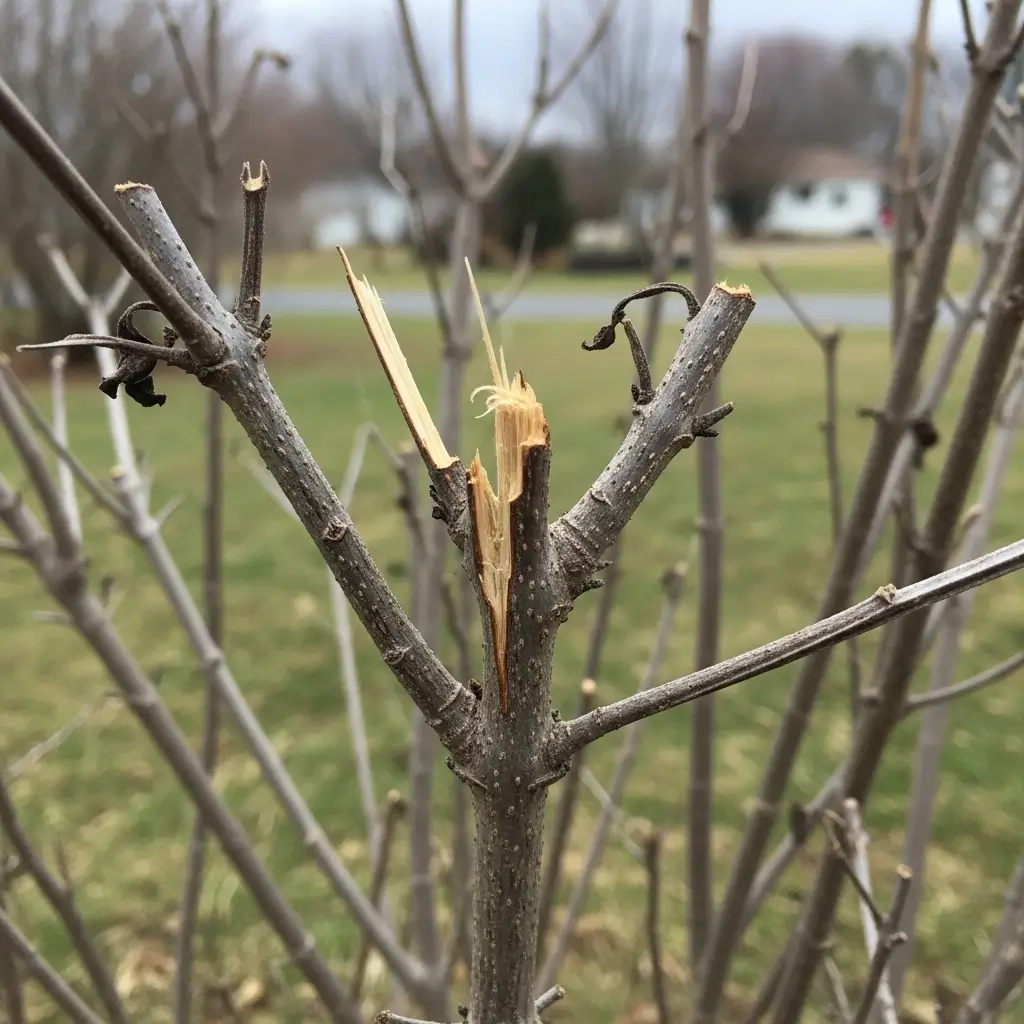
Removing them prevents disease and gives the plant energy for healthy growth. A simple snip now can make your plant look cleaner and healthier.
Do: Cut only the clearly dead parts.
Don’t: Remove healthy stems thinking they’re weak. Wait until spring for those if unsure.
2. Remove any crossing or rubbing branches
Branches that rub or cross each other can cause wounds and invite pests. In colder months, these injuries heal slowly.
Trim the weaker branch to prevent damage and give air and light to the rest of the plant.
Do: Cut carefully at the base of the unwanted branch.
Don’t: Leave rubbing branches. They can cause long-term harm, especially when plants are stressed in fall or winter.
3. Cut back overgrown parts to shape the plant
Overgrown stems can make your plant look messy and prevent light from reaching lower branches.
In fall and winter, cut back long stems slowly, removing only about a third at a time. This prevents shock and helps the plant maintain structure until spring.
Do: Step back to check the shape.
Don’t: Prune too much at once in cold weather; plants recover slowly in winter.
4. Trim spent flowers to encourage new blooms
Old, faded flowers can drain a plant’s energy. In fall, trimming these helps the plant focus on storing nutrients for winter.
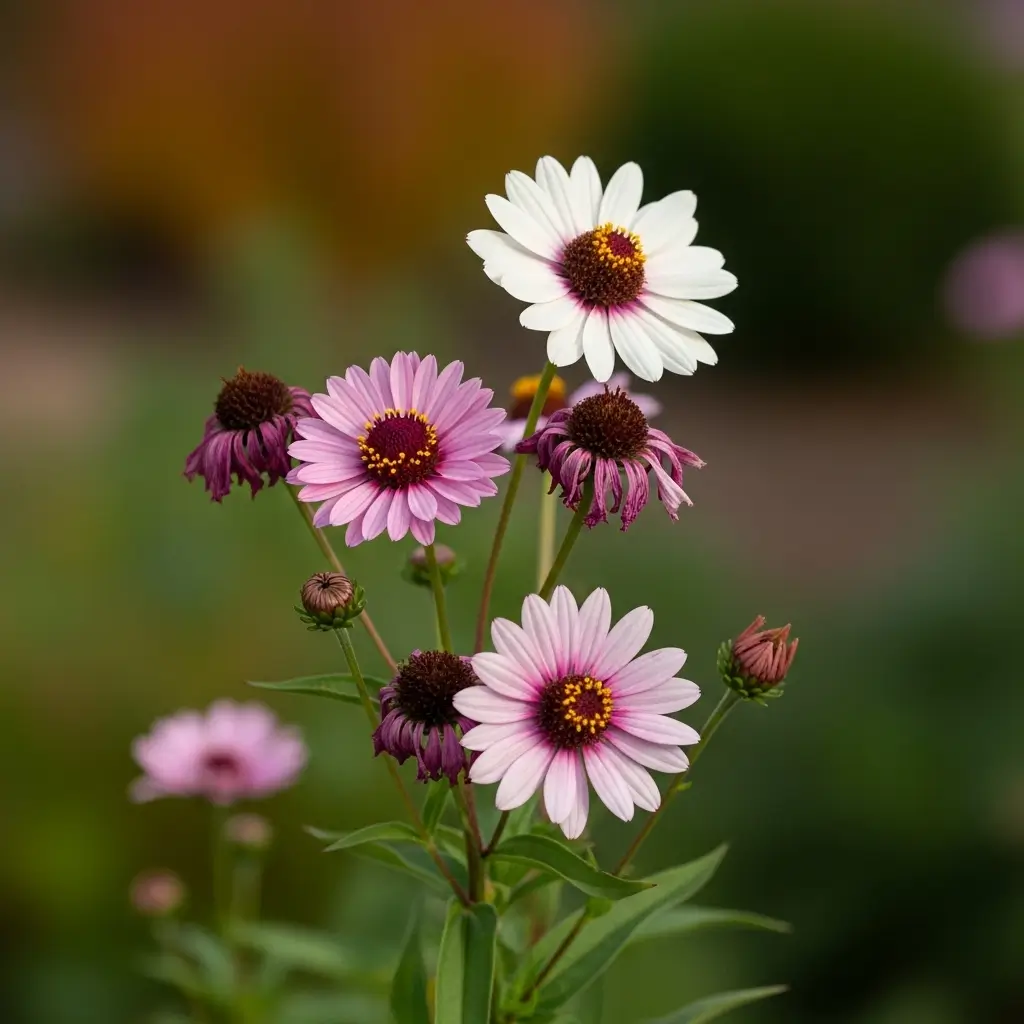
Even though growth is slow, cutting spent blooms cleans the plant and encourages healthy new buds in spring.
Do: Snip flowers just above a leaf node.
Don’t: Cut into healthy stems or buds. Save those for spring growth.
5. Prune from the top down, a little at a time
Work from the top toward the base to maintain shape and control. In fall and winter, plants grow slowly, so small, careful cuts are best.
This method keeps your plant balanced and prevents over-pruning.
Do: Make gradual trims and observe as you go.
Don’t: Rush through pruning; heavy cuts can stress the plant in colder months.
6. Make clean cuts above a leaf node or bud
Always cut just above a leaf node or bud to encourage new growth. Jagged or sloppy cuts can let disease in, which is especially risky in cold, damp fall and winter weather.
Clean cuts heal faster and prepare your plant for spring.
Do: Use sharp shears.
Don’t: Leave jagged edges. These can damage the plant during cold months.
7. Use clean, sharp tools to avoid plant stress
Dull or dirty tools crush stems and spread germs. Wipe your shears with alcohol before use, especially in fall and winter, when wounds heal slowly.
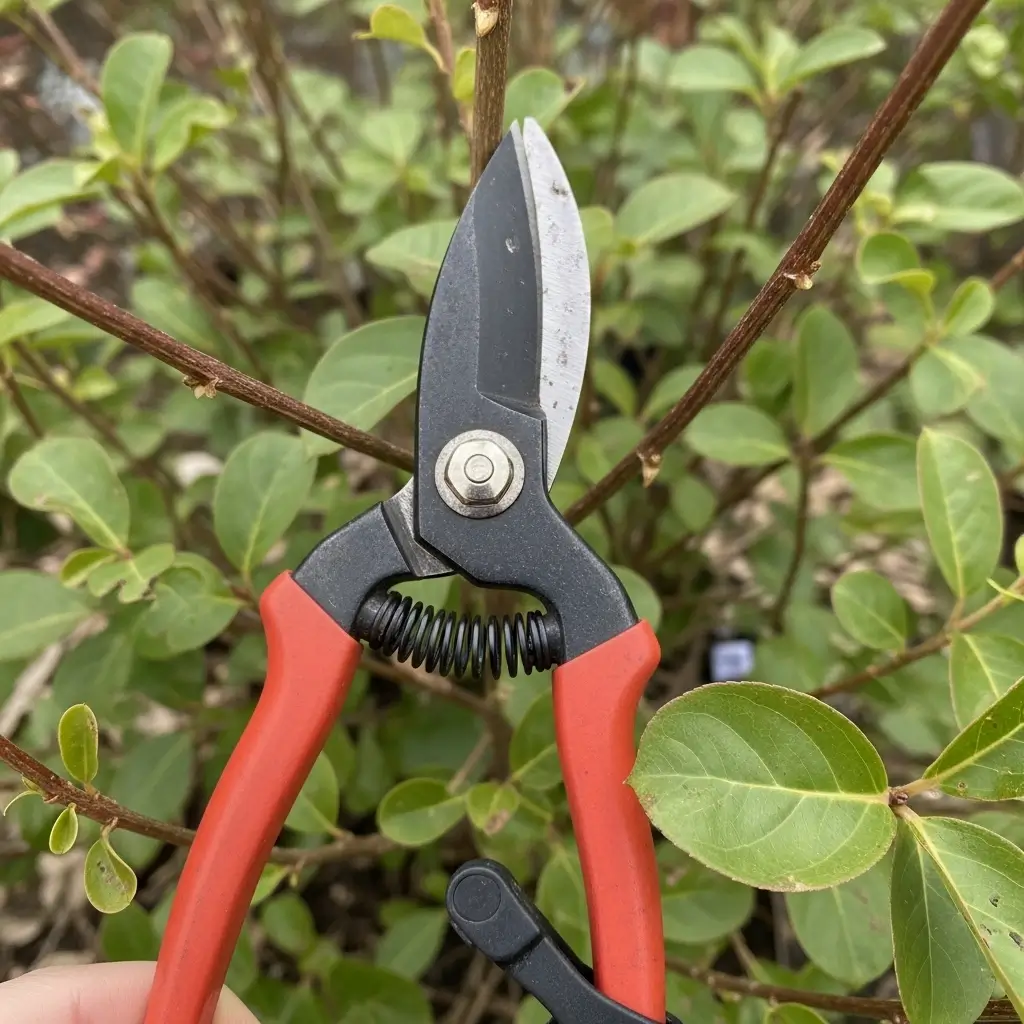
Sharp tools make neat cuts, reducing stress and helping plants survive colder months.
Do: Keep your tools clean and sharp.
Don’t: Skip cleaning. Diseases spread quickly through dirty blades.
8. Step back often to check the plant’s shape
Pruning can be tricky if you focus only on one branch. Step back frequently to see the overall structure.
Winter’s bare branches make it easier to spot uneven growth or areas that need trimming.
Do: Adjust your cuts based on the plant’s natural shape.
Don’t: Keep cutting blindly. Over-pruning can ruin the plant’s winter structure.
9. Avoid heavy pruning during extreme cold
If temperatures drop below freezing, heavy pruning can damage your plant. Fall is perfect for light shaping, but major cuts are safer in late winter or early spring.
Over-pruning in extreme cold may slow recovery or kill sensitive plants.
Do: Wait for milder days for bigger cuts.
Don’t: Prune heavily during frosty weather. Your plant will struggle to heal.
10. Know the plant’s growth habit before cutting
Some plants bloom on old wood, some on new. In fall and winter, knowing your plant type prevents cutting buds that will bloom next season.
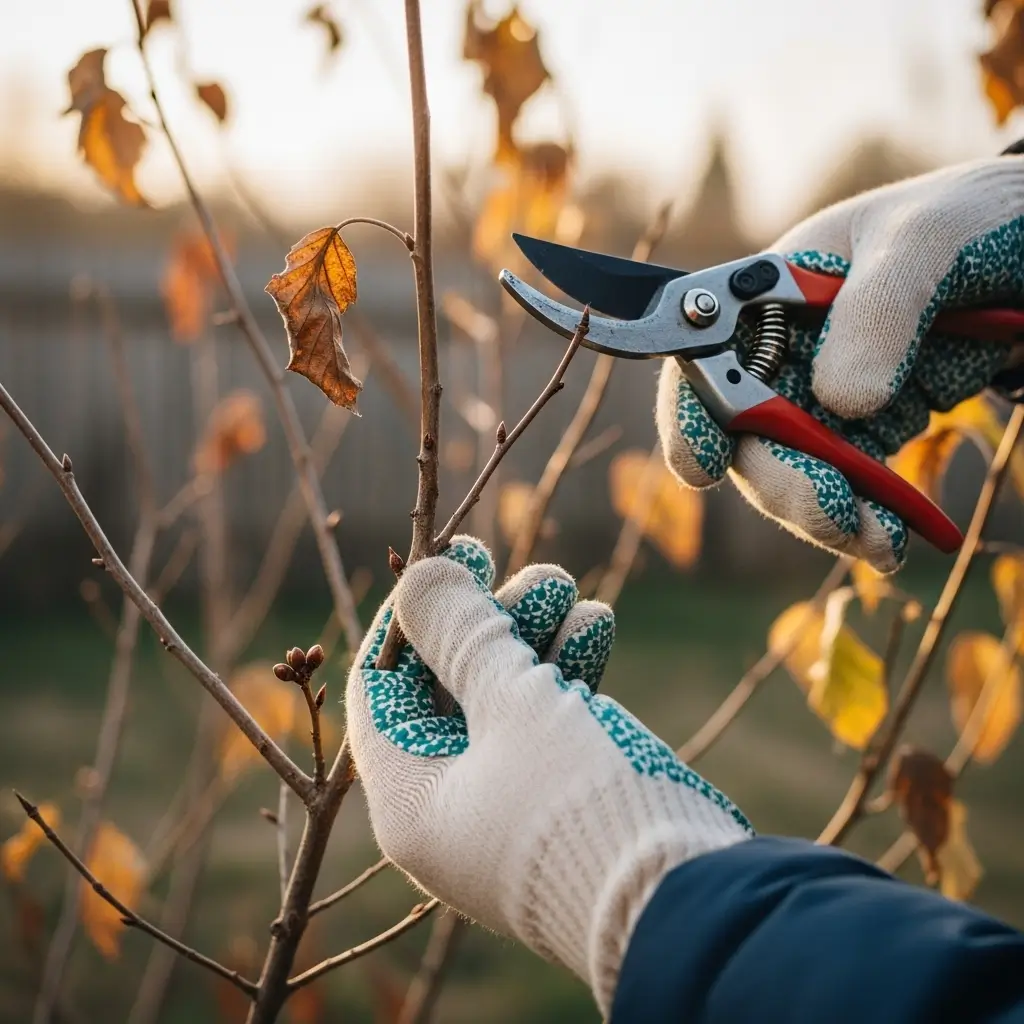
A little research ensures healthy spring growth.
Do: Check plant tags or guides before pruning.
Don’t: Guess blindly. Cutting the wrong stems can ruin next season’s flowers.
Final Thoughts
Pruning in fall and winter may seem slow, but it’s one of the best ways to prepare your plants for spring. Light trims, clean tools, and careful cuts keep your garden healthy and tidy through the colder months.
Remember, small, thoughtful pruning now saves a lot of effort later. With each snip, you’re giving your plants a head start for a vibrant, strong, and beautiful spring garden.