
13 Best Herbs to Grow Indoors for Fresh Flavor All Year
Fresh herbs can change the way your food tastes. A few leaves of basil or a sprig of mint can make a simple meal feel special.
The good news is, you don’t need a big garden to enjoy them. Many herbs grow just fine indoors, right on a windowsill or small shelf.
Growing herbs inside keeps them close at hand for cooking, and it’s easier than most people think. You don’t have to wait for the right season, and you don’t need much space.
With just a little light and care, you can have fresh flavors ready whenever you want. In this list, you’ll find some of the best herbs to grow indoors.
1. Basil
Basil is a favorite in many kitchens. It grows quickly and loves a sunny window. The leaves are soft and smell amazing.
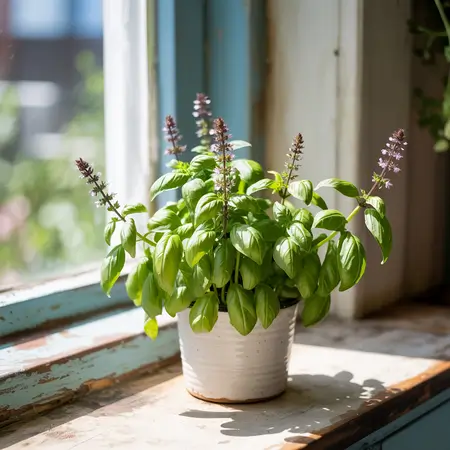
You can pick them fresh for pasta, pizza, or salads. Basil does best if you pinch off the top leaves often, which helps it grow more.
Keep the soil slightly moist, and you’ll have a steady supply. Having basil indoors means you can grab a handful anytime you need a burst of fresh flavor.
2. Mint
Mint is one of the easiest herbs to grow indoors. It spreads fast, so a single pot can give you plenty. Fresh mint is great for tea, desserts, or adding a cool taste to drinks.
This plant likes a little less sun than basil, so it can do well in spots with indirect light. Keep it watered, and you’ll have green leaves ready all year long.
Just be careful. Mint grows quickly and can take over if you don’t trim it back.
3. Parsley
Parsley is more than just a garnish. Fresh parsley adds flavor to soups, salads, and many home dishes. It takes a bit longer to grow from seed, but once it starts, it keeps producing.
Parsley likes bright light and steady water. You can snip the outside leaves first and let the inner ones keep growing.
Having it on your kitchen counter makes it easy to grab for everyday meals. Its fresh, green taste makes food look and feel more lively.
4. Cilantro (Coriander)
Cilantro is loved for its bright flavor, often used in salsa, curries, and soups. Indoors, it grows best in cooler spots with some light.
Cilantro can be a little tricky because it doesn’t last as long as some herbs, but you can grow it in small batches. Snip the leaves while they are fresh, and don’t let the plant get too tall.
Growing cilantro inside means you always have a fresh handful ready when you’re making tacos, rice bowls, or fresh sauces.
5. Chives
Chives are one of the easiest herbs for indoor gardens. They grow in small clumps and don’t need much space. Chives taste like mild onion and are great for topping eggs, baked potatoes, or soups.
You can cut the leaves near the base, and they’ll keep growing back. Chives also bloom with purple flowers if you let them, which makes them fun to keep on a windowsill.
They are hardy and forgiving, making them a good pick for beginners.
6. Thyme
Thyme is a tough little herb that grows well indoors. It has tiny leaves with a strong, earthy flavor. Thyme goes well with roasted veggies, chicken, and soups.
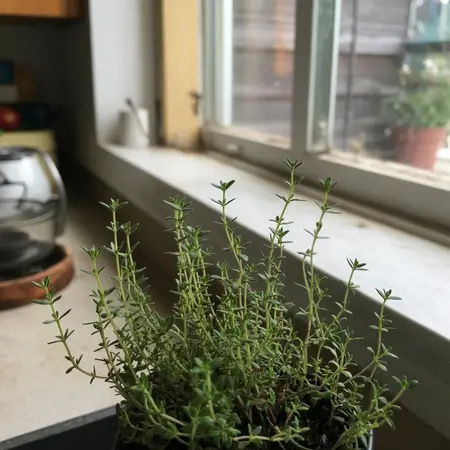
It doesn’t need much water, which makes it easy to care for. Just give it good light, and it will keep growing. You can snip a few sprigs whenever you cook.
Having thyme inside your kitchen gives you fresh seasoning that lasts a long time. It’s a small plant, so it fits in tight spaces too.
7. Oregano
Oregano is another classic cooking herb. It’s often used in Italian and Mediterranean dishes like pizza, pasta, and sauces. Indoors, oregano grows best with lots of sunlight.
The leaves are strong and packed with flavor. You can trim small stems and let the plant regrow. It doesn’t need heavy watering, which makes it easy to maintain.
Oregano is a great herb to have in reach when you want to boost the taste of simple home meals.
8. Rosemary
Rosemary has needle-like leaves and a bold, pine-like smell. It’s one of the most fragrant herbs to grow indoors. Rosemary likes lots of sun and doesn’t need much water.
It can live for a long time if you care for it well. The strong taste makes it perfect for meats, potatoes, and bread. Just rub the leaves between your fingers, and the scent will fill the room.
Having rosemary indoors brings both flavor and freshness to your kitchen.
9. Sage
Sage has soft, gray-green leaves and a rich flavor. It’s often used in stuffing, soups, or roasted dishes. Indoors, sage needs a sunny spot and light watering.
It’s a slow grower compared to basil or mint, but the taste is worth it. The leaves can be used fresh or dried, giving you options for cooking.
Sage also adds a calming look to your herb collection. It’s a sturdy plant that can last a long time with steady care.
10. Dill
Dill has feathery leaves with a fresh, tangy taste. It’s often used in pickles, fish dishes, and salads. Indoors, dill needs a sunny window to do well.
It can grow tall, so a deep pot works best. Dill grows quickly, but it may not last as long as other herbs. The good news is you can keep planting small batches for fresh supply.
Having dill inside makes it easy to add a pop of flavor to lighter meals.
11. Lemon Balm
Lemon balm is part of the mint family, but it has a soft lemon scent. The leaves taste gentle and are great in tea, drinks, and desserts.
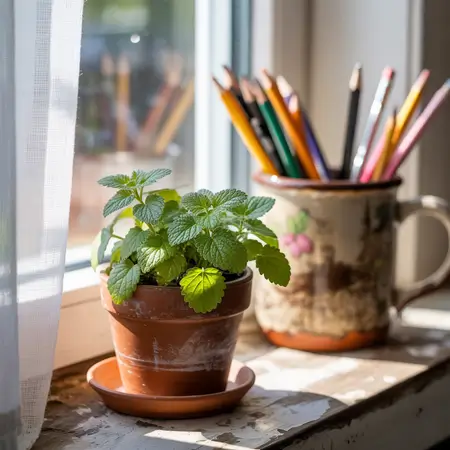
It grows quickly indoors if you give it enough light. Lemon balm also adds a calming smell to your space, making it nice to keep around.
You can trim it often, and it will keep sprouting. It’s a cheerful herb that brings both flavor and a bit of brightness into your kitchen.
12. Tarragon
Tarragon has narrow leaves and a light anise flavor. It’s popular in French cooking but works in many home dishes too. Indoors, tarragon likes bright light and regular trimming.
The flavor is strong, so you don’t need much when cooking. It does best if you let the soil dry slightly between waterings.
Tarragon can be harder to find fresh in stores, so having it indoors makes it handy whenever you want to add a little twist to your food.
13. Bay Laurel
Bay laurel is the plant that gives us bay leaves. The leaves are used to flavor soups, stews, and sauces. Indoors, it grows slowly but can live for many years.
Bay laurel likes lots of sun and a roomy pot as it gets bigger. You can pick the leaves once the plant is established. Just one or two leaves add deep flavor to cooking.
Having bay laurel inside means you always have fresh bay leaves instead of dried ones from the store.
Final Thoughts
Growing herbs indoors is simple, fun, and rewarding. You don’t need a garden, just a sunny spot and a little care.
Each herb brings something special, from basil’s sweet flavor to rosemary’s bold scent. Start with one or two and add more as you go. Before long, you’ll have your own fresh supply ready whenever you cook.