
A Beginner-Friendly Guide to Growing Tomatoes at Home
Growing tomatoes at home is easier than many people think. You don’t need a big yard or fancy tools. With a sunny spot, good soil, and simple care, you can enjoy fresh tomatoes right from your home.
This guide walks you through each step in a clear and simple way, so anyone can follow it. Whether you’re new to gardening or starting again after a break, you’ll learn what to do and what to avoid.
By the end, you’ll feel ready to grow your own tomatoes with confidence and a bit of joy.
1. Choose the right tomato variety for your space
Before you start, think about where you will grow your tomatoes. If you only have a small balcony or windowsill, pick smaller types like cherry or patio tomatoes.
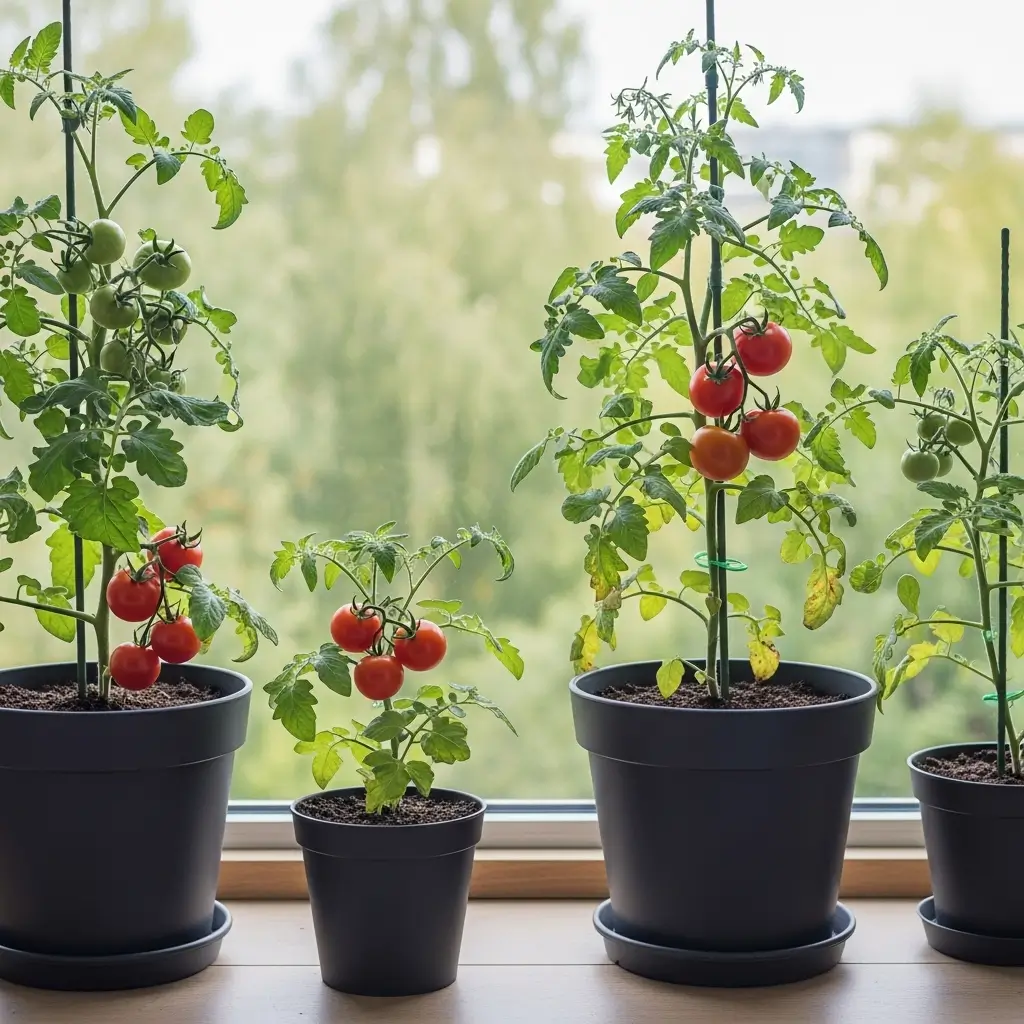
If you have a yard or big containers, you can grow larger varieties. Choosing the right type makes the whole process easier.
When the plant fits your space, it grows better and gives more fruit without extra stress.
2. Pick a sunny spot
Tomatoes love sunlight, and they grow best with at least six hours of full sun each day. Look around your home for the brightest spot, whether it’s a balcony, patio, or sunny window.
A warm place helps the plant grow strong stems and sweet fruit. If your space gets shade in the morning, aim for afternoon sun.
A bright spot makes a huge difference in how many tomatoes you will harvest.
3. Use good-quality soil
Tomatoes need rich, loose soil that drains well. Good soil helps the roots grow deep and strong, which means better fruit later.
Use a potting mix made for vegetables if you are growing in containers. If you are planting in the ground, mix in compost to add nutrients.
Healthy soil keeps your plant steady during hot days and gives it everything it needs without complicated fertilizers.
4. Start with healthy seedlings or seeds
You can begin with seeds or buy small plants from a nursery. If you choose seeds, start them indoors a few weeks before the weather warms up.
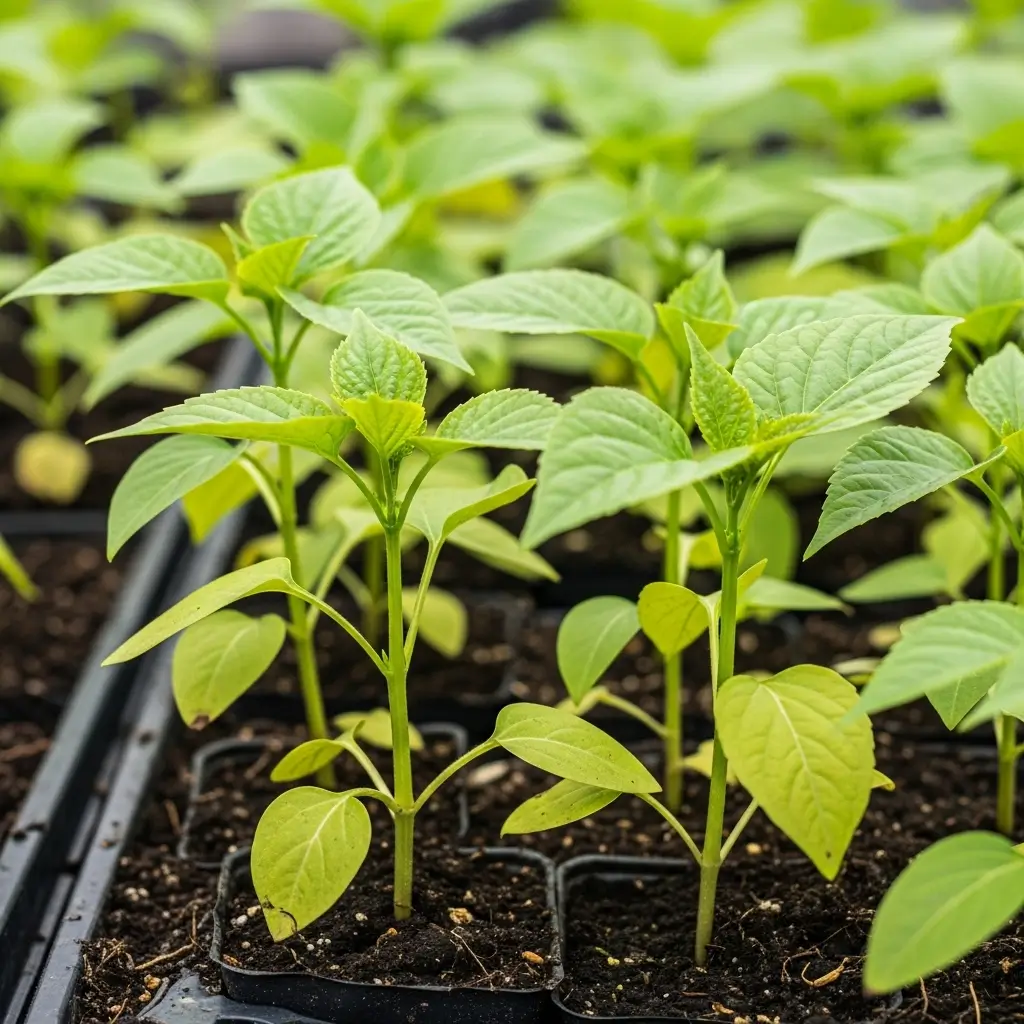
If you use seedlings, pick ones with bright green leaves and strong stems. Avoid plants that look weak or yellow.
Starting with healthy plants makes the growing process smoother and helps you avoid problems later on.
5. Plant them at the right depth
Tomatoes are special because they can grow roots along their stems. When planting, bury the stem up to the first set of leaves.
This helps the plant grow a stronger root system, which leads to better growth. Firm the soil gently and water right after planting.
This step may feel simple, but it gives your tomato plant a strong start and helps it stay steady as it grows taller.
6. Water the plants the right way
Tomatoes like steady moisture, not too dry and not too wet. Water at the base of the plant—not on the leaves—to keep the plant healthy.
Aim to water deeply a few times a week instead of a little every day. Deep watering helps the roots grow down and handle heat better.
In hot weather, check the soil often. If the top inch is dry, it’s time to water again.
7. Add support early (stakes, cages, or trellises)
Tomato plants grow fast, and they need support before they get heavy. Add stakes, cages, or a simple trellis when the plant is still small.
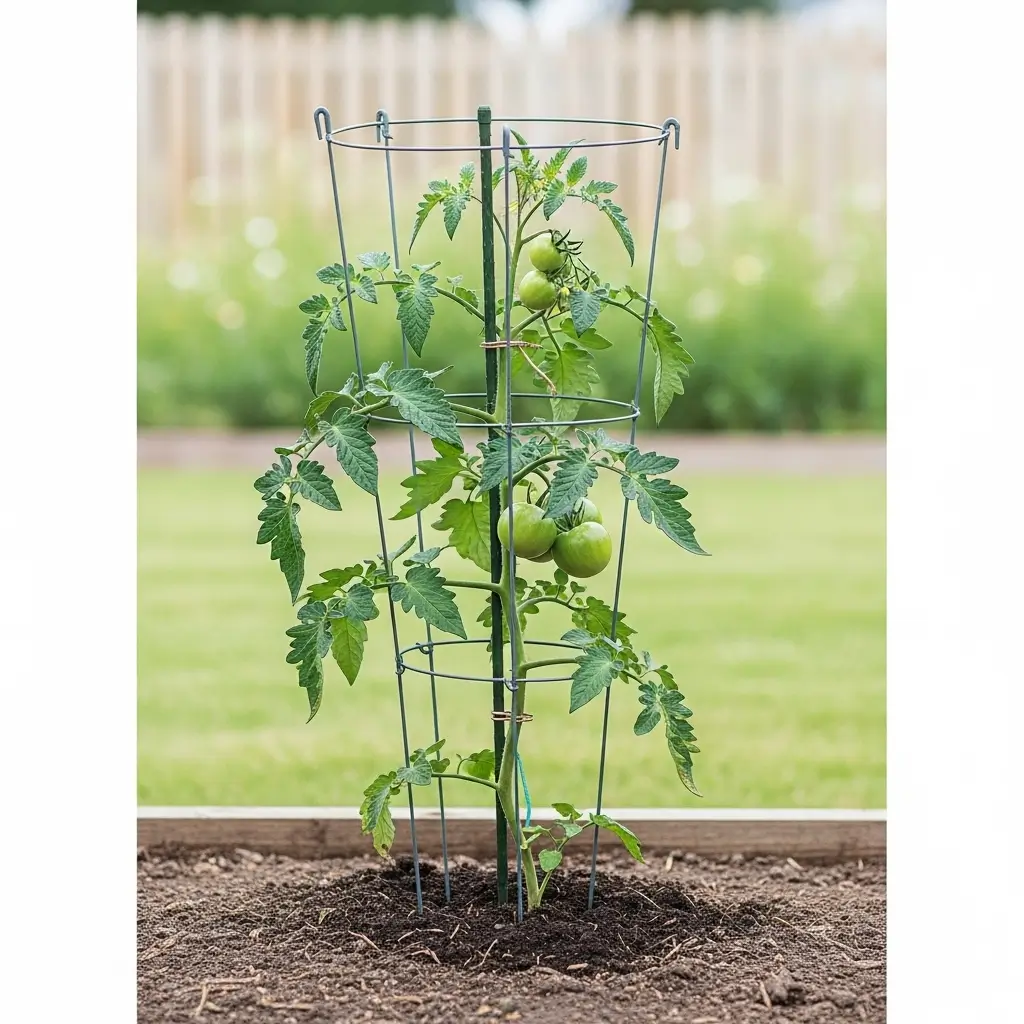
This keeps the plant upright and protects the stems. It also helps air move around the leaves, which keeps them dry and less likely to get sick.
Early support also makes picking tomatoes easier later, without bending branches or losing fruit.
8. Feed the plants as they grow
Tomatoes are hungry plants. They need nutrients as they grow taller and start making flowers. Use a simple vegetable fertilizer or compost every few weeks.
Feeding helps the plant make more fruit and keeps the leaves green. Don’t worry about fancy products. Just stay consistent.
If the leaves turn pale, your plant may need extra feeding. Well-fed tomatoes grow stronger and handle heat and bugs better.
9. Prune lightly to keep plants healthy
Tomatoes grow many side shoots that can crowd the plant. Light pruning helps air flow between the leaves, which keeps the plant clean and healthy.
You don’t need to cut a lot. Just remove small shoots that grow between the main stem and branches. This helps the plant focus on producing fruit instead of extra leaves.
A little pruning also keeps the plant from getting too wild or heavy.
10. Watch for pests and fix issues early
Check your plants often for tiny bugs like aphids, whiteflies, or caterpillars. If you catch them early, they are easy to manage.
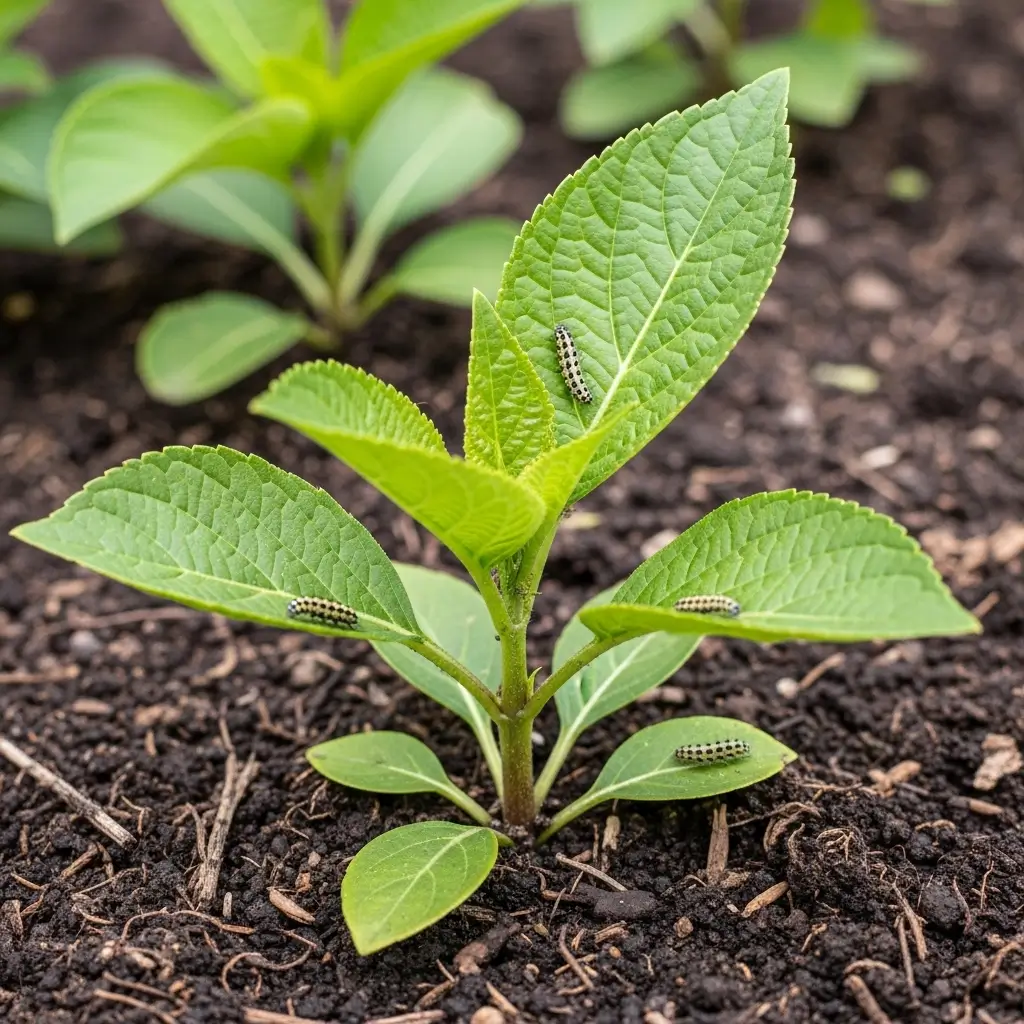
You can remove pests by hand or spray the plant with water. Keep the area clean and remove dry leaves from the soil.
Healthy plants can fight off most problems on their own, but early care saves you from bigger issues later in the season.
11. Harvest at the right time
Tomatoes taste best when they are fully ripe. Look for bright color and a gentle softness when you touch them. Pick them when they come off the stem easily.
Don’t rush. A tomato that ripens on the plant has the best flavor. If you pick them a bit early, let them finish ripening on your counter.
Homegrown tomatoes are sweeter and juicier than store-bought ones, so enjoy the moment.
Final Thoughts
Growing tomatoes at home doesn’t need special skills or a big garden. With sun, good soil, and simple care, anyone can do it.
Each step builds a stronger plant and brings you closer to your first ripe tomato. And once you taste your own homegrown fruit, you’ll want to grow them every year.
It’s a small joy that brings color, flavor, and a bit of pride to your home—one tomato at a time.