
15 Must-Know Gardening Safety Tips for Every Gardener
Gardening is one of the best ways to relax and enjoy nature. It feels good to dig in the soil, plant new life, and watch it grow. But while gardening can be fun, it’s also important to stay safe.
Many people forget that even simple tasks like lifting pots, using tools, or being out in the sun can cause injuries if you’re not careful. That’s why knowing a few safety tips makes a big difference.
In this guide, we’ll go over practical ways to keep yourself safe while still enjoying your time in the garden.
1. Wear the Right Gloves
Gloves are your best friend in the garden. They protect your hands from cuts, scrapes, and even bug bites. A good pair also keeps your skin safe from thorny plants and chemicals in the soil.
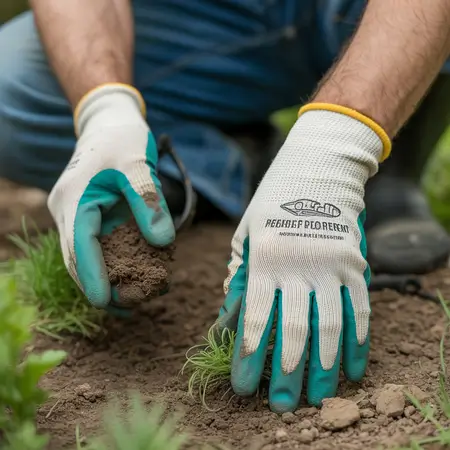
Choose gloves that fit well so you can move your fingers easily. If you work with prickly plants like roses, thicker gloves are best.
For lighter tasks, cotton or rubber-coated gloves will do. Think of them as a shield between your hands and the garden.
2. Protect Your Back When Lifting
Heavy pots, soil bags, and tools can strain your back if lifted the wrong way. Instead of bending at the waist, bend your knees and lift with your legs.
Keep the item close to your body to avoid twisting. If something feels too heavy, don’t risk it. Use a wheelbarrow or ask for help. Protecting your back means you’ll be able to keep gardening for years without pain.
3. Use Tools the Safe Way
Garden tools are helpful, but they can also cause accidents if misused. Always hold tools with a firm grip and keep them sharp, so they work smoothly.
Don’t leave tools lying around where you can trip on them. When using sharp items like pruners or shears, cut away from your body. A little care goes a long way in keeping your hands and feet safe while you work.
4. Stay Hydrated in the Sun
Working outside under the sun can make you sweat more than you realize. Always keep a water bottle close by and take sips often.
Dehydration can sneak up on you and cause dizziness or headaches. If the day is extra hot, try gardening in the morning or evening when it’s cooler.
Staying hydrated keeps your body strong and your gardening time enjoyable.
5. Protect Your Skin from Sunburn
Spending hours outdoors without protection can lead to painful sunburns. Always wear sunscreen with SPF 30 or higher and reapply every few hours.
A wide-brimmed hat and sunglasses can also shield your face and eyes. Long-sleeve shirts made of light fabric are great for blocking the sun while keeping you cool.
Protecting your skin means you can enjoy gardening without the burn later.
6. Wear Proper Footwear
Flip-flops or barefoot gardening may sound fun, but they’re not safe. Sharp tools, thorns, and insects can all injure unprotected feet. Choose sturdy shoes with closed toes to protect yourself.
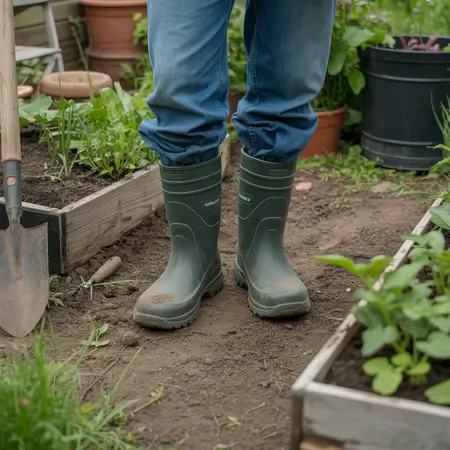
Waterproof boots are a good choice if you’re working in wet soil. With the right footwear, you’ll avoid cuts, stings, and slips while moving around the garden.
7. Keep Tools Clean and Sharp
Clean and sharp tools don’t just work better, they’re safer, too. Dirty tools can spread plant diseases, while dull blades need more force and can slip.
After each use, wipe your tools and store them in a dry place. Sharpen blades regularly to keep them effective. A little care helps tools last longer and keeps you safe while using them.
8. Be Careful with Chemicals
Fertilizers, weed killers, and bug sprays can be helpful, but they also carry risks. Always read the labels and follow instructions closely.
Wear gloves when handling chemicals and keep them away from your eyes and mouth. Store them in a safe spot out of reach of kids and pets.
If you prefer, try natural options like vinegar sprays or compost. Safety first, even with garden helpers like chemicals.
9. Watch Out for Insects and Allergies
Gardens are home to bees, wasps, and other insects. Some bites or stings can cause allergic reactions. Always be alert when reaching into plants or moving soil.
If you know you’re allergic, keep an emergency kit nearby. Wearing gloves and long sleeves can help protect your skin. A little awareness keeps insects from turning your garden day into an emergency.
10. Take Breaks and Don’t Overdo It
It’s easy to lose track of time while gardening, but working too long can tire your body. Take short breaks to rest, stretch, and sip water. Listen to your body.
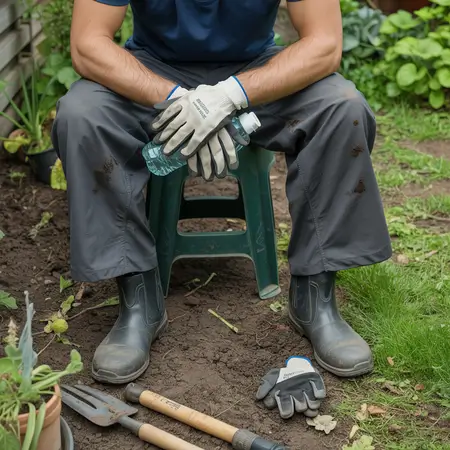
If your muscles feel sore, it’s time to stop. Gardening should feel joyful, not exhausting. Regular breaks help you enjoy the process and avoid injuries.
11. Keep Your Garden Area Clear of Hazards
A tidy garden is a safer garden. Clear away rocks, sticks, or hoses that could cause trips and falls. Make sure pathways are easy to walk on and free from clutter.
If you work in the evening, add good lighting so you can see clearly. Keeping your space safe lets you focus more on planting and less on accidents.
12. Store Tools Safely After Use
Leaving tools lying around is an accident waiting to happen. Always put them back in their place after use. Hang sharp tools on hooks or store them in a shed where they can’t cause harm.
If children or pets are around, lock the storage space for extra safety. A few extra minutes of cleanup will protect everyone in your home.
13. Use Eye Protection When Needed
Trimming branches, cutting grass, or using power tools can send small bits flying toward your face. A simple pair of safety glasses can prevent painful eye injuries.
They’re lightweight and easy to wear but make a big difference in protection. Don’t take risks with your eyes. Once they’re hurt, it’s hard to fix. Better safe than sorry.
14. Bend or Kneel Safely to Avoid Strain
Kneeling or bending the wrong way can cause sore muscles or even long-term pain. Use a kneeling pad or garden stool to protect your knees.
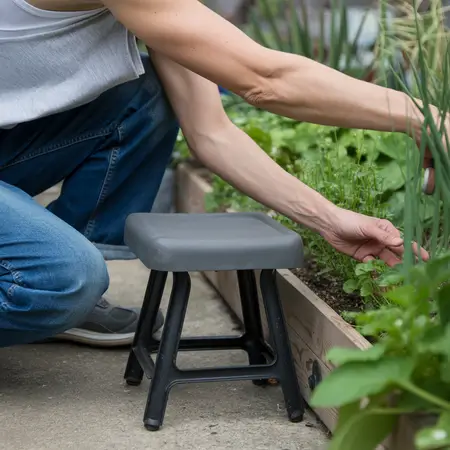
Switch positions often so you’re not straining one part of your body. Gardening should be comfortable, not painful. Paying attention to posture will keep your body happy while you work.
15. Keep Children and Pets Safe in the Garden
Kids and pets love to play in the garden, but some tools and plants can be dangerous. Keep sharp tools and chemicals far out of reach.
Choose non-toxic plants if little ones or animals like to explore. Supervise playtime to make sure everyone stays safe. A safe garden means fun for the whole family.
Final Thoughts
Gardening is a wonderful hobby, but safety should always come first. With the right habits you can avoid injuries and enjoy your time outdoors.
These simple tips make gardening safer, healthier, and more fun. Remember, a safe gardener is a happy gardener!