
Gardening for Beginners: 15 Simple Ideas to Start Today
Starting a garden can feel big, but it doesn’t have to be hard. You don’t need a large yard or fancy tools to begin. Gardening is really just about giving plants the right care so they can grow. It’s simple, calming, and fun to watch something you planted come to life.
This guide is for beginners who want clear steps and ideas without the extra noise. We’ll go through easy ways to start, from picking the right plants to keeping them alive.
Whether you have a backyard, a balcony, or just a few pots by a sunny window, you can build a small garden that works for you.
Let’s look at some beginner-friendly ideas to get your garden growing.
1. Start Small with Pots or Containers
Big gardens can feel overwhelming, so it’s best to start small. A few pots on your balcony, patio, or even a sunny window can be enough.
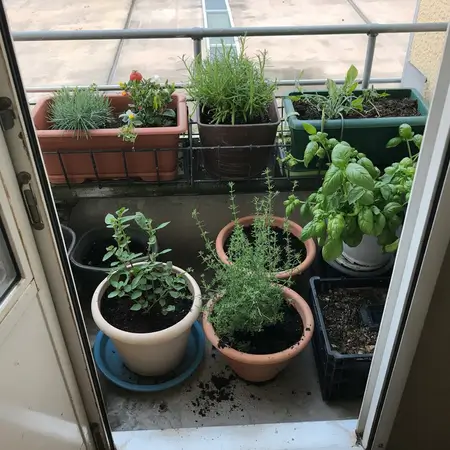
Containers are easy to manage, move around, and water. You can try flowers, herbs, or even small veggies. It’s also less costly to begin with containers, which makes it easier if you’re unsure about gardening yet.
Once you get the hang of it, you can grow more plants or even plan for a larger garden space. Small steps lead to big wins!
2. Pick Easy-to-Grow Plants First
As a beginner, it’s smart to start with plants that don’t need much fuss. Lettuce, basil, mint, marigolds, or even cherry tomatoes are great options.
These plants grow quickly and give you a sense of success early on. Seeing something sprout and thrive keeps you motivated.
Avoid plants that are too delicate or need special care. With simple plants, you’ll build your skills and gain the confidence to try harder ones later. Gardening becomes much more fun when you see results right away.
3. Choose the Right Spot with Sunlight
Plants need sunlight to grow strong and healthy. Before planting, look around your home or yard and notice where the sun shines the most.
Most vegetables and flowers need at least 6 hours of sunlight a day. If you don’t have much natural light, pick plants that can handle shade, like ferns or lettuce.
You can also move pots around to find the best spots. Paying attention to sunlight early on will save you a lot of stress and keep your plants thriving.
4. Learn the Basics of Watering
Watering is one of the most important parts of gardening, but also where many beginners go wrong. Too much water can drown the roots, and too little will dry them out.
A good rule is to check the soil. If the top feels dry, it’s time to water. Early morning or late evening is the best time so the water doesn’t dry out fast in the sun. Over time, you’ll learn how much each plant really needs.
5. Understand Soil and Use Good Potting Mix
Healthy soil is the secret to healthy plants. Good soil has the right balance of nutrients, drains well, and still holds enough water.
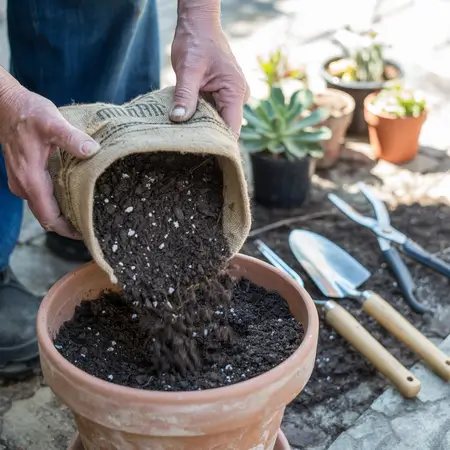
For beginners, buying a ready-made potting mix is the easiest option. If you’re planting in the ground, loosen the soil and remove rocks or weeds before planting.
Plants grow much better insoil that’s not too heavy or too sandy. Think of soil as the “home” for your plants. It’s worth giving them a good one!
6. Try Growing Herbs for Quick Wins
Herbs are one of the best ways for beginners to start gardening. Basil, mint, chives, and parsley are easy to grow and can even thrive on a sunny windowsill.
They don’t take up much space, and you’ll love being able to pick fresh herbs while cooking. Herbs grow quickly, so you’ll see results faster than many other plants.
They also smell great and bring life into your home or garden. Nothing feels better than adding your own homegrown herbs to your meals.
7. Use Raised Beds for Easy Maintenance
If you have a yard and want something a little bigger, raised beds are a good choice. A raised bed is simply a box filled with soil where you plant directly.
It keeps the soil healthy, makes watering easier, and helps control weeds. Raised beds also look neat and organized, making your garden space more enjoyable.
You can build one yourself with wood or bricks, or buy a ready-made one. For beginners, raised beds give more control and less stress than planting straight into the ground.
8. Learn to Compost Simple Kitchen Waste
Composting may sound advanced, but it’s simple. You can start by saving food scraps like fruit peels, coffee grounds, and eggshells. These can break down into natural fertilizer for your plants.
Composting helps reduce waste and gives your plants the nutrients they need to grow stronger. You don’t need a big compost bin to begin.
Just start small with a bucket or container. Over time, you’ll have rich, dark compost that your plants will love. It’s like recycling for your garden!
9. Keep Tools Simple – Only What You Need
It’s easy to think you need lots of tools, but beginners only need a few basics. A small hand shovel, watering can, and a pair of gloves are enough to get started.
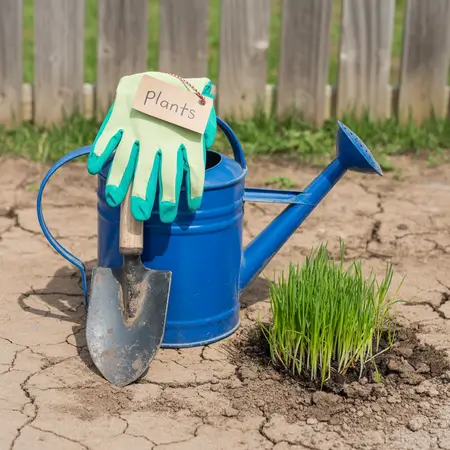
As you gain experience, you can add more tools if needed. Buying too many things at once can feel overwhelming and cost too much.
Start with the basics, learn how to use them well, and then add tools as your garden grows. Keeping it simple helps you focus on the plants.
10. Try Seasonal Flowers for Color
Flowers are a great way to bring instant joy to your garden. Choose seasonal flowers that grow well in your local area and climate. Marigolds, petunias, and sunflowers are bright, cheerful, and easy for beginners.
Flowers add beauty, attract pollinators, and make your space feel alive. You can mix them with vegetables or grow them in separate pots.
Watching colorful blooms open each season keeps gardening exciting and rewarding. Plus, they make your outdoor space more welcoming and fun to spend time in.
11. Label Plants to Track Progress
When you’re just starting out, it’s easy to forget what you planted and where. Use simple labels or markers for your plants.
You can write the plant’s name and the date you planted it. This helps you track growth and remember what each plant needs. It’s also fun to look back and see how far your plants have come.
Labels don’t need to be fancy. You can use popsicle sticks, stones, or even scraps of wood. It’s a small step that makes a big difference for beginners.
12. Don’t Fear Mistakes – Learn as You Grow
Every gardener makes mistakes, especially at the start. Maybe you water too much, pick the wrong plant, or forget to trim. That’s okay. Gardening is about learning.
Each mistake teaches you something new. Instead of getting discouraged, take notes and try again. Plants are forgiving, and there’s always another season to grow.
Over time, you’ll figure out what works best for you. The key is to keep going and enjoy the process. Remember, no garden is perfect, and that’s part of the beauty.
13. Trim, Trim, Trim!
Trimming, or pruning, is a simple but powerful skill in gardening. Cutting off dead or extra leaves helps your plants grow stronger and healthier. It also keeps plants from getting too messy or crowded.
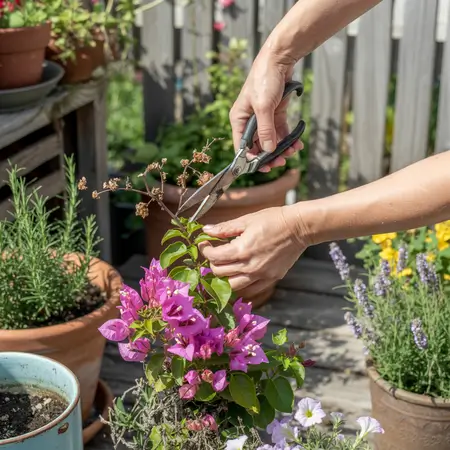
For beginners, light trimming every now and then is enough. Don’t be afraid. Plants usually bounce back quickly. Think of trimming like giving your plants a haircut.
It may feel odd at first, but soon you’ll see how much better they look and grow. Healthy plants often come from regular care like this.
14. Attract Pollinators
Pollinators like bees, butterflies, and even hummingbirds are your garden’s best friends. They help plants make fruits and flowers by spreading pollen. To
attract them, plant flowers such as lavender, sunflowers, or marigolds. Avoid using harmful chemicals that could drive them away. A garden buzzing with pollinators is a sign of a healthy, happy space.
Plus, watching butterflies and bees move around your plants adds beauty and excitement to your garden. Beginners should remember: pollinators do a lot of the work for you!
15. Pay Attention to Planting Zones
Different plants grow in different climates. That’s why planting zones are helpful. A planting zone shows you what plants can survive in your area.
Beginners should check which zone they live in before picking plants. This way, you won’t waste time or money on something that won’t grow well where you are.
Most plant tags or seed packets tell you the right zone. Paying attention to this detail saves frustration and sets you up for success. Smart choices lead to a healthier, happier garden.
Final Thoughts
Gardening doesn’t have to be perfect or complicated. Start small, pick simple plants, and learn as you go. Each season teaches you something new, and every little success feels amazing.
The more you practice, the better your garden will grow. Most of all, enjoy the process. Your garden is your space to create, learn, and relax.
So grab a pot, plant a seed, and watch how even the smallest garden can bring joy into your life.