
Flower Gardening for Beginners: Easy Tips You’ll Wish You Knew Sooner
Starting a flower garden can feel a little overwhelming. I remember that feeling well. When I planted my first flower bed, I worried about choosing the wrong plants or accidentally killing everything in the first week.
But here’s the truth: flower gardening is much simpler than it seems, and you can grow something beautiful even as a complete beginner.
In this guide, I’m breaking everything down into easy steps anyone can follow. You won’t need a huge yard, expensive tools, or hours of free time. Just a few plants, good soil, and a little patience are enough to get you started.
Let’s keep it simple, take it one step at a time, and grow a space you’ll love coming home to.
1. Start with Easy Flowers for Beginners
When you are new to flower gardening, picking the right flowers makes everything easier. Choose plants that can handle small mistakes and keep growing.
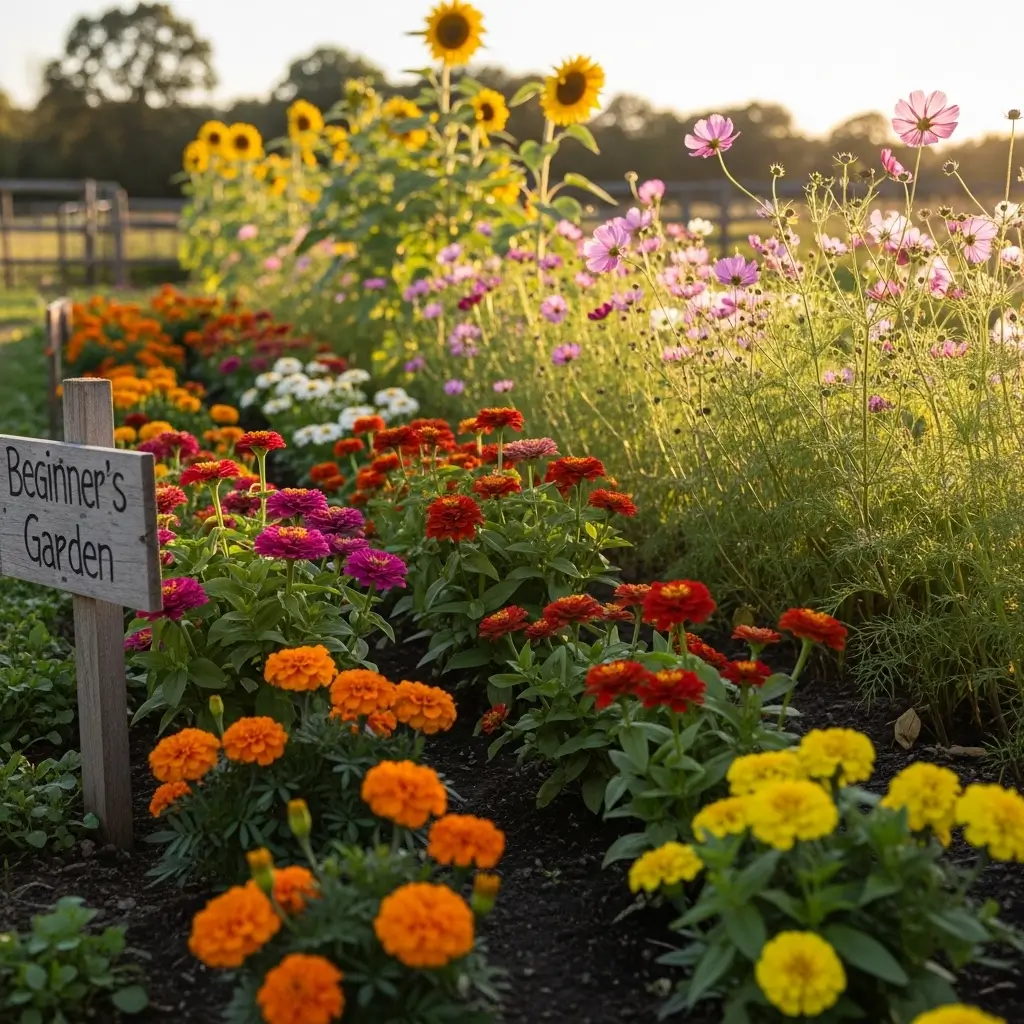
Flowers like marigolds, zinnias, cosmos, and sunflowers are great for beginners. They grow fast, bloom for a long time, and don’t need a lot of special care.
Starting with easy flowers builds your confidence. When you see your garden growing, you feel proud and ready to try more. Simple plants help you learn without stress.
2. Pick the Right Spot with Enough Sunlight
Flowers need sunlight to grow strong and bloom well. Most flowers need at least six hours of sunlight each day. Before planting, watch your yard or space and see where the sun hits the most.
If you have shade, don’t worry, there are flowers that grow well there too. Picking the right spot from the start saves a lot of trouble later.
Your flowers will grow healthier, brighter, and happier when they get the light they need.
3. Test and Prepare Your Soil
Good soil is one of the most important parts of gardening. You don’t need to be an expert to check your soil. Pick up a handful, is it sandy, sticky, or rich and crumbly?
Flowers grow best in soil that drains well but still holds some moisture. Adding compost or garden soil mix can make a big difference.
Healthy soil gives roots what they need to grow strong. When your soil is right, your flowers have a better chance to bloom.
4. Learn How Often to Water
Many new gardeners guess with watering, and that is where problems begin. Too much water can rot roots, and too little can dry plants out.
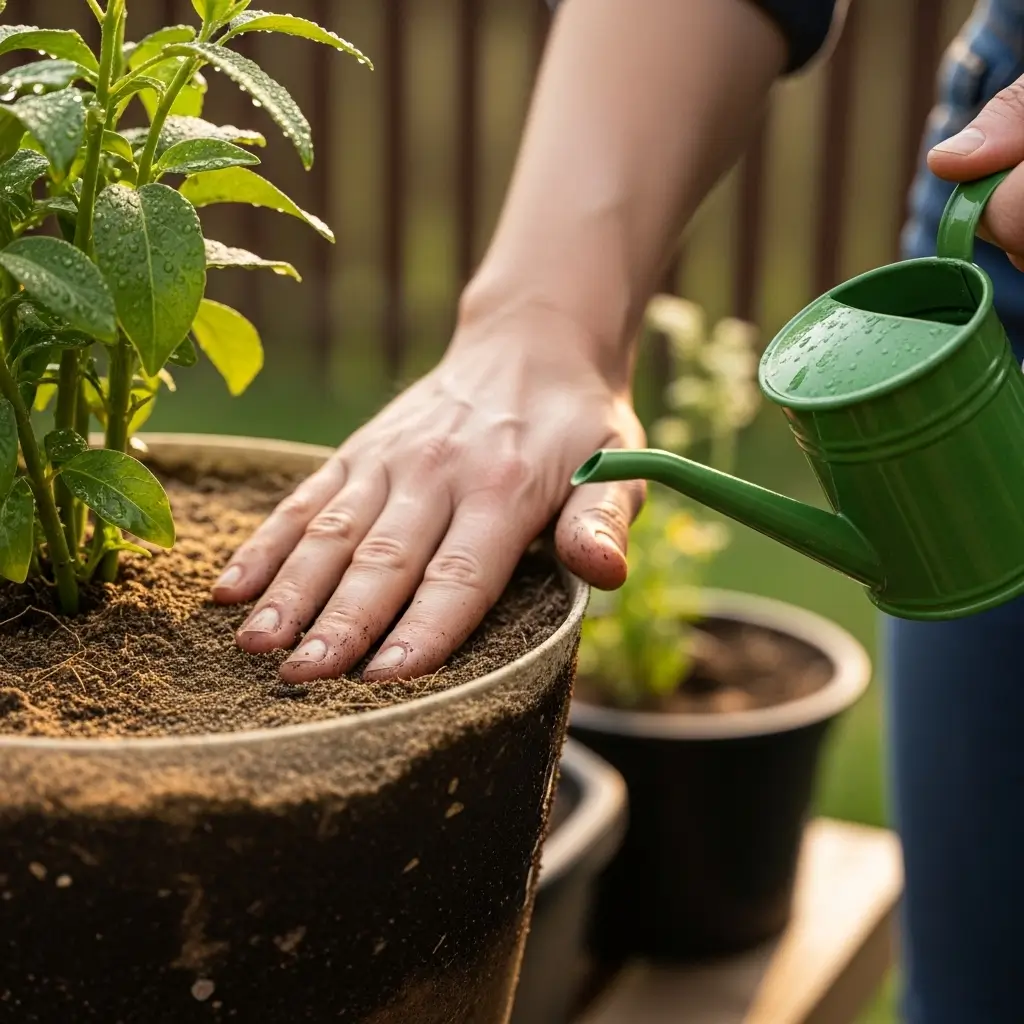
A simple rule is to water when the soil is dry about one inch down. Morning watering is best because plants can drink before the heat of the day.
Over time, you will learn how your plants act when they are thirsty. Pay attention and water slowly so the soil can soak it in.
5. Start Small and Grow Over Time
It is easy to get excited and plant too much at once, but starting small is the better choice. A small garden lets you practice, learn, and make changes without feeling overwhelmed.
A few pots, a narrow bed, or even one corner of the yard is enough to begin. As you gain skill and confidence, you can add more plants and space.
Gardening is a journey, not a race. Small steps lead to a garden you can manage and enjoy.
6. Use Mulch to Keep Soil Healthy
Mulch is a simple trick that solves many beginner problems. It helps keep soil moist, stops weeds from growing, and keeps roots cool in hot weather.
You can use wood chips, straw, grass clippings, or even shredded leaves. Spread a layer a few inches thick around your flowers, but not touching the stems.
Mulch makes your garden look neat and protects your plants at the same time. It also breaks down slowly and feeds the soil. It’s easy and very helpful.
7. Choose the Right Tools (Only the Basics)
You don’t need a garage full of tools to start gardening. A few basic items are enough: a trowel for digging, gloves to protect your hands, clippers for trimming, and a small watering can or hose.
Keeping your tools simple saves money and keeps things stress-free. You can always add more later if you need them.
Good tools make gardening easier and more enjoyable. Start with a small set, take care of them, and they will last a long time.
8. Learn the Difference Between Annuals and Perennials
Knowing the difference between these two types of flowers helps you plan better. Annuals bloom for one season, then die at the end of the year.
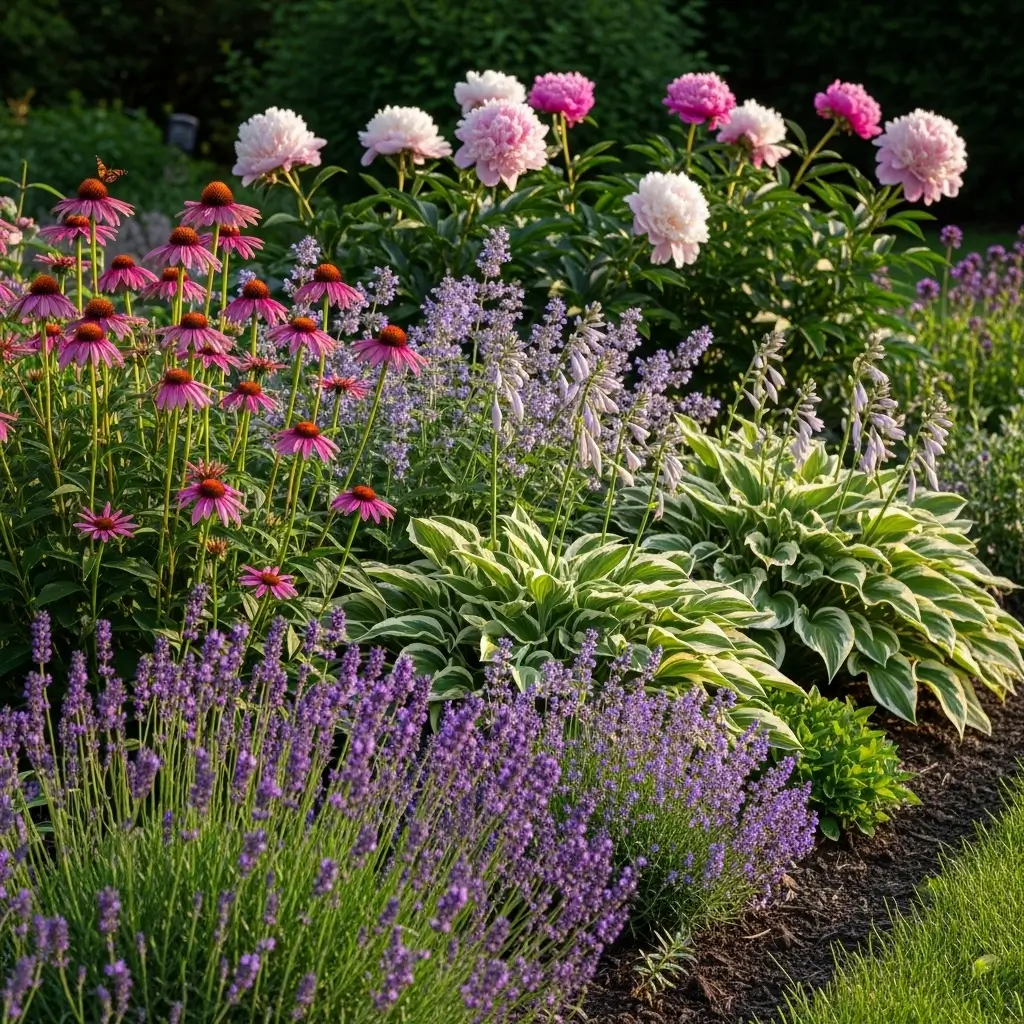
They give bright color fast and look great quickly. Perennials return year after year and often get bigger with time. They are great for building a stable garden.
Many gardeners mix both annuals for instant color and perennials for long-term growth. Understanding this helps you pick the right plants for your space and goals.
9. How to Plant Flowers the Right Way
Planting is not hard, but a few simple steps make a big difference. Dig a hole twice as wide as the plant’s pot, but not deeper.
Gently loosen the roots before placing the plant in the ground. Fill the hole with soil and press lightly to remove air pockets.
Water slowly so the soil settles around the roots. Give the plant time to adjust before expecting fast growth. With careful planting, flowers settle in faster and stay stronger.
10. Feed Your Plants Without Overdoing It
Just like people, flowers need food to grow strong. You can use compost, organic fertilizer, or a simple slow-release plant food. But more is not always better.
Too much fertilizer can burn roots and cause plants to grow weak or leafy instead of blooming. Follow directions and feed only when needed.
Healthy soil often provides enough food on its own. When plants get the right amount, they grow steady, bloom brighter, and stay healthy for the season.
11. Watch for Common Problems and Fix Them Early
Even healthy gardens can have issues, but catching them early makes them easier to solve. Look for signs like wilted leaves, yellow spots, bugs, or plants not growing well.
Sometimes the problem is too much water, too little water, not enough sun, or hungry bugs. When you check your garden often, problems never get too big.
Learning to spot changes helps you understand your plants. Over time, you will start noticing small signs before they become major problems.
12. Dealing with Pests and Diseases Naturally
You don’t need strong chemicals to protect your garden. Simple steps can help keep pests under control. Start by keeping plants healthy. Strong plants fight pests better.
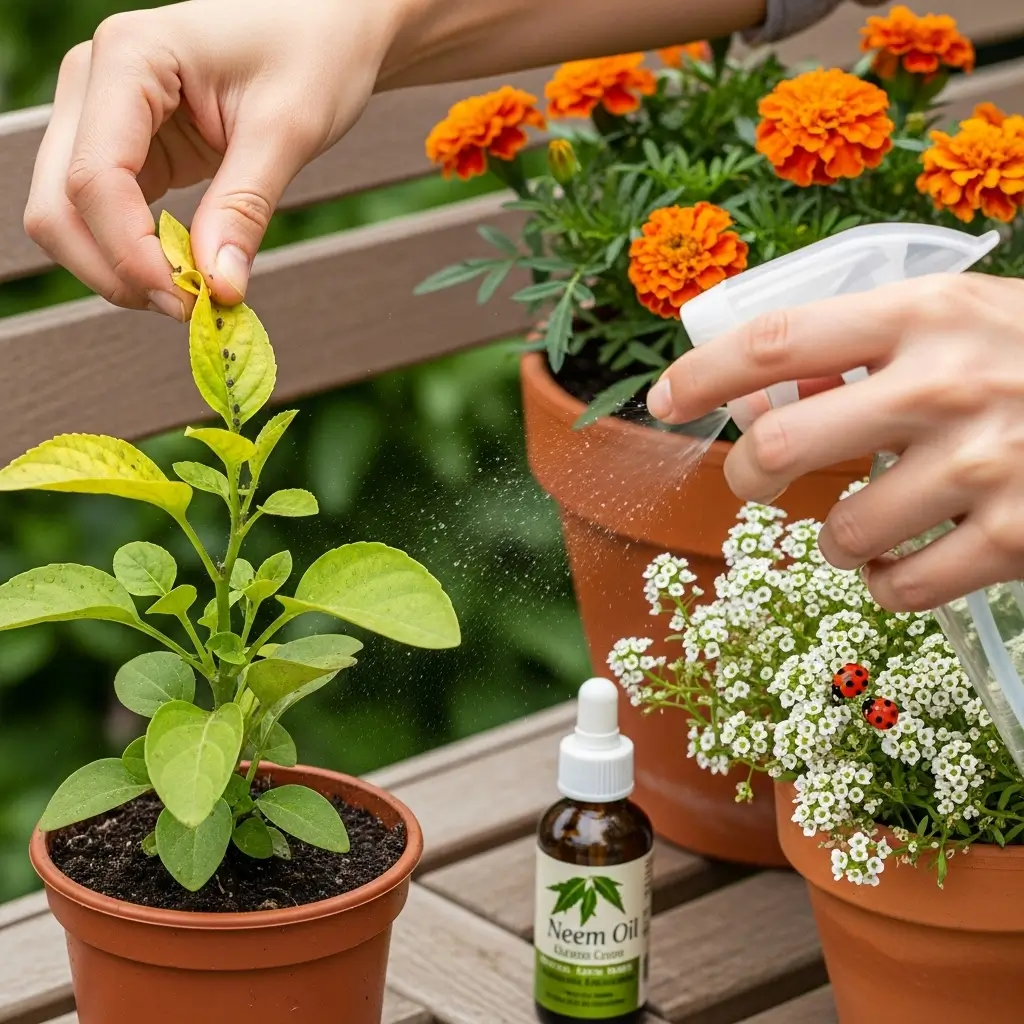
Remove damaged leaves, spray with soapy water for soft-bodied insects, and use neem oil if needed. You can also plant flowers that attract helpful insects like ladybugs.
Nature has many solutions that are gentle and safe. A careful eye and simple treatments keep your garden blooming without harsh methods.
13. Keeping Your Garden Free of Weeds
Weeds compete with your flowers for sunlight, food, and water. Pulling them regularly keeps plants healthy and makes the garden look neat.
The best time to pull weeds is when the soil is damp, because roots come out easier. Mulch is also a great way to block weeds before they start growing
Small, steady effort works better than waiting until weeds take over. Keeping ahead of weeds helps your flowers stay strong and gives your garden a clean and tidy look.
14. Enjoy the Process and Learn as You Go
Flower gardening is not about being perfect. It is about learning, growing, and enjoying the journey. Some plants may fail, and that is normal.
Every gardener has plants that don’t make it. The important part is that you keep going. Celebrate the wins. Your first bloom, a seed that sprouted, or a bed that looks better than last month.
Gardening brings peace, joy, and pride. With each season, you learn more and become a better gardener.
Final Thoughts
Flower gardening for beginners does not need to be complicated. Start small, stay patient, and pay attention to what your plants are telling you.
With time, practice, and a little love, your garden will grow and so will your skills. Enjoy the process and let your flowers teach you along the way.