
Explore Different Types of Soils in Your Garden and Beyond
Soil might seem like just dirt, but it’s actually full of life and variety! Every garden, park, or field you see is sitting on a different kind of soil, each with its own personality.
Some are soft and sandy, others thick and sticky, and a few are just perfect for growing plants. Understanding the types of soils can help you see the world a little differently and maybe even help your garden grow better!
Let’s take a closer look at the different types of soils you’ll find around us.
1. Sandy Soil
Sandy soil is light, dry, and feels gritty between your fingers. Water drains quickly through it, so plants don’t stay soggy, but it can also dry out fast.
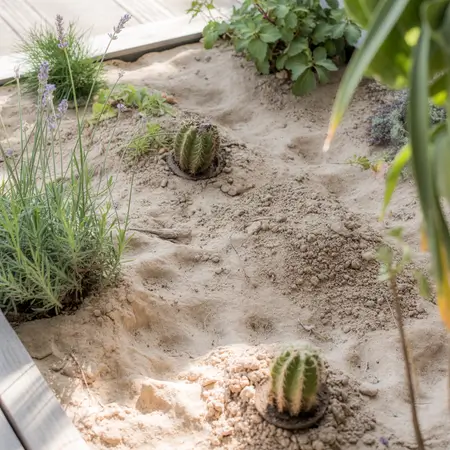
This soil warms up quickly in spring, making it great for early planting. You’ll often find sandy soil in beaches, deserts, or dry gardens. It’s perfect for plants that don’t like “wet feet,” like cacti, lavender, and carrots.
If you want to grow vegetables or flowers in sandy soil, adding some compost or organic matter can help it hold moisture and nutrients better.
2. Clay Soil
Clay soil is thick, heavy, and sticky, especially when wet. It holds water and nutrients very well, which is great for thirsty plants. But it can get compacted and hard, making it tough for roots to grow.
When it dries, it can crack and feel hard like bricks. Clay soil is often found in low-lying areas or riverbeds. Adding sand or compost can make it lighter and easier to work with.
Many fruits, vegetables, and flowers thrive in clay soil if it’s cared for, and it can be very rich and productive once managed.
3. Silt Soil
Silt soil is smooth and soft, almost like flour in your hands. It holds water well and stays moist longer than sandy soil, making it friendly for plants.
It’s fertile and full of nutrients, so flowers, vegetables, and trees often love it. Silt soil can get compacted if it’s walked on too much or if it rains a lot.
You’ll often find it along riverbanks or floodplains. Mixing in organic matter can make it even better, helping plants grow strong and healthy. Silt is like nature’s gentle, soft cushion for roots.
4. Loamy Soil
Loamy soil is often called the gardener’s dream! It’s a perfect mix of sand, silt, and clay, giving it balance. It holds water just right, drains well, and has lots of nutrients.
Plants love loamy soil because roots can spread easily and grow strong. It feels soft and crumbly in your hands, making gardening easy and fun.
You can grow almost anything in loamy soil, vegetables, flowers, shrubs, or even trees. Adding compost or mulch can keep it healthy and rich, helping your garden thrive all year round.
5. Peaty Soil
Peaty soil is dark, rich, and full of organic matter. It holds moisture really well and is slightly acidic, which certain plants like. It feels soft and spongy when you touch it.
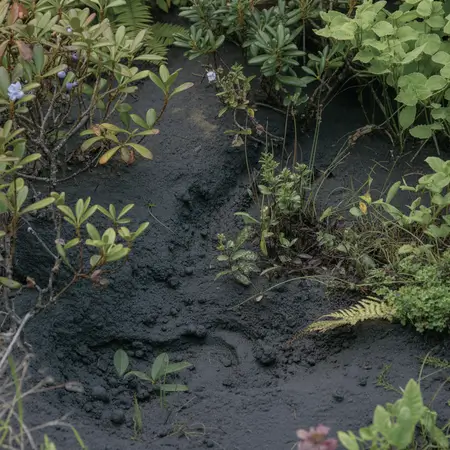
Peaty soil is often found in marshy or wet areas. Because it holds water, it’s great for moisture-loving plants like blueberries, rhododendrons, and ferns.
You can improve it with sand or compost to help it drain better if needed. Peaty soil is like a cozy, wet blanket for roots. It keeps them comfortable and full of nutrients.
6. Saline Soil
Saline soil has a high amount of salts, usually in dry areas or near the sea. Plants often struggle here because too much salt can hurt roots. It can look white or crusty on the surface sometimes.
Salt-tolerant plants like barley, spinach, or certain grasses can grow in saline soil. To improve it, gardeners often add fresh water or gypsum to wash the salts away.
Saline soil is tricky, but with the right plants and care, you can make it work. Think of it as soil that needs a little extra love.
7. Chalky Soil
Chalky soil is light-colored, alkaline, and often stony. It drains quickly, which means water runs through it fast. Plants that like alkaline conditions, like lilacs or clematis, do well here.
Chalky soil can be a bit dry and lack nutrients, so adding compost or organic matter is helpful. You’ll often find it on hills, chalk cliffs, or dry areas.
It’s easy to dig and manage once you know what plants it likes. Chalky soil may look plain, but with the right flowers, it can be a beautiful, thriving garden space.
8. Alluvial Soil
Alluvial soil is made from silt, sand, and clay deposited by rivers over time. It’s very fertile and perfect for farming. This soil is often found in river valleys and plains.
Crops like rice, wheat, and sugarcane love alluvial soil because it holds nutrients and water well. It’s usually soft and easy to work with, making planting a joy.
Many of the world’s most productive farmlands are on alluvial soil. Think of it as soil gifted by rivers, carrying nutrients from faraway places straight to your garden or farm.
9. Black Soil (Regur Soil)
Black soil is dark, rich, and full of clay and minerals. It’s often called cotton soil because it’s perfect for growing cotton, though many other crops thrive here too.
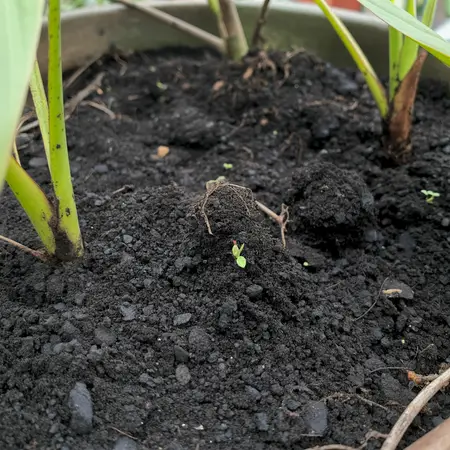
It holds moisture well, which helps during dry spells. This soil is common in tropical regions and can be sticky when wet. Adding organic matter can improve its texture and fertility even more.
Black soil is like a deep, nutrient-packed home for roots, making it strong and healthy for plants that need a lot of water and minerals.
10. Laterite Soil
Laterite soil is red, rich in iron, and forms in hot, wet climates. It’s often found in tropical areas and can be quite hard when dry. Laterite soil is low in nutrients, so adding compost or organic matter helps plants grow.
It drains well, which prevents waterlogging, but it may need care to keep it fertile. Some crops and tropical plants do well here, especially if the soil is improved.
Laterite soil is a little tough, but with love and care, it can become a productive part of your garden.
Final Thoughts
Soil is more than just dirt. It’s the foundation for all plants, gardens, and even forests. Every type of soil has its own personality, strengths, and challenges.
Knowing what kind of soil you have helps you choose the right plants and care for them better. Whether it’s sandy, loamy, or clay, each soil can grow something beautiful with a little attention.
The next time you dig in your garden or take a walk outdoors, take a moment to notice the soil beneath your feet. It’s full of life and possibilities!