
18 Different Types Of Grass You Should Know About
Grass is one of the most common plants we see every day. From lawns to parks, sports fields to gardens, different types of grass bring green life to spaces big and small.
But not all grass is the same. Some grow soft and thick, while others stay tall and wild. Some types love the sun, while others do better in shade.
In this blog, we’ll look at different types of grass. The list is simple, straight to the point, and easy to follow.
Whether you’re curious about lawns, gardening, or just want to know more about the green around you, this guide will give you a clear picture of the many grasses out there.
1. Kentucky Bluegrass
Kentucky Bluegrass is one of the most popular lawn grasses. It grows into a rich, thick carpet of green that looks smooth and feels soft.

Many people love it because it spreads on its own and can repair bare spots over time. It does best in cooler climates and full sun, which is why it’s common in northern yards and parks.
If you imagine a perfect, classic green lawn, there’s a good chance you’re picturing Kentucky Bluegrass. It’s truly the picture of a beautiful, healthy yard.
2. Bermuda Grass
Bermuda Grass grows quickly and thrives in sunny, warm areas. It’s often used for golf courses, sports fields, and busy lawns because it can take a lot of foot traffic without wearing out.
This grass spreads fast, so it can cover bare ground quickly. One thing to know is that Bermuda Grass goes brown in cold weather, but it turns green again when temperatures rise.
If you want strong grass for a place where people play or walk often, Bermuda Grass is a popular and trusted choice.
3. Zoysia Grass
Zoysia Grass is thick, tough, and slow-growing. Because it grows slowly, it doesn’t need as much mowing as other lawn grasses. The blades are stiff, which makes it durable for kids and pets running around.
Zoysia handles heat well and can even deal with drought, which makes it a good choice for busy families.
Many people choose it for backyards or front lawns where they want a neat, durable, and green space without too much work. It may grow slowly, but once it’s established, it lasts for years.
4. Fescue Grass
Fescue Grass grows well in cooler areas and can handle shade better than many other grasses. It comes in many varieties, from fine and soft to tall and hardy.
People often like fescue because it doesn’t require as much care, water, or fertilizer as some lawn grasses. It’s a favorite for low-maintenance lawns and parks.
Even if you don’t mow or water often, fescue can stay green and healthy. This makes it a dependable grass for anyone who wants a nice yard without too much effort.
5. Ryegrass
Ryegrass is bright green and quick to grow, which makes it perfect when you need grass fast. Many people use it to fill in bare spots or to keep lawns green in the winter.
It grows best in cooler weather and often pairs with other grasses to make a lawn look fuller. Ryegrass doesn’t last as long as some other types, but its fast growth makes it very useful.
If you’ve ever seen a lawn go from bare dirt to green in just weeks, ryegrass may have been the reason.
6. St. Augustine Grass
St. Augustine Grass is known for its broad blades and lush green color. It grows quickly in warm, humid areas and creates a dense carpet.

This type of grass can also handle some shade, which makes it good for southern lawns with trees. Homeowners like it because it grows fast and makes a yard look full and fresh.
The only drawback is that it needs regular care and water to stay at its best. Still, its thick, soft look makes it a favorite in warm climates.
7. Centipede Grass
Centipede Grass is sometimes called the “lazy person’s grass” because it grows slowly and doesn’t need a lot of mowing.
It does well in sandy soil and full sun, making it a common choice in the southeastern United States. The color is light green, which gives yards a fresh and simple look.
Because it doesn’t need as much fertilizer or care, many people choose it for low-maintenance lawns. Centipede Grass isn’t the thickest, but it’s one of the easiest grasses to take care of year after year.
8. Bahia Grass
Bahia Grass is strong and simple. It grows in warm areas and can handle poor soil, which makes it popular for large fields, roadways, and open land.
Unlike some lawn grasses, Bahia Grass doesn’t need a lot of water or care. It produces seed heads that stand tall above the grass, which gives it a natural, slightly wild look.
This grass isn’t usually chosen for perfect lawns, but it’s valued for covering big spaces with very little effort. Bahia Grass is all about strength and low upkeep.
9. Bentgrass
Bentgrass is smooth and fine, often used on golf courses where the surface needs to be perfect. It grows very low and spreads into a dense, soft mat.
The look is neat, but bentgrass requires a lot of care, water, and mowing. Because of this, most people don’t use it for regular lawns.
It works best in cool climates and in places where grass needs to be short and even. Golfers love bentgrass greens because they provide a smooth, even roll for the ball every time.
10. Buffalo Grass
Buffalo Grass is a native North American grass that grows short and spreads naturally. It needs very little water and can handle drought, which makes it great for areas with dry weather.
Buffalo Grass has a soft, fine texture and can create a natural-looking lawn. It’s often chosen for eco-friendly yards or spaces where people want less mowing and care.
While it doesn’t grow as thick as some other grasses, its ability to survive with little attention makes it a smart, sustainable choice for many.
11. Lawngrass
Lawngrass is a general term for grass mixes made to create green, healthy lawns. Most lawn mixes include types like ryegrass, bluegrass, and fescue.
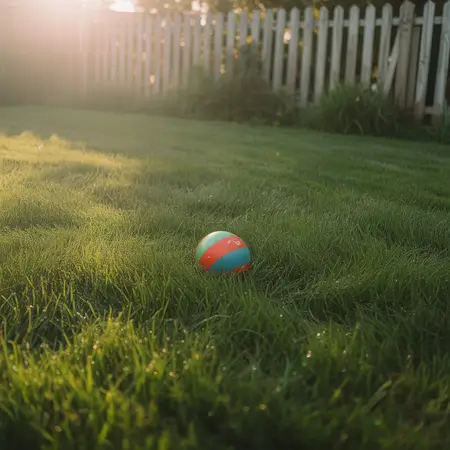
These blends are chosen because they grow thick, spread evenly, and can handle foot traffic. Lawngrass is made for one main reason: to look neat and feel soft underfoot.
It’s what you usually find in front yards, backyards, and parks. Even though the mix can change, lawngrass is always designed to make spaces look green, clean, and ready for people to enjoy.
12. Finger-grasses
Finger-grasses grow wild and are often found in open fields or roadsides. They get their name from the finger-like seed heads that spread outward.
While some farmers see them as weeds, they are strong and grow easily in many soils without care. In some areas, they provide grazing for animals, which makes them useful despite their wild look.
Finger-grasses remind us that grass isn’t only for lawns. Many types grow freely in nature and serve important roles in the ecosystem by feeding wildlife and covering bare land.
13. Scutch Grass
Scutch Grass, also known as couch grass, spreads quickly through its underground roots. It grows fast and often takes over spaces, which makes it hard to control.
Farmers and gardeners sometimes see it as a weed because it’s tough to remove once it spreads. However, it shows just how powerful and resilient grass can be.
Even though people often want to get rid of it, Scutch Grass plays a role in nature by protecting soil and covering open ground. It’s one of the toughest grasses around.
14. Pampas Grass
Pampas Grass is tall, dramatic, and eye-catching. It can grow several feet high and produces fluffy plumes that range from white to pink.
Because of its striking look, Pampas Grass is often grown as a decoration in gardens or used in landscaping to add height and texture. The leaves are sharp, but the plumes are soft and pretty.
Many people cut and dry pampas plumes for home décor, where they add a natural, elegant touch. This grass shows how grasses can be both useful and beautiful.
15. Fresh Lemongrass
Lemongrass is a tall, fragrant grass that smells like lemon. It’s not grown for lawns but for cooking and natural uses.
The stalks are used in teas, soups, and oils, making it a favorite in kitchens around the world. Lemongrass grows best in warm, sunny climates and can reach several feet tall.
Many people plant it in gardens not just for its use in cooking, but also because its smell can help keep insects away. Lemongrass is proof that grass can be tasty as well as useful.
16. Kikuyu Grass
Kikuyu Grass is a fast grower that spreads quickly to cover large areas. It’s tough, handles heat well, and bounces back fast after being walked on or played on.
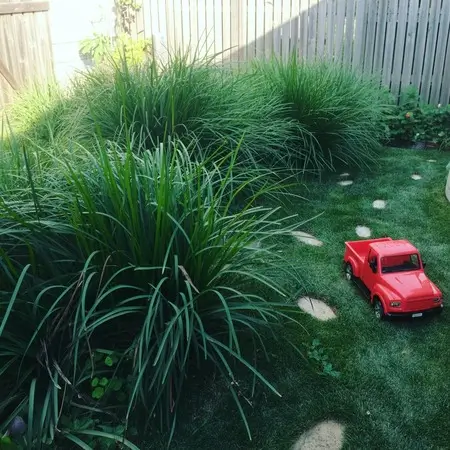
That’s why it’s often used for sports fields, playgrounds, and busy lawns. It loves sunlight and warm climates, but it can become invasive if not managed.
Kikuyu’s strength and speed make it perfect for places where grass needs to grow thick and recover quickly. It’s one of the toughest grasses for high-use areas.
17. Perennial Ryegrass
Perennial Ryegrass is bright green, shiny, and grows quickly. Unlike annual ryegrass, it comes back year after year, which makes it useful for long-term lawns.
It’s often blended with other grasses to create strong and attractive yards. Perennial Ryegrass is known for germinating fast, so it’s often planted when a lawn needs to be filled in quickly.
It works well in cooler climates and is common in parks and lawns that see a lot of use. Its lasting growth makes it dependable and practical.
18. Napier Grass
Napier Grass, also called elephant grass, grows in thick clumps and can reach very tall heights, sometimes taller than a person.
It’s mainly used as animal feed for cattle, goats, and other livestock because it grows quickly and produces a lot of leaves. Farmers like it because it provides plenty of food for their animals with little effort.
While it’s not used for lawns, it’s an important type of grass in agriculture. Napier Grass shows how valuable grasses are for farming and feeding the world.
Final Thoughts
Grass may seem simple, but as you can see, there are many different types. Some make soft lawns, some grow wild in fields, and some even end up in our food.
From the common Kentucky Bluegrass to the tall Pampas Grass or useful Lemongrass, each one has its own place.
Next time you see grass under your feet or waving in the wind, you’ll know it’s not just “grass”. It’s one of many types that bring life, color, and even flavor to our world.