
Creating A New Year’s Resolution Garden for Personal Growth
Would you agree that making a New Year’s resolution is the easy part? Sticking to it… that’s the real challenge.
Every January, people dream of new beginnings, eating better, moving more, feeling calmer, or living intentionally. But instead of forcing big changes, imagine growing your resolutions like a garden.
Each goal is a seed, each habit a plant that needs care. With attention, patience, and consistent effort, you’ll see your personal growth bloom right alongside your garden beds.
Here’s how gardening can help you make your New Year’s resolutions stick and grow.
Resolution #1: Get Healthier — Grow Your Own Greens
Gardening naturally gets you moving and outdoors, which is already good for your body. Plant leafy vegetables like kale, spinach, or lettuce to add fresh, healthy options to your meals.
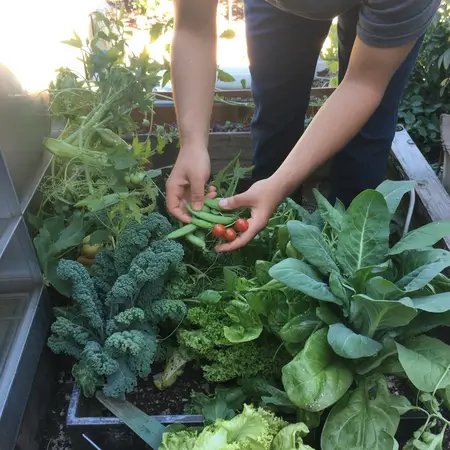
Harvesting your own food encourages mindful eating. You’re more likely to choose what you grew rather than pre-packaged options. I like to snack on fresh peas or cherry tomatoes while working, which feels like a treat and a reward.
The combination of exercise, fresh air, and homegrown produce is a simple way to make your health goals more enjoyable and sustainable.
Resolution #2: Eat More Mindfully — Cook from Your Garden
Cooking with food you grew yourself helps you slow down and pay attention. Each vegetable or herb reminds you of the effort it took to grow. Plan at least one meal per week using fresh ingredients from your garden.
Chop, season, and taste your harvest as a way to connect with your food and the process of growth. Mindful cooking turns a simple meal into a celebration of your effort.
I often find that cooking with my garden’s produce encourages me to experiment with flavors and recipes, which makes healthy eating more fun and satisfying.
Resolution #3: Be Consistent — Water Your Garden Daily
Plants need regular attention to thrive, just like your goals. Even a short daily routine of watering, checking, or pruning your garden builds consistency.
Spending five to ten minutes each day caring for your plants can help you form a habit of showing up for your resolutions. The garden responds visibly to your attention.
Flowers bloom, leaves grow, and vegetables ripen, reminding you that small, consistent actions yield results. I find it calming to have this daily ritual; it sets a rhythm that carries over into other areas of my life, helping me stay disciplined without pressure.
Resolution #4: Save Money — Grow What You Eat Most
Buying fresh produce can get expensive, but seeds are inexpensive and last a long time. Pick vegetables and herbs you use regularly, like tomatoes, onions, or basil, and start growing them.
Homegrown food can drastically reduce your grocery bill, especially when you plan for season-long harvests. I’ve tracked how much I saved in one summer just by growing spinach, tomatoes, and herbs.
Beyond money, growing your own food also gives you a sense of independence and achievement, because you’re producing something valuable with your own hands while eating healthier at the same time.
Resolution #5: Reduce Stress — Let Gardening Be Your Calm Space
Gardening is a natural stress reliever. The act of touching soil, watering plants, and tending to life outside gives your mind a break from screens and to-do lists.
Pulling weeds, trimming leaves, or simply observing growth slows your thoughts and reduces tension. Music, birdsong, or quiet sounds in the garden create a meditative environment.
Personally, I often spend a few minutes just sitting among my plants, breathing deeply, and letting my worries fade. Gardening reminds you that patience, care, and presence are all part of personal growth and can improve emotional well-being.
Resolution #6: Learn Something New — Try a New Plant or Method
Gardening is full of learning opportunities. Each season offers new plants, techniques, and challenges. Try starting seeds indoors, experimenting with compost, or planting an unfamiliar vegetable.
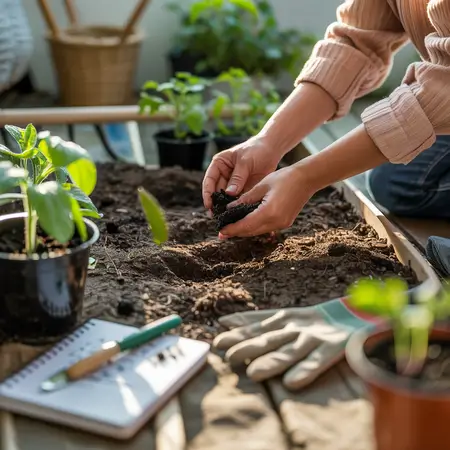
Learning from your successes and mistakes strengthens both your knowledge and your confidence. Even after years of gardening, I find something new to explore every season whether it’s a new planting method, pest solution, or flavor combination.
Curiosity and experimentation in the garden mirror personal growth: the more you try, the more you expand your skills, confidence, and ability to adapt in other areas of life.
Resolution #7: Be Patient — Let Nature Set the Pace
Gardening teaches patience like nothing else. Seeds don’t sprout instantly, flowers don’t bloom overnight, and vegetables take time to ripen.
Watching growth gradually reminds you that meaningful progress in life takes consistent effort. Even when nothing seems to happen, roots are developing below the surface. This perspective translates into your personal goals whether learning a new skill, forming a habit, or improving relationships.
I’ve learned to trust the process by observing my garden; patience with plants helps me be kinder to myself when progress feels slow. Growth happens steadily if you tend to it carefully.
Resolution #8: Build Stronger Relationships — Garden with Family or Friends
Gardening is a social activity in disguise. Invite family, friends, or neighbors to help plant, water, or harvest. Kids love digging in the soil, watching seedlings grow, and learning about life cycles.
My favorite garden memories involve laughing with my family while harvesting tomatoes or tying up beans together. Sharing the garden teaches teamwork, patience, and connection.
Beyond producing food, it creates shared experiences that strengthen relationships and create lasting memories. Gardening side by side shows you that growth is more fun and more rewarding when it’s shared.
Resolution #9: Be Kinder to the Planet — Compost and Reuse
Composting kitchen scraps and reusing containers for seedlings teaches eco-friendly habits. Collect rainwater for your plants or repurpose old pots instead of buying new ones.
These small steps reduce waste, minimize plastic use, and create nutrient-rich soil. Your garden becomes a mini ecosystem that demonstrates the power of sustainable living.
Turning scraps into compost gives a sense of purpose and connection to the earth. When you nurture your garden, you also nurture the planet, showing how individual actions can make a meaningful impact over time.
Resolution #10: Be More Present — Notice the Little Things
Gardening encourages mindfulness. Observe each sprout, bee, or raindrop. Take note of colors, textures, smells, and sounds. Spending even a few minutes daily in your garden sharpens your awareness and helps you enjoy the present.
I like to step outside, breathe deeply, and just watch the growth around me. These quiet moments build mental clarity, reduce stress, and remind you that life happens in small, often beautiful moments.
Practicing presence in your garden helps you carry the same attention and appreciation into daily life.
Resolution #11: Be Grateful — Celebrate Every Small Win
Every little achievement in the garden is worth celebrating: a new bud, a ripe tomato, or a weed-free patch. Take note of small successes and express gratitude for them.
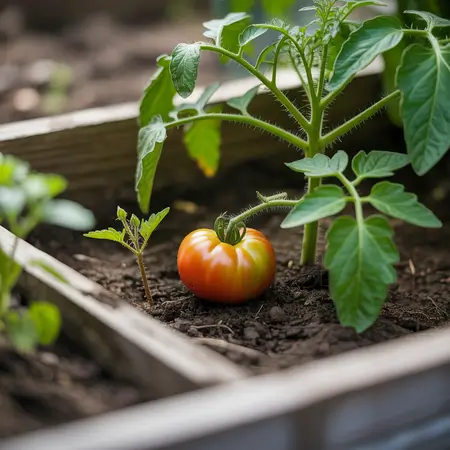
I often write one thing I’m thankful for after tending my plants. Gratitude grows when you consistently notice progress, and it shifts your focus from what’s missing to what’s present.
Observing your garden teaches you to value the journey, not just the results, and applying this mindset to life can make everyday accomplishments feel more rewarding.
Resolution #12: Break Bad Habits — Replace Them with Garden Time
Idle hands often lead to habits we want to avoid, like excessive screen time or unhealthy snacking. Gardening redirects energy to something productive, rewarding, and calming.
Pull weeds, water plants, or harvest fresh vegetables instead. Over time, the simple act of spending time outdoors helps replace old patterns with mindful routines.
Checking on seedlings in the morning gives focus and reduces the urge to scroll endlessly. Channeling energy into growing something alive is a natural way to break negative habits while nurturing yourself.
Resolution #13: Boost Productivity — Let Gardening Refocus You
Taking a break to garden can actually make you more productive. Working in the soil clears your mind, reduces mental clutter, and improves focus.
After watering or pruning, return to tasks with fresh energy and clarity. Gardening allows you to step away from stress and regain perspective.
Productivity isn’t just about doing more; it’s about being more present and effective in each moment. A few minutes in your garden can reset your mind, helping you tackle challenges with renewed focus and calm determination.
Resolution #14: Give Back — Share What You Grow
Extra produce from your garden can help others. Share with neighbors, friends, or local food pantries. Giving vegetables, herbs, or fruits feels good and spreads kindness.
Try leaving a basket of fresh tomatoes on a friend’s porch. It’s a simple way to connect and show care. Your garden can become a tool for generosity, teaching lessons about community, gratitude, and service.
Sharing your harvest demonstrates that growth isn’t just personal. It benefits others too, creating a ripple effect of positivity.
Resolution #15: Build Confidence — Watch What You Can Create
Every plant you grow is proof of your ability to create and nurture. Starting with a tiny seed and watching it thrive shows that effort pays off. Gardening boosts confidence because you can see tangible results of your work.
Planting something new each season reminds us that we ae capable of learning, experimenting, and succeeding.
This confidence spills into life outside the garden, giving courage to tackle challenges, try new things, and trust yourself to grow, just as your garden grows under your care.
Resolution #16: Practice Self-Care — Treat Gardening as “Me Time”
Your garden isn’t just about food or plants; it’s a space for you. Take a few minutes each day for yourself: a quiet walk, a cup of tea among the flowers, or simply observing growth.
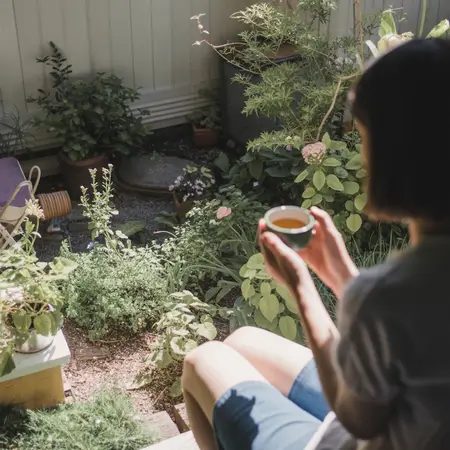
This ritual encourages reflection and relaxation. Gardening becomes a form of self-care, reminding you that nurturing yourself is just as important as nurturing plants.
I often step into my garden after work to breathe, recharge, and reset. Small, consistent moments of self-care in your garden create lasting habits that support personal growth and well-being.
Final Thoughts
Your New Year’s Resolution Garden doesn’t need to be big or perfect. Even a few pots, a small patch, or a handful of seeds can symbolize your goals.
Each action like watering, planting, or pruning reflects your personal growth. Your garden teaches patience, consistency, and gratitude while giving you tangible proof of your effort.
This year, don’t just write resolutions, plant them. Nurture them. Watch them grow. And as your garden blooms, so will you.