
17 Best Way to Get Rid of Weeds in Flower Bed
Weeds can take over a flower bed fast. They steal water, light, and food from your flowers. If you don’t deal with them, they spread and make your garden look messy.
The good news is there are simple, clear ways to get rid of weeds and keep them from coming back. This guide shares the best ways to handle weeds in a flower bed.
These are methods that actually work, no fluff or fancy talk. Just what you need to keep your flowers healthy and your garden looking neat.
1. Hand Pulling Weeds
Sometimes the simplest way is the best. Pulling weeds by hand lets you get right down to the root, which keeps them from growing back.
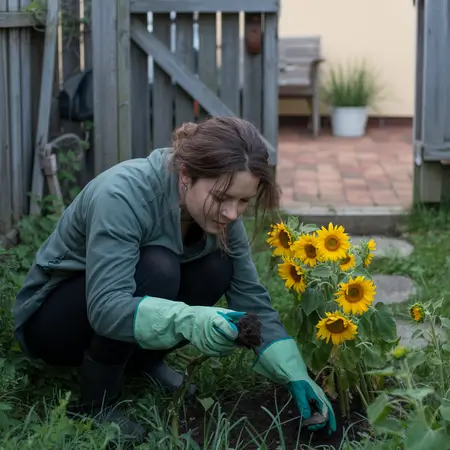
It’s easiest to do after rain or watering, when the soil is soft. I like to wear gloves so I don’t end up with sore fingers.
Yes, it takes time, but you’ll see results right away. Plus, there’s something relaxing about sitting in the garden and working close to your flowers.
2. Using a Hoe or Weeding Tool
If you have a larger flower bed, hand pulling can feel endless. This is where a good hoe or weeding tool comes in handy. With just a few swipes, you can loosen weeds and clear them fast.
A sharp hoe glides through soil and saves your back from bending too much. It feels a bit like giving your garden a tidy haircut.
Once you get the hang of it, you’ll find it’s faster than hand pulling and just as effective.
3. Mulching the Flower Bed
Mulch is one of my favorite tricks for keeping weeds away. A thick layer of mulch blocks sunlight, which weeds need to grow.
It also keeps the soil moist and makes your flower bed look neat. You can use bark chips, straw, or even shredded leaves.
Spread it two to three inches deep around your plants, leaving a little space by the stems. Not only does mulch stop weeds, but it also feeds your soil as it breaks down.
4. Laying Down Landscape Fabric
If you want a long-term fix, landscape fabric is a strong option. This fabric blocks weeds while still letting water reach your flowers.
Just roll it out over the soil, cut holes where your plants go, and cover it with mulch for a clean look. It takes more work at the start, but it pays off over time.
This method is for areas where you don’t want to weed again and again. It’s like giving your garden armor against weeds.
5. Boiling Water Method
This method is fast, simple, and doesn’t cost a thing. Pouring boiling water directly on weeds kills them in seconds. The heat cooks the roots, and the plant won’t grow back.
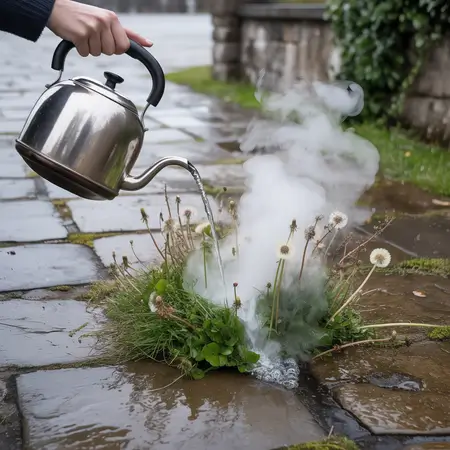
Be careful, though, you don’t want to splash your flowers. This trick works best for weeds along the edges of your bed or in cracks where you don’t want plants anyway.
It’s natural, chemical-free, and oddly satisfying to see weeds wilt right before your eyes.
6. Vinegar Spray (Homemade Vinegar Weed Killer)
Vinegar is another easy, natural weed killer. Fill a spray bottle with vinegar and spray it right on the leaves of weeds. The acid dries them out fast.
For extra strength, you can mix in a little dish soap. Just remember, vinegar doesn’t care what it touches, so spray carefully to avoid your flowers.
Keep a small bottle handy for spot-treating weeds that pop up in the middle of the bed. It’s cheap, safe, and quick to use.
7. Corn Gluten Meal (Pre-Emergent Control)
This one works differently than most methods. Corn gluten meal doesn’t kill existing weeds. It stops seeds from sprouting.
That means you spread it before weeds start growing, usually in early spring. It’s safe around your flowers and even adds a bit of nitrogen to the soil, which is like a natural fertilizer.
Think of it as stopping weeds before they even get a chance to annoy me. It’s a little extra planning, but it makes a big difference.
8. Regular Bed Maintenance
Weeds grow fast, and if you let them go, they’ll take over. That’s why staying on top of them is key. A few minutes each week makes a huge difference.
Walk through your flower bed, pull little weeds before they spread, and keep mulch fresh. It’s kind of like brushing your teeth.
You do it often so problems don’t build up. I like to make it part of my morning routine. Fresh air, a little work, and a neat garden.
9. Apply Heat to Compost Weeds
If you compost weeds, be careful. They can come back if the seeds survive. The trick is to apply enough heat in your compost pile to kill them.
A hot pile, turned often, cooks the seeds so they don’t sprout later. I learned this the hard way when weeds showed up in my composted soil.
Now, make sure my pile gets hot and steamy. It’s a smart way to recycle weeds without accidentally planting them again.
10. Off with Their Heads!
Sometimes you don’t have time to pull every root, but you can still slow weeds down. Cutting off their tops before they flower and drop seeds makes a huge difference.
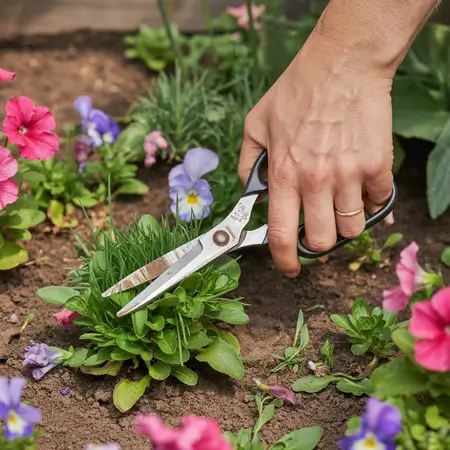
A quick snip with garden scissors or shears weakens the plant and keeps it from spreading. It’s like cutting the power line before weeds can call in reinforcements.
It won’t kill the roots, but it buys you time and keeps your flower bed under control.
11. Use Salt to Kill Weeds
Salt is tough on weeds, especially in spots where you don’t want plants to grow at all. Sprinkle a little salt at the base of weeds, and it dries them out.
You can also dissolve salt in water and pour it on problem areas. But use it carefully. Too much salt can harm your soil and flowers.
Save this trick for paths or edges, where nothing else is supposed to grow. It’s simple, strong, and very effective.
12. Using Irrigation to Manage Weeds
Watering methods can affect weed growth. Overhead watering gives weeds the same chance to grow as flowers.
Using drip irrigation or soaker hoses targets water directly to flower roots, leaving less moisture for weeds. This small change makes the flower bed healthier and reduces weed problems.
13. Maximize Gardening Tools
Good tools make the job faster and easier. A sharp hoe, a hand weeder, or even a dandelion digger can save your back and your time.
I used to fight weeds with just my hands, but switching to better tools was a game-changer. It’s like having the right spatula in the kitchen. You can do the job without frustration.
Invest in a couple of solid tools, and you’ll notice the difference every time you step into the garden.
14. Let Sleeping Weeds Lie
Not all weeds need to be disturbed. Many seeds hide in the soil and only sprout when they’re brought to the surface. That’s why it’s smart to dig only when needed.
If you don’t stir the soil too much, you’ll avoid waking up thousands of tiny weed seeds. Learn to only dig holes where flowers go and leave the rest alone.
It feels a bit lazy, but it’s actually clever gardening, less work and fewer weeds.
15. Mind the Gaps Between Plants
Weeds love empty spaces. The more gaps between your flowers, the more room weeds have to grow. Planting closer together creates shade that keeps weed seeds from sprouting.
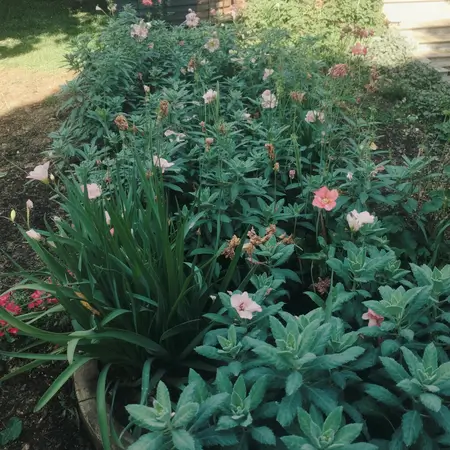
It also makes your flower bed look lush and full. Think of it as teamwork. Flowers grow together to block out the troublemakers.
If you plan your bed with fewer open spots, you’ll spend less time weeding and more time enjoying your blooms.
16. Use Sodium Chlorate as a Weed Killer
Sodium chlorate is a strong chemical weed killer that’s been used for years. It wipes out weeds quickly, roots and all.
But it’s very powerful, so it must be handled with care. It can harm soil and nearby plants if overused. This method is best for areas you want completely weed-free, not inside your flower bed itself.
Only use it as a last resort. Still, it’s an option worth knowing about if you’ve tried everything else.
17. Don’t Forget to Fertilize
Strong flowers can fight off weeds better than weak ones. Fertilizing gives your flowers the nutrients they need to grow thick and healthy.
When your plants fill in the space, weeds have less room to spread. It’s a simple step, but it makes a big difference over time.
Use a slow-release fertilizer, so flowers get steady food and stay strong all season. Healthy flowers mean fewer weeds and a much prettier garden.
Final Thoughts
Weeds are part of every garden, but they don’t have to take over your flower bed. With the right mix of pulling, mulching, smart watering, and a few tricks, you can keep them under control.
The best method is often using several together like mulching, regular maintenance, and careful watering. A little effort now saves you a lot of work later.
At the end of the day, the goal is simple: happy flowers, fewer weeds, and a garden you love spending time in.