
How To Start An Indoor Garden (Without Overthinking It)
Starting an indoor garden doesn’t need a plan, a budget, or a perfect space. You don’t need fancy lights or rare plants either. You just need a small spot, a few basic supplies, and the willingness to start before everything feels “ready.”
Most people don’t fail at indoor gardening because they can’t grow plants. They fail because they overthink the first step.
This guide keeps it simple and shows you exactly how to start an indoor garden that actually grows without stress, rules, or guesswork.
1. Start With the Space You Already Have
Before you buy a single plant, look around your home. Notice where light naturally comes in. Windows are the obvious choice, but shelves near windows, kitchen counters, and quiet corners work too.
You’re not looking for “perfect light.” You’re looking for consistent light. A spot that gets some daylight every day is enough to begin.
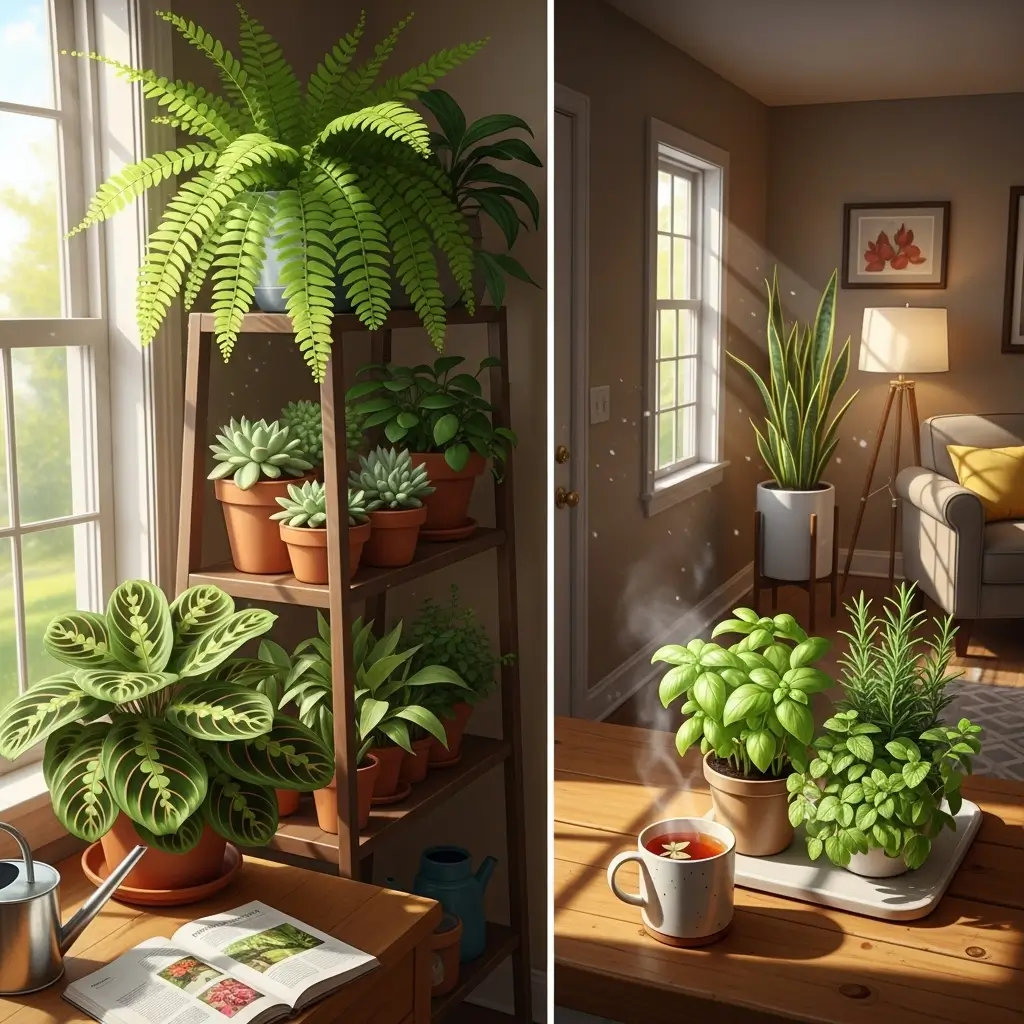
A simple trick: stand in that spot during the day. If you can comfortably read there without turning on a light, most beginner plants will be fine.
Do not rearrange your whole home for plants. Let plants fit into your life, not the other way around.
2. Decide What You’ll Grow (Keep It Simple)
This is where most people mess up. They try to grow everything at once.
Start with one or two plants. That’s it.
Don’t worry about plant names or categories. Choose plants that look healthy and manageable. Medium-sized leaves, strong stems, nothing droopy or dry.
If you’ve never grown anything indoors before, starting small helps you learn faster. You’ll notice how the plant reacts to light and water without feeling overwhelmed.
One plant teaches you more than five ever will.
3. Use What You Already Own
You don’t need matching pots or expensive containers. If you already have pots and soil, you’re good to go.
What matters most is drainage. Your pot should have a hole at the bottom or a way for water to escape. If water sits in the pot, roots suffer.
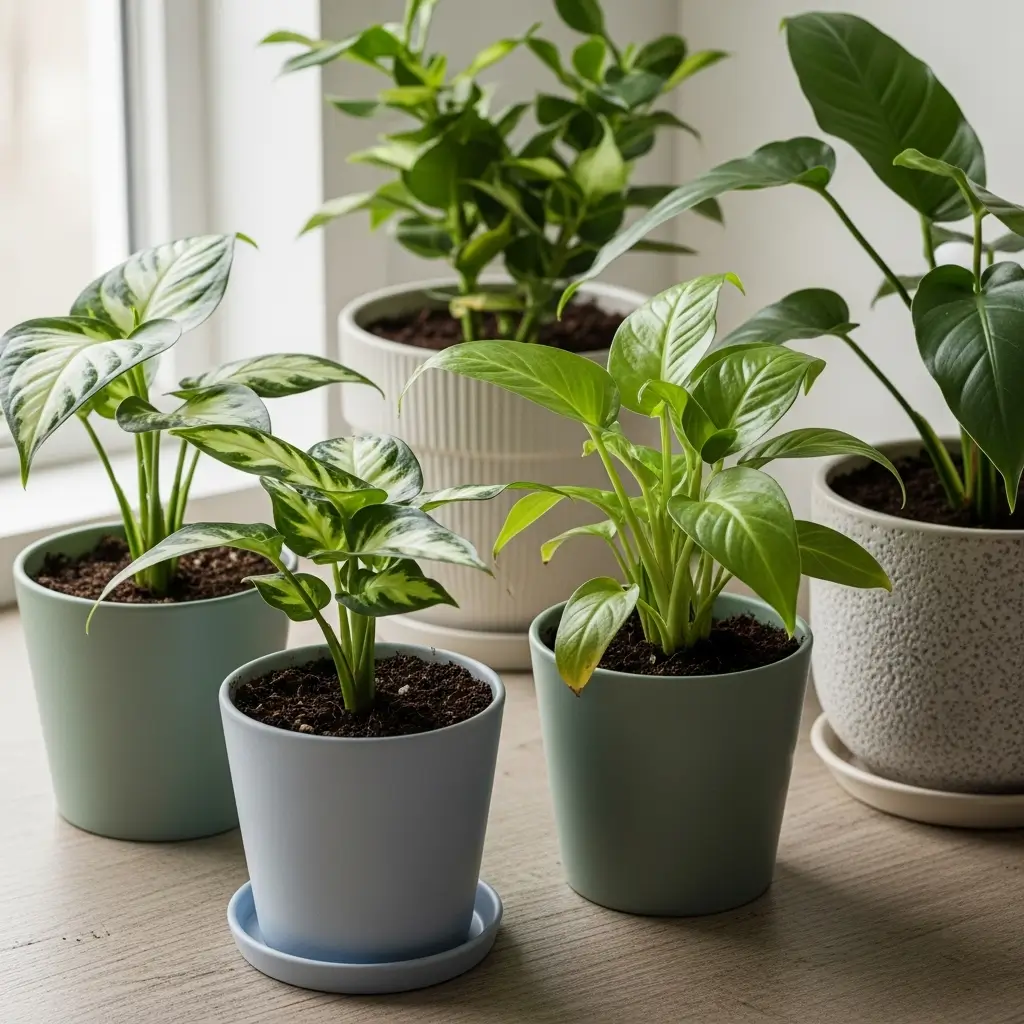
Your soil doesn’t need to be perfect. Loose soil that doesn’t turn into mud when wet is enough. If it drains and dries out between waterings, it works.
Indoor gardening is forgiving when you don’t overdo it.
4. Place Your Plants the Right Way
Once your plant is potted, place it where the light makes sense. Plants don’t care about home décor. They care about light.
If a plant looks healthy but stops growing, it’s usually a light issue. If leaves stretch or lean, it’s asking for more light.
Moving plants is normal. The first spot is rarely the final one.
Give it a week or two, then adjust. Indoor gardening is a slow conversation, not a one-time decision.
5. Watering Without Killing Your Plants
Most indoor plants don’t die from neglect. They die from too much water.
Forget watering schedules. Ignore reminders. Use your hands.
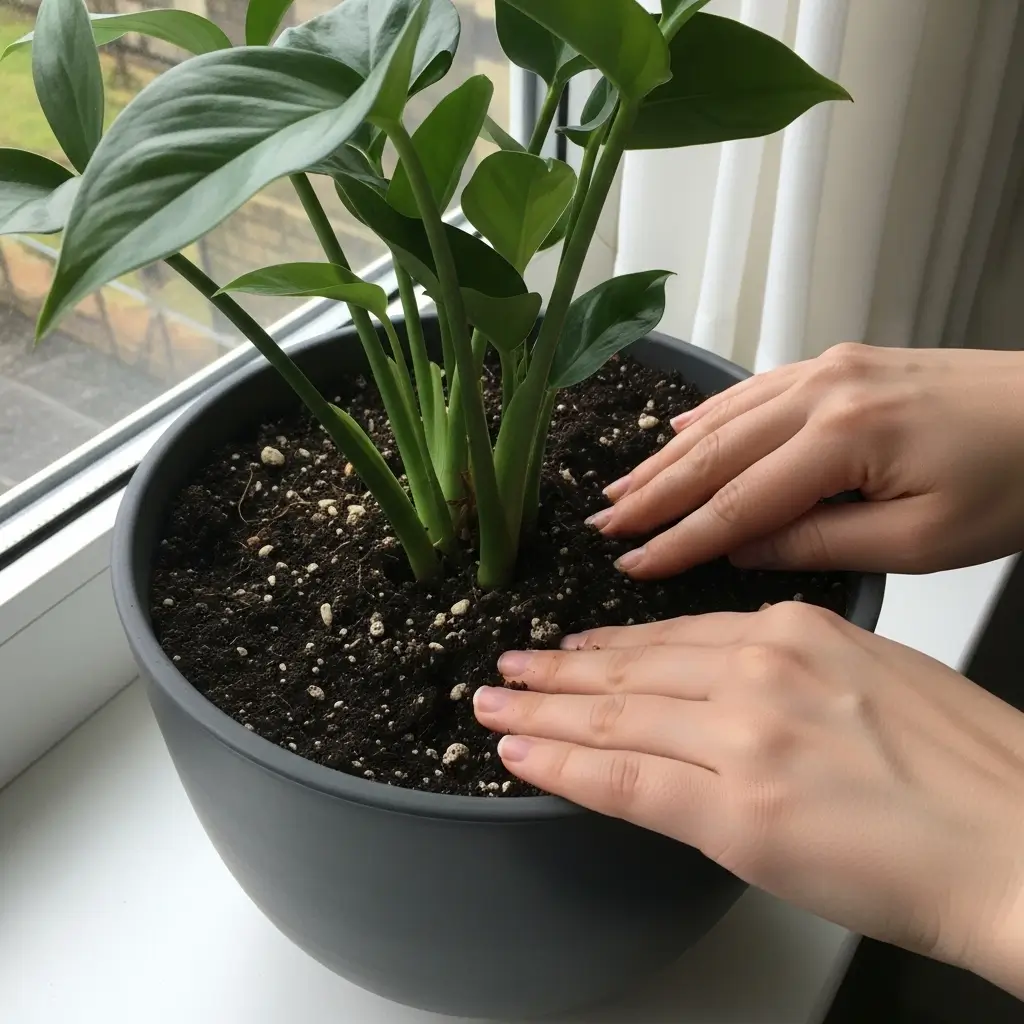
Stick a finger into the soil. If the top inch feels dry, water. If it’s still damp, wait.
When you water, water deeply. Let excess water drain out. Then leave it alone.
Plants like a cycle of wet and dry. Constant moisture stresses roots.
If you remember only one thing, remember this: watering less is usually safer than watering more.
6. Create a Simple Care Routine
Caring for indoor plants doesn’t need daily attention.
Once or twice a week is enough. Look at the leaves. Feel the soil. Turn the pot slightly so the plant grows evenly.
Wipe dusty leaves if you notice buildup. That’s it.
A routine doesn’t mean work. It means awareness.
Plants thrive when you notice small changes early instead of reacting late.
7. Learn as You Go, Not Before You Start
You don’t need to research everything first. You learn indoor gardening by doing.
Leaves yellow? Adjust water. Growth slows? Adjust light. Nothing dramatic happens overnight.
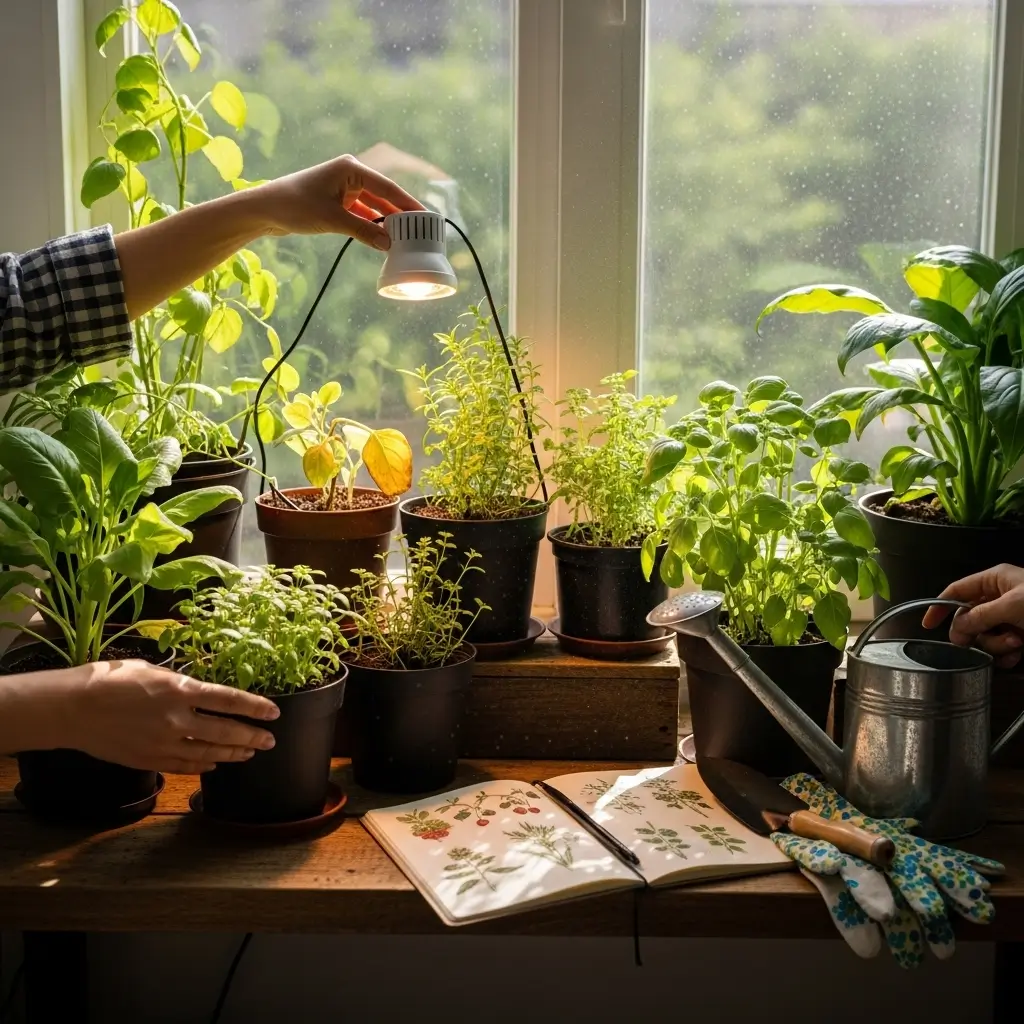
Every plant teaches you something. The more time you spend observing, the better you get.
Indoor gardening is forgiving when you make small changes instead of big ones.
8. Keep It Small Before You Grow Bigger
Once you feel comfortable caring for what you have, then add another plant. Not before.
Growing your indoor garden slowly helps you understand your space, your light, and your habits. That’s how people end up with healthy plants long-term instead of a shelf of dying ones.
An indoor garden grows with you. Let it.
Final Thought
Starting an indoor garden is less about skill and more about patience. Use your space. Start small. Pay attention. Adjust when needed.