
How to Create a Tea Garden: Easy Steps to Grow Your Own Relaxing Tea Haven
Creating a tea garden is a simple way to enjoy fresh flavors right at home. You don’t need a big yard or fancy tools. You just need a small space with sunlight, a few easy plants, and some care.
A tea garden lets you grow the herbs and leaves you like to drink, and it also gives you a calm place to relax.
This guide will walk you through how to create your own tea garden, step by step, so you can enjoy warm, fresh tea made with plants you grow yourself.
1. Create a Tea Mood First (Pick the Feel Before the Plants)
Before planting, think about how you want your tea garden to feel. Do you want it calm and relaxing, full of soft scents, or bright and energizing? Maybe you want it small and cozy, or a corner that makes you smile every time you visit.

Choosing the mood first helps you pick the right plants, colors, and layout. It’s like setting the stage for your garden. When the mood feels right, every cup of tea you make will feel like a little escape.
2. Build a Flavor Theme
Decide what kind of tea experience you want. Do you love minty freshness, calming chamomile, or floral hints from lavender and rose?
You can even mix themes: a morning energy garden with lemon balm and ginger, or a bedtime calm garden with chamomile and mint.
A flavor theme keeps your garden intentional. Instead of random plants, each herb has a purpose. When you harvest, you’ll have leaves that naturally blend together, creating teas that taste like your garden’s personality.
3. Choose a Tea Anchor Plant
Every tea garden needs a main plant,the star of your tea blends. This could be green tea (if you live somewhere warm), lemongrass, peppermint, or chamomile.
Your anchor plant will guide the flavor of all your blends and give you a sense of purpose when planting. Place it in a spot where it can grow strong and healthy, because everything else in your garden will revolve around it.
Choosing a strong anchor plant gives your tea garden structure and makes your first harvest feel extra special.
4. Add Supporting Herbs for Balance
Once your anchor plant is in, add supporting herbs to make your teas interesting. These are smaller plants that add flavor, aroma, or health benefits.
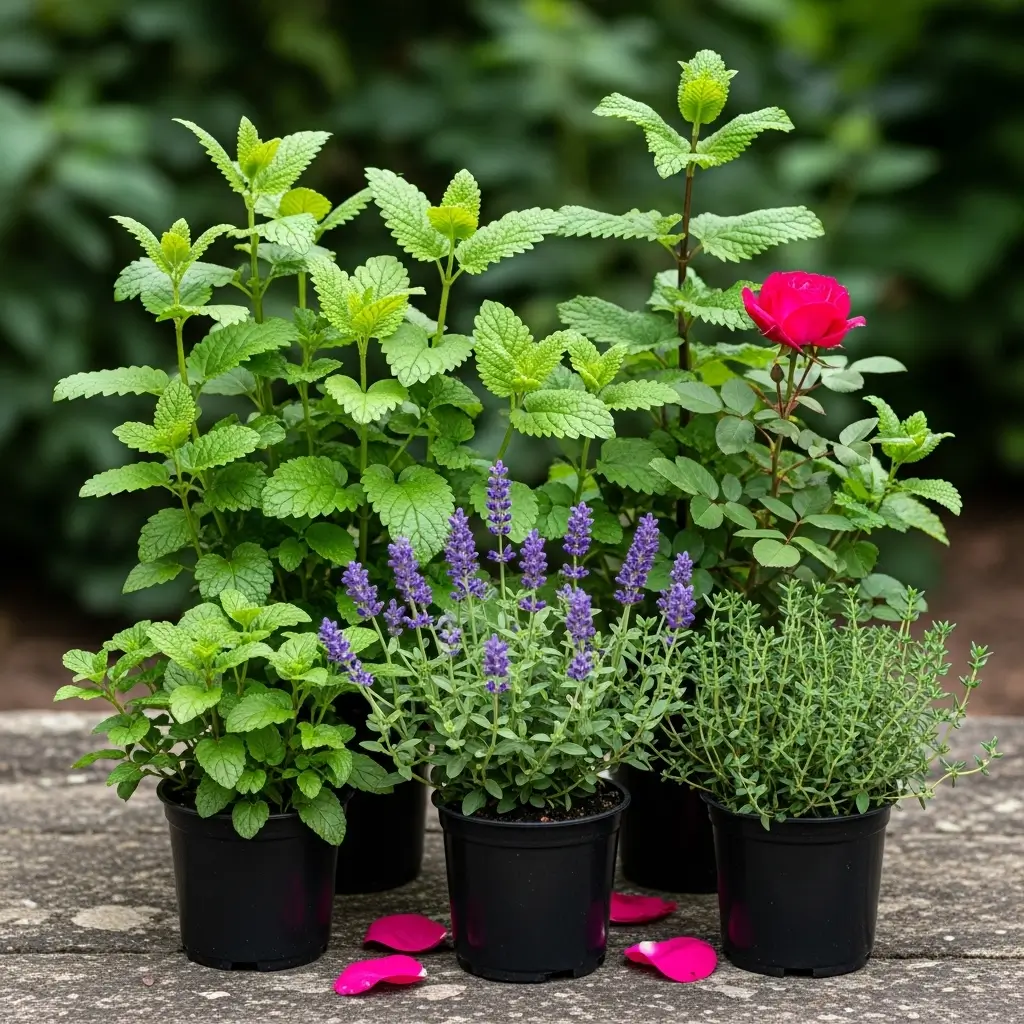
Think mint, lemon balm, lavender, rose petals, or thyme. Mix textures and heights to make the garden look lively. Supporting herbs also help the anchor plant shine, creating a balanced flavor in your teas.
Plant a few of each, and don’t be afraid to experiment. Over time, you’ll discover your favorite combinations and grow blends you won’t find in stores.
5. Design a Tea Path or Corner
Even a tiny garden feels magical with a little path or a special corner. A small stepping stone path, a low bench, or a cozy corner with sunlight gives your garden personality.
It also makes harvesting easier. You’ll enjoy walking through your plants instead of squeezing past them. Think about sightlines, scents, and textures as you design.
A tea path or corner turns your garden into a personal retreat, not just a planting area. It makes the space inviting, and that feeling will carry into every cup you brew.
6. Grow Fresh and Drying Plants Separately
Some plants are better fresh, while others dry well. Keep them separated to make your life easier. For example, mint and lemon balm taste great fresh in iced teas, while chamomile, lavender, and rose petals are perfect for drying.
This separation prevents strong flavors from mixing too early and keeps your teas tasting exactly how you want. You’ll also save time when harvesting. No searching for the right plant in a mixed patch.
A simple system keeps your garden organized and your teas consistently delicious.
7. Use Containers to Control Flavors
Some herbs grow aggressively and can take over your garden. Using containers for plants like mint, lemon balm, or ginger helps control their spread.
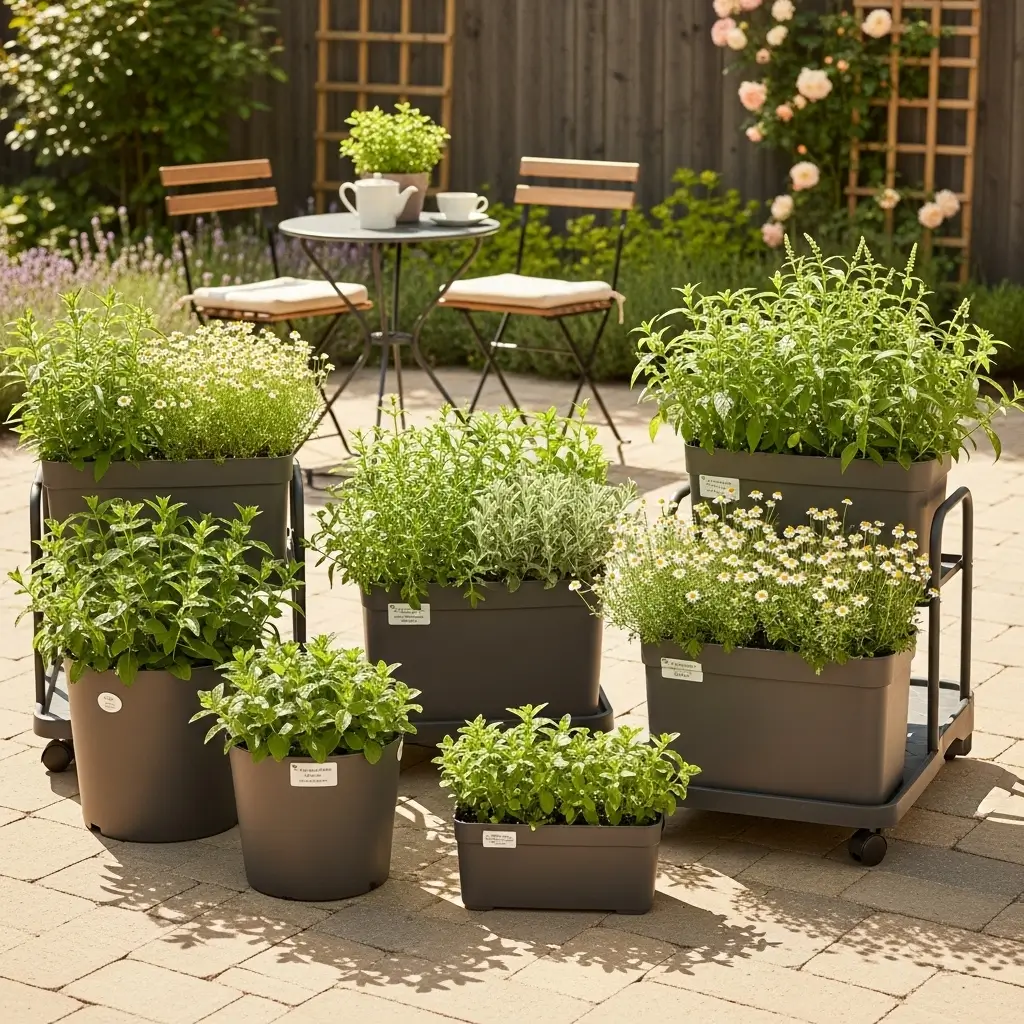
Pots also let you move plants to catch sunlight or protect them from frost. Containers are perfect for small spaces or patios. They give your tea garden a clean, organized look and make maintenance easy.
You can even group containers by flavor themes for a visually appealing and functional setup that inspires creativity every time you walk outside.
8. Make a Small Tea Harvest Station
Set up a simple harvesting spot with scissors, a basket, and maybe a tray for drying leaves. It doesn’t need to be fancy—a small table or a corner works perfectly.
Having a designated spot makes picking leaves easier and keeps your garden organized. You’ll feel more connected to your tea ritual when you step into your garden and see everything ready for harvest.
It turns simple cutting into a joyful, mindful activity, and adds a sense of ceremony to your tea-making process.
9. Create a Drying Routine
Drying your herbs is just as important as growing them. Use small trays, paper bags, or string to hang leaves. Set a routine: maybe harvest every weekend and dry your herbs slowly to keep flavor intact.
A drying routine also makes your tea garden feel like a living workshop. Watching the leaves change color and release aroma is satisfying.
Over time, you’ll learn which herbs dry best and how to store them for maximum freshness. It’s a small step that turns your garden into a year-round tea source.
10. Blend Your First Signature Tea Mix
Once you have a few plants ready, it’s time to create your own tea mix. Start simple: a spoon of chamomile, a few peppermint leaves, maybe a pinch of rose petals.
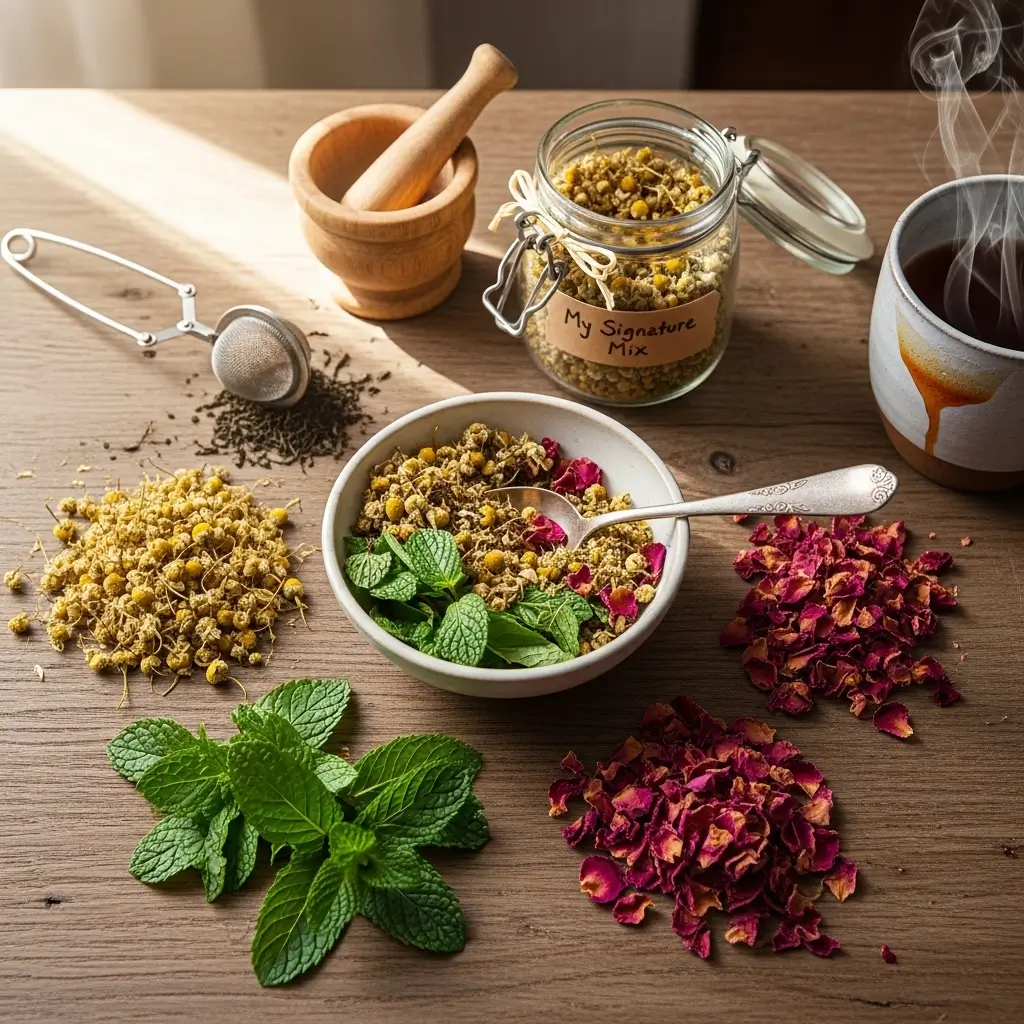
Taste, adjust, and write it down. Making a signature tea gives your garden personality and makes every cup feel personal. You’ll discover combinations that make your mornings brighter or evenings calmer.
Sharing your blends with friends can be extra fun too. Your tea garden becomes not just a garden but a source of creativity and joy.
Final Thoughts
A tea garden is more than plants. It’s a place for calm, creativity, and delicious tea. By choosing your mood, planning flavors, and creating a small ritual, you can make a garden that feels personal and inspiring.
Even a tiny corner or a few containers can become your special tea retreat. With each harvest, drying session, and blend, you’ll feel more connected to your garden and the tea you drink.
Start small, experiment, and enjoy the magic of making your own tea right at home.