
Garden Maintenance Tips to Keep Your Space Fresh and Healthy
Taking care of a garden doesn’t have to be hard. With a little effort and some simple steps, your plants can stay healthy, green, and full of life.
Garden maintenance is really about keeping things tidy, feeding your plants, and making sure they have what they need to grow.
Whether you have a small backyard, a few pots on your balcony, or a bigger garden, these tips will help you keep it looking fresh.
Think of it as giving your plants the same care you would give a pet: regular check-ups, water, food, and a bit of love.
1. Water Regularly, But Don’t Overdo It
Water is the lifeline of your garden, but too much can be just as harmful as too little. Instead of watering a little every day, give your plants a deep soak a few times a week.
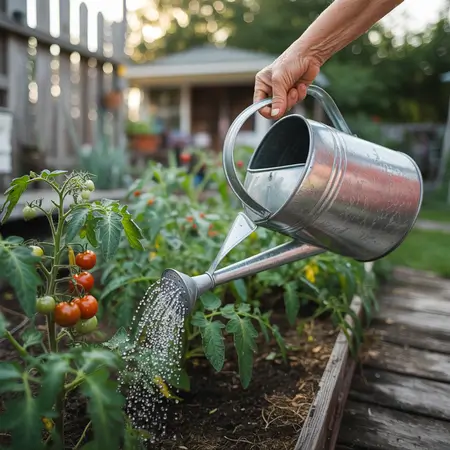
This helps roots grow strong and healthy. A quick trick is to stick your finger into the soil. If it feels dry, it’s time to water.
I prefer watering early in the morning so plants can drink before the heat sets in. This way, the soil stays moist longer and plants stay happy.
2. Keep Weeds Under Control
Weeds may look harmless, but they steal sunlight, water, and nutrients from your plants. If you let them grow, they spread quickly and create more work later.
The best way to handle weeds is to pull them out as soon as you see them. I keep a small hand tool by the garden door so I can grab a few whenever I walk by.
A few minutes here and there saves hours of work down the road. Plus, a weed-free garden always looks cleaner and more inviting.
3. Feed Your Plants with Compost or Fertilizer
Just like people, plants need food to grow strong and stay healthy. Compost and natural fertilizers are the best way to give them a boost.
Compost adds nutrients while also improving soil structure, making it softer and easier for roots to grow. I like to sprinkle a thin layer around the base of my plants two or three times a year.
It’s simple, effective, and cuts down on waste. You’ll notice your plants grow taller, leaves turn greener, and flowers bloom brighter with a regular feeding schedule.
4. Trim and Prune When Needed
Trimming and pruning might feel like extra work, but it’s one of the easiest ways to keep plants healthy. Removing dead leaves, faded flowers, and overgrown stems helps plants use their energy for new growth.
I usually walk around with my garden scissors once a week and snip off anything that looks dry or crowded. It not only keeps the plants strong but also makes the garden look neat and well-kept.
Fresh growth after pruning always feels rewarding and gives the whole garden new energy.
5. Mulch to Keep Soil Healthy
Mulching is like giving your garden a blanket. A layer of straw, wood chips, or dry leaves spread over the soil helps lock in moisture, block weeds, and protect plant roots from harsh heat or cold.
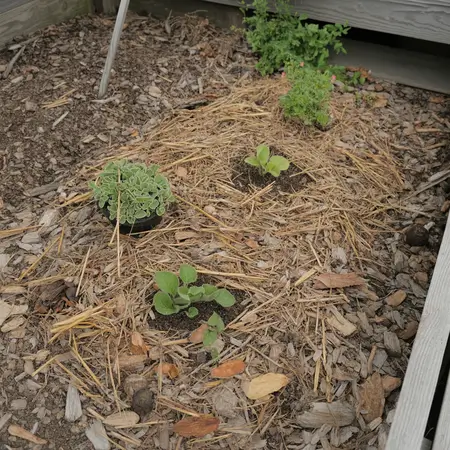
It also adds nutrients to the soil as it breaks down. I love mulching around new plants because it makes caring for them easier and keeps everything looking tidy.
A simple layer of mulch can save you time on watering and weeding while also keeping your garden beds looking finished and clean.
6. Watch for Pests and Diseases
Garden pests and plant diseases often show up without warning. Look closely at your plants—yellow spots, holes in leaves, or sticky marks are often signs of trouble.
Catching it early makes it easier to fix. I like using natural methods first, like spraying plants with soapy water or neem oil. These gentle options protect your garden without harsh chemicals.
Keeping an eye on your plants a few minutes each day can stop bigger problems later. Healthy plants are much better at fighting off pests and staying strong.
7. Clean and Care for Your Tools
Your garden tools need care just like your plants. After digging, trimming, or cutting, tools pick up dirt and moisture that can cause rust.
Wipe them clean and store them in a dry place so they last longer. Sharp tools also make your work easier and healthier for plants because cuts are cleaner.
I give my tools a quick clean every weekend, and it always feels good to have them ready to go when I need them. Simple habits like this save money and time in the long run.
8. Rotate Plants Each Season
If you grow vegetables, planting the same crop in the same spot each year can wear out the soil and attract pests. Rotating plants keeps the soil healthy and balanced.
For example, follow tomatoes with beans, since beans return nitrogen to the soil. It also makes gardening more fun because you get to try different plants in new spots.
I started rotating my crops a few years ago, and the difference in plant health was clear right away. It’s a simple habit that brings long-lasting benefits to your garden.
9. Give Plants Enough Space
Crowded plants fight each other for water, sunlight, and nutrients. Even if it looks nice at first, it can weaken your plants over time.
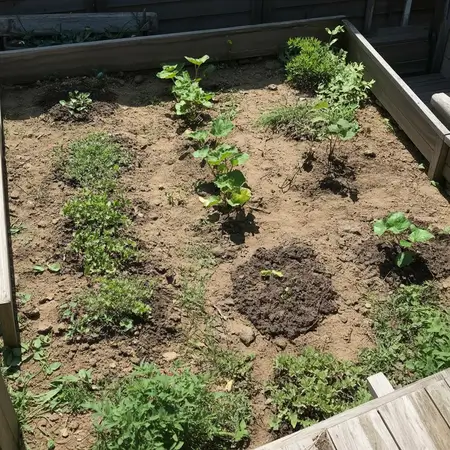
When planting, read the spacing instructions on the packet or tag, and resist the urge to squeeze in too many. At first, the gaps may look bare, but soon the plants will grow to fill the space naturally.
I made the mistake of planting too close when I started gardening, and I ended up pulling out plants later. Giving them space leads to healthier, fuller growth.
10. Stay Consistent with Care
The most important garden maintenance tip is to stay consistent. Gardens don’t need hours of work every day, but a few minutes here and there make all the difference.
Walk through your garden often, check for signs of stress, and handle small problems before they grow. I treat it like brushing my teeth, just part of my daily routine.
The more time you spend with your garden, the more connected you feel to it. Consistency is the secret to keeping your garden healthy and enjoyable year-round.
Final Thoughts
Garden maintenance is not about doing big, difficult jobs. It’s about small, steady care that adds up over time.
When you water wisely, control weeds, feed your plants, trim when needed, and watch for pests, you set your garden up for success.
Add in mulch, clean tools, crop rotation, and enough space, and you’ll have a garden that stays fresh, strong, and full of life. The best part? Spending regular time in your garden doesn’t just help the plants—it brings peace and joy to you as well.