
11 Ways to Grow Plants with Cardboard Boxes (Simple & Cheap)
Cardboard boxes aren’t just for moving or storing things. They can also be used for gardening in simple and smart ways.
With a few boxes, some soil, and your plants, you can start growing right at home. The best part is that cardboard is cheap, easy to find, and breaks down naturally over time.
Whether you have a yard, a patio, or just a small outdoor spot, cardboard box gardening can work for you. In this blog, we’ll look at practical ways to use cardboard boxes to grow your plants without making it complicated.
1. Cardboard Raised Beds
Cardboard boxes can be used as simple raised beds. Just place a box where you want to grow, fill it with soil, and plant your seeds.
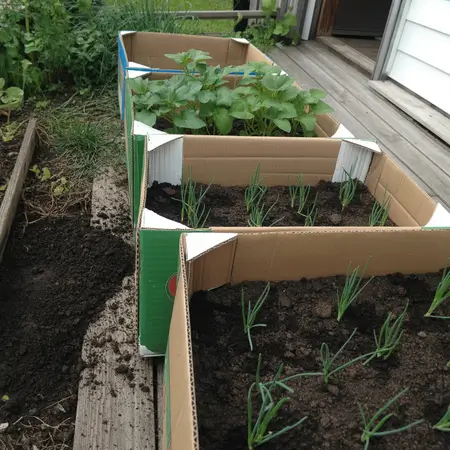
The box acts as a container, keeping the soil in place and making a neat growing area. Over time, the cardboard will break down into the soil, adding organic matter.
This makes it an easy and cheap way to start a garden without building wooden frames. It’s perfect for small yards, patios, or even as a test before making bigger garden beds.
2. Sheet Mulching with Cardboard
If you want to turn a weedy patch into a planting space, cardboard can help. Flatten boxes and lay them over the weeds, overlapping the edges so no sunlight gets through.
Then, add soil or compost on top. The cardboard blocks weeds from growing and slowly breaks down, feeding the soil underneath.
This method is called sheet mulching, and it’s one of the simplest ways to prepare a new garden bed without digging. It’s also a great way to recycle old boxes while creating healthy planting areas.
3. Compost Starter with Cardboard
Cardboard is a great “brown” material for composting. Tear or shred boxes into small pieces and mix them with food scraps, grass clippings, or other “green” materials.
The cardboard helps balance moisture and adds carbon, which is important for healthy compost. It also prevents the pile from getting too wet or smelly.
Over time, the cardboard breaks down and turns into rich compost that your garden will love. Using cardboard this way saves money on compost ingredients and gives you a clean, eco-friendly way to recycle boxes.
4. Potato Growing in Boxes
Potatoes grow really well in cardboard boxes. Start with a few seed potatoes at the bottom of a half-filled box of soil.
As the plants grow, keep adding more soil and fold the sides of the box up higher if needed. The cardboard keeps the soil in place and makes harvesting easy. Just tear open the box when the potatoes are ready.
This method is perfect if you don’t want to dig in the ground. Plus, once the season is over, the cardboard can go straight into compost.
5. Seedling Starters
Small cardboard boxes, like shoe or snack boxes, can be turned into seedling trays. Line them with newspaper if needed, add soil, and plant your seeds.
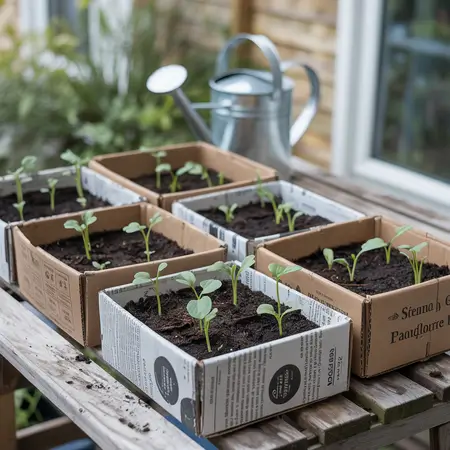
The cardboard keeps the soil together and makes moving the seedlings easy. Once the plants are strong enough, you can either transplant them into bigger containers or cut the box apart and plant the whole thing in the ground.
Since cardboard breaks down naturally, it won’t harm your plants. This is a simple, no-cost way to start your garden plants indoors or outdoors.
6. Weed Barrier Under Soil
Cardboard can be used as a barrier to stop weeds from spreading into your garden beds. Flatten the boxes and lay them down before adding soil, mulch, or compost on top.
The cardboard blocks sunlight, which prevents weeds from growing. At the same time, it slowly decomposes, adding organic matter to the soil.
This method is especially useful in areas with tough weeds that keep coming back. Using cardboard instead of plastic is better for the environment, and it saves you from hours of pulling weeds later.
7. Temporary Planters
If you’re short on pots or containers, cardboard boxes make great temporary planters. Line the inside with newspaper or a plastic sheet so the soil doesn’t leak out.
Fill it with soil and plant herbs, lettuce, or flowers. These work well for short-term crops or for plants that you plan to move later.
The box may only last a season, but that’s enough time for many plants to grow. When the box starts breaking down, you can compost it along with the leftover roots and soil.
8. Raised Pathways
Flattened cardboard boxes can be used to make simple garden paths. Just lay them on the ground where you want a walkway, and cover them with mulch, wood chips, or straw.
The cardboard keeps weeds from growing on the path while making it easier to walk around your garden. It also helps keep your shoes dry when the ground is wet.
Over time, the cardboard will decompose, but you can always add more layers. This method is cheap, easy, and saves you from constant weeding in walkways.
9. Lasagna Gardening Base
Cardboard is an excellent base layer for “lasagna gardening,” also called no-dig gardening. Lay flattened boxes on the ground, then stack layers of compost, grass clippings, leaves, and other organic matter on top.
The cardboard smothers weeds while slowly breaking down into the soil. This creates a rich, healthy garden bed without any digging.
It’s like building a layered cake, but for plants. Using cardboard this way makes gardening easier, improves soil over time, and reuses materials you already have at home.
10. Moisture Control
Cardboard holds onto water longer than regular soil. When used as part of a garden bed or under mulch, it helps keep moisture in the ground.
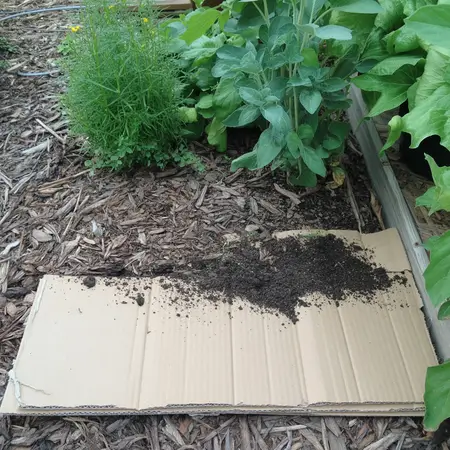
This is especially helpful during hot weather when plants dry out quickly. By adding cardboard under your planting area, you create a natural sponge that saves water and reduces the need for frequent watering.
Since the cardboard breaks down slowly, it also improves the soil’s ability to hold moisture long-term. This is a simple trick to keep plants healthy and strong.
11. Root Protection
Cardboard boxes can act as a shield against invasive roots from nearby trees or tough weeds. By placing a box in the ground and filling it with soil, you create a barrier that keeps your garden plants safe.
The box holds the roots of your chosen plants while slowing down the spread of unwanted roots. Over time, the cardboard breaks down, but by then, your plants will already be established.
This method works well for vegetables, flowers, or herbs that need a little extra protection to grow strong.
Final Thoughts
Cardboard box gardening is a simple, low-cost way to grow plants almost anywhere. From starting seedlings to building raised beds, cardboard can do a lot in the garden.
It saves money, reduces waste, and makes gardening easier for beginners and experts alike. Cardboard naturally breaks down, leaving behind healthier soil.
Next time you have extra boxes, don’t toss them out. Turn them into a garden project instead. With just a little effort, those plain boxes can help you grow food, flowers, and more.