
15 Gardening Tips And Tricks to Save Time and Grow More
Gardening is one of those things that looks easy from the outside, but once you get your hands in the dirt, you find there’s always something new to learn.
Plants don’t come with rule books, and every garden is a little different. That’s why simple, smart tips can make a big difference.
Whether you’re growing food, flowers, or just a few pots on your balcony, knowing the right tricks can save time, cut down on work, and help your plants stay healthy.
Here are some easy tips and tricks that anyone can use, no matter if you have a big yard or just a few pots.
1. Start with Good Soil
Healthy plants need healthy soil. Before you plant, check your soil. Is it hard, sandy, or sticky? Add compost or organic matter to make it rich and full of nutrients.
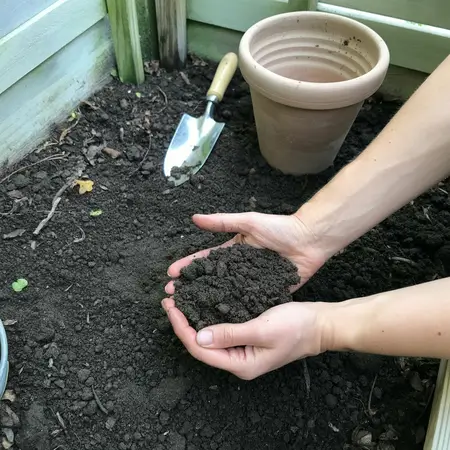
Good soil drains well but still holds some water. If you’re growing in pots, use potting mix instead of regular dirt, since it’s lighter and helps roots grow better.
Think of soil like the foundation of a house. If it’s strong, everything else will be stronger too.
2. Water in the Morning
Watering in the morning gives plants a good start for the day. The roots soak up water before the sun gets too hot. This keeps plants from drying out and reduces stress.
Watering early also helps leaves dry faster, which lowers the risk of mold or disease. Try to water near the base of the plant instead of spraying the leaves.
This way, the water goes where it’s needed most straight to the roots.
3. Mulch to Keep Soil Moist
Mulch is like a blanket for your garden. Spread wood chips, straw, or leaves around your plants to help the soil hold water and stay cool.
Mulch also keeps weeds down, which means less work for you. Over time, natural mulch breaks down and adds nutrients to the soil.
Just be careful not to pile mulch too close to the stems of your plants, since that can cause rot. A nice layer of mulch makes your garden look neat and healthy.
4. Rotate Crops in Veggie Beds
If you grow vegetables, don’t plant the same crop in the same spot every year. This is called crop rotation.
Moving your veggies around helps keep the soil balanced and reduces pests and diseases. For example, if you plant tomatoes in one spot this year, try growing beans or lettuce there next year.
Different plants use different nutrients, so rotating gives the soil time to recover. This simple trick keeps your garden healthy without extra chemicals.
5. Prune Regularly for Stronger Growth
Pruning means trimming back dead or crowded parts of your plants. It might feel strange to cut off parts of a plant, but it actually helps it grow better.
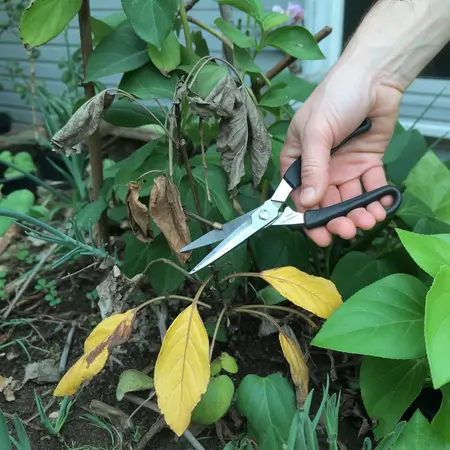
Removing dead leaves, broken branches, or extra shoots gives the plant more energy to focus on healthy growth. For flowers, pruning can mean more blooms.
For fruit and veggie plants, it often means more harvest. Use clean, sharp scissors or shears, and don’t be afraid. Plants usually bounce back stronger after a good trim.
6. Use Kitchen Scraps for Compost
Don’t toss out those veggie peels, coffee grounds, or eggshells. Instead, save them for compost. Compost turns waste into rich soil food.
You can keep a small compost bin outside or even try a simple bucket system. Over time, scraps break down into dark, crumbly material that you can mix into your soil.
This adds nutrients without needing store-bought fertilizer. Composting is an easy way to recycle and feed your plants at the same time.
7. Attract Pollinators
Bees, butterflies, and even some birds help plants by spreading pollen. Without pollinators, many fruits and veggies wouldn’t grow.
To invite them into your garden, plant flowers like sunflowers, lavender, or zinnias. Avoid harsh pesticides, since these can harm pollinators.
Adding a small water dish or shallow birdbath can also help. When your garden is buzzing with life, you’ll notice healthier plants and bigger harvests.
8. Use Raised Beds for Better Control
Raised beds are great if your soil is poor or you want an easier garden to manage. By building a box with wood, bricks, or even metal stock tanks, you can fill it with good soil and control what goes in it.
Raised beds drain well, warm up faster in spring, and are easier to reach without bending too much. They also make it simple to keep weeds out. If space is limited, raised beds can help you grow more in a smaller area.
9. Don’t Overcrowd Plants
It’s tempting to plant lots of seeds close together, but plants need space. If they’re too crowded, they’ll fight for sunlight, water, and nutrients.
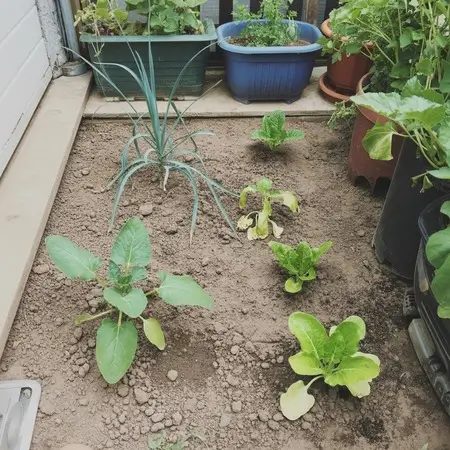
This can make them weak and more likely to get sick. Always check the spacing instructions on seed packets or plant tags.
Giving each plant enough room lets them spread their roots and grow strong. A few healthy plants often produce more than a crowded patch of struggling ones.
10. Harvest Often to Encourage More Growth
Picking fruits, vegetables, and herbs regularly encourages plants to keep producing. For example, the more you pick beans or cucumbers, the more the plant will make.
With herbs, snipping the tops helps them grow fuller instead of tall and thin. Don’t wait too long to harvest, since overripe produce can slow down the plant.
Freshly picked food tastes better anyway, so enjoy it often and let the plant reward you with more.
11. Learn Your Local Growing Season
Every area has its own climate and growing season. Some plants love hot weather, while others prefer cool days.
Knowing when to plant makes a big difference. You can check local garden centers or online charts for your region.
Planting at the right time means fewer problems and healthier crops. For example, lettuce does best in cool spring or fall weather, while peppers and melons love summer heat. Timing is everything in gardening.
12. Keep Tools Clean and Sharp
Sharp, clean tools make gardening easier and safer. Dirty or dull tools can spread plant diseases and make jobs harder.
Take a few minutes after each use to rinse dirt off and dry your tools. Sharpen pruners and shovels when needed so they cut smoothly.
Storing tools in a dry place also helps them last longer. Think of it like taking care of a good kitchen knife. If you keep it clean and sharp, it always works better.
13. Use Natural Pest Control
Not all bugs are bad, but some can damage plants. Instead of using harsh chemicals, try natural pest control.
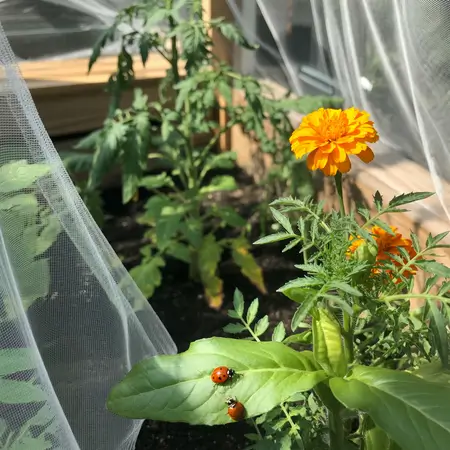
For example, ladybugs eat aphids, and marigold flowers can help keep some pests away. You can also spray soapy water on leaves to handle small infestations.
Covering plants with mesh can protect them from larger pests like birds or rabbits. Natural methods are safer for your plants, your soil, and the helpful insects that live in your garden.
14. Save Seeds from Strong Plants
If you grow vegetables or flowers you love, try saving seeds from the strongest plants. Dry them out and store them in a cool, dry place for next season.
This way, you’ll know the plants are well-suited to your garden since they already grew there once. Saving seeds also saves money and keeps your garden connected year after year. It’s a simple tradition that many gardeners enjoy.
15. Label Plants to Stay Organized
It’s easy to forget what you planted where, especially when seeds are just tiny sprouts. Using plant labels helps you stay organized.
You can use store-bought tags, or make your own with popsicle sticks, rocks, or even painted spoons. Write the plant name and the date you planted it.
This way, you’ll always know what’s growing and how old it is. Labels are a small trick that makes your garden easier to manage.
Final Thoughts
Gardening doesn’t have to be complicated. With a few simple tricks, you can save time, grow healthier plants, and enjoy the process more.
Start with good soil, water wisely, and give your plants space to thrive. Remember, every garden is a learning experience.
The more you try, the more you’ll discover what works best for you. Whether you’re growing food, flowers, or just a few herbs, these tips will help you enjoy the journey and the harvest that comes with it.