
Step Into a Storybook with These Cottage Garden Ideas
A cottage garden is full of charm, color, and life. It is not about straight lines or perfect shapes. Instead, it is about plants growing close together, filling every corner with beauty and food.
Cottage gardens are lively, cozy, and welcoming. You don’t need a huge yard to start. Even a small space can turn into a cottage-style garden.
Here are some simple cottage garden ideas you can try:
1. Mix Flowers, Herbs, and Vegetables Together
One of the best things about a cottage garden is how plants can grow side by side. Instead of putting vegetables in one place and flowers in another, mix them all together.

You might plant tomatoes with marigolds, basil with roses, or beans climbing near sunflowers. This mix makes the garden look colorful and full. It also helps the plants.
Flowers can keep away pests, while herbs add nice smells. Vegetables grow better with good company. The mix feels natural and makes the garden come alive.
2. Choose Old-Fashioned Flower Varieties
Old-style flowers give a cottage garden its timeless look. Plants like hollyhocks, foxgloves, and daisies have been grown for hundreds of years. They bring charm and color that modern gardens sometimes lack.
These flowers often grow tall and bloom for a long time, filling your space with beauty. Daisies look cheerful, foxgloves add height, and hollyhocks are striking against fences or walls.
By choosing these classic flowers, your garden feels warm and inviting, almost like stepping into a storybook. They remind us of simple, traditional gardens from the past.
3. Plant in Layers
Layering plants makes your garden look full and balanced. Think about a stage: tall plants go at the back, medium ones in the middle, and short ones in front.
For example, you can grow hollyhocks or sunflowers in the back row, lavender or peonies in the middle, and herbs like thyme or pansies in the front.
This setup makes sure each plant gets sunlight and shows its beauty. It also makes the garden easier to see and enjoy. Layers bring depth and help small spaces look bigger and more alive.
4. Let Plants Self-Seed
A cottage garden should look natural, not planned too much. One way to get this look is by letting plants self-seed. This means you don’t pull out flowers when they are done.
Instead, let them drop seeds on the ground. Next year, new plants will grow in new spots, sometimes in surprising places. It makes the garden feel wild and fresh, as if it grew on its own.
You’ll also save money because you don’t have to buy seeds every year. It’s like the garden is giving back to you.
5. Add Fruit Bushes and Small Trees
Cottage gardens are not just about flowers. Adding fruit bushes and small trees makes them even more useful and fun.

You can grow raspberries, currants, or blueberries, which don’t take much space. Apple, plum, or cherry trees also work well in small yards. These plants bring shade, color, and food for your family.
They also attract birds and bees, making your garden lively. Fruit bushes and trees add layers and height, so the garden looks fuller. Plus, it feels rewarding to eat fresh fruit from your own garden.
6. Grow Climbing Plants on Trellises or Walls
Climbing plants are a key part of any cottage garden. They grow up fences, walls, or arches and make the space feel cozy and full.
Roses, honeysuckle, clematis, and even beans can climb and cover bare spots. They bring height, fragrance, and beauty. For example, a climbing rose over an arch looks magical, while honeysuckle brings sweet smells.
Climbing plants also give shade in the summer and can even hide less pretty areas. They make the garden feel alive, wrapping your space in greenery and flowers.
7. Fill Paths with Plants
In a cottage garden, even the paths should feel alive. Instead of leaving them plain, plant herbs or flowers along the sides. Plants like thyme, chamomile, or alyssum are perfect.
They spread slowly, smell good, and add soft color. When you walk on them or brush past, they release gentle scents. Filling paths with plants makes the whole garden feel connected.
Every step becomes part of the experience. It’s a simple idea, but it adds charm and warmth. Even narrow paths can feel magical with plants growing close by.
8. Use Perennials for Easy Care
Perennials are plants that come back every year, which makes them perfect for a cottage garden. Once you plant them, they keep returning without much work.
Flowers like lavender, peonies, and coneflowers are strong and colorful choices. They save you time and money because you don’t have to replant them each season.
Perennials also spread and get bigger over time, filling your garden more each year. With them, your garden becomes easier to care for while still looking beautiful. They bring both reliability and charm to your space.
9. Encourage Pollinators
A healthy cottage garden is full of life, not just plants. Bees, butterflies, and birds all play a big role. To invite them, grow plants that attract them, like lavender, thyme, sunflowers, or zinnias.
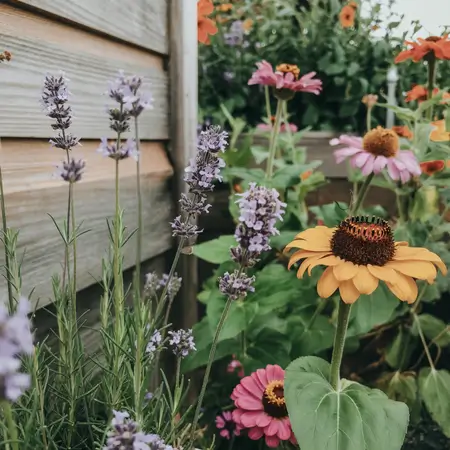
Pollinators make the garden more colorful and lively. They also help vegetables and fruits grow better by spreading pollen.
Watching butterflies land on flowers or bees buzzing happily makes the garden feel joyful. By growing pollinator-friendly plants, you not only help your garden but also support nature in your area. It’s a win-win.
10. Mix Colors and Textures Freely
One of the best things about a cottage garden is its freedom. You don’t need to match colors or make everything neat.
Instead, mix bold colors with soft ones, big blooms with tiny flowers, and smooth leaves with rough textures. For example, bright zinnias can grow beside pale daisies, or spiky lavender can mix with soft roses.
This variety makes the garden look wild and exciting. Every corner is different, full of surprises. The beauty of a cottage garden comes from its playful, natural mix.
Final Thoughts
A cottage garden is not about being perfect. It is about growing plants close, letting them mix, and enjoying the charm they bring.
Flowers, herbs, vegetables, and fruits can all live side by side. The more natural it feels, the better.
Start small, with a few flowers or herbs, and let your garden grow over time. Soon, you’ll have a lively space that looks and feels like home.