
12 Square Foot Gardening Ideas to Grow More in Less Space
Square foot gardening is a simple way to grow more food in less space. Instead of long rows, you divide a raised bed into small, equal squares.
Each square can hold different plants, making your garden neat, organized, and productive. It works for beginners, kids, or anyone with limited space.
Below are some practical square foot gardening ideas you can try, one square at a time.
1. Salad Garden Square
A salad square is one of the easiest ways to start. Fill it with quick-growing greens like lettuce, spinach, and arugula.
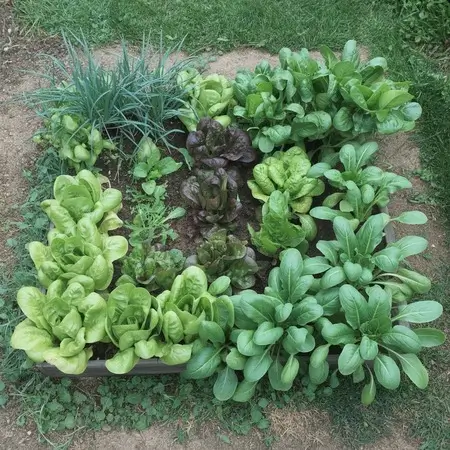
These plants grow fast, and you can keep harvesting outer leaves while the center keeps producing. A single square can give you enough greens for fresh salads every week.
The best part is how little effort it takes: water, harvest, repeat. It’s a simple and satisfying square that fits perfectly into any garden plan.
2. Herb Square
Herbs are small but mighty, and they thrive in a square foot garden. You can mix basil, parsley, cilantro, and chives in one square without crowding.
They don’t need much space, and trimming them often encourages more growth. Having fresh herbs nearby means you’ll always have flavor for your cooking.
Plus, the mix of herbs adds a fresh scent to your garden. It’s like a mini kitchen supply right outside your door.
3. Root Veggie Square
Root vegetables grow underground, so they don’t compete much for space above the soil. In a single square, you can plant carrots, radishes, or beets close together.
Radishes grow fast and are ready in just a few weeks, while carrots and beets take longer but reward you with sweet, crisp harvests.
Since the tops stay small, you can fit quite a few in one square. It’s a neat, space-saving way to grow fresh roots.
4. Tomato + Companion Plants Square
Tomatoes need support, but one plant can still thrive in a single square. Add basil or marigolds as companions in the same space.
Basil improves flavor and growth, while marigolds help keep pests away. This combo makes the most of one square while also protecting your tomato plant.
Just be sure to use a stake or cage so the tomato can grow tall without crowding its neighbors. It’s a smart square with big results.
5. Mixed Greens Square
If you like variety, try filling one square with a mix of leafy greens. Kale, Swiss chard, and mustard greens all grow well together.
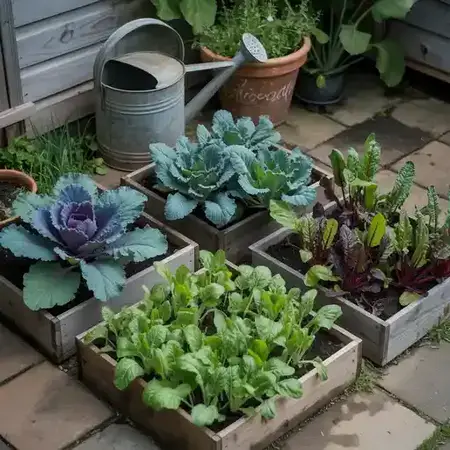
These plants can be picked often, giving you a steady supply of fresh leaves. They also come in different colors greens, reds, and even purples, so the square looks vibrant.
Having mixed greens means you can add flavor and nutrition to meals any time. It’s one of the most reliable and colorful squares.
6. Climbing Veggie Square
Climbing plants make great use of vertical space in a square. Add a trellis to the back of one square and plant cucumbers, pole beans, or peas.
These crops grow upward, leaving room in front for smaller plants if you want to mix them. Harvesting is easy since the fruits hang down neatly.
It’s an efficient way to grow more food without taking extra ground space, perfect for small gardens or raised beds.
7. Snack Garden Square
This square is all about fun and quick bites. Plant cherry tomatoes and baby carrots together, or add a small cucumber for variety.
These are all easy-to-grow crops that kids and adults love to snack on. The small size of the veggies makes them ready to pick straight from the garden.
It’s a simple idea but very rewarding. Imagine walking out and grabbing fresh snacks right off the vine whenever you like.
8. Kid-Friendly Square
Gardening with kids is easier when they have their own space. Dedicate one square to easy, fast-growing plants like radishes, peas, or strawberries.
Radishes sprout quickly, peas climb and are fun to pick, and strawberries are always a treat. These choices keep kids interested while teaching them where food comes from.
It also gives them a sense of pride when they harvest something they grew themselves. A kid-friendly square makes gardening more interactive and fun.
9. Pollinator Square
Your veggies grow better when pollinators visit. Dedicate a square to flowers like marigolds, nasturtiums, or calendula.
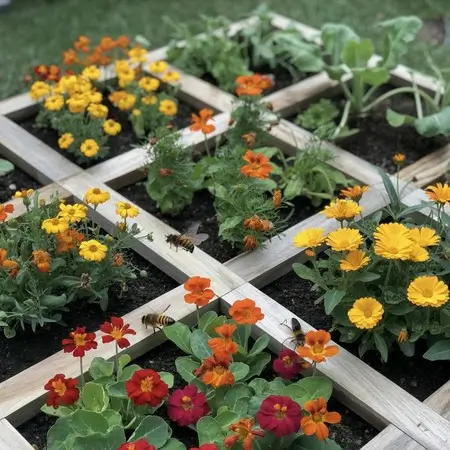
These colorful blooms attract bees, butterflies, and other helpful insects. They also add brightness to your garden and can help deter certain pests.
Having one pollinator square improves the health of the whole garden while making it more lively and inviting. It’s a small step that brings big benefits, both for your plants and for local pollinators.
10. Seasonal Rotation Square
Keep your garden fresh by rotating crops in one square each season. In spring, start with greens like lettuce or spinach.
In summer, switch to beans or peppers. In fall, plant root crops like carrots or turnips. Rotating keeps the soil balanced and makes sure you always have something ready to harvest.
It also helps prevent pests and diseases from building up. A seasonal rotation square keeps your garden active and productive all year.
11. Pepper Square
Peppers grow upright and don’t spread much, so they’re a perfect fit for a square foot. You can grow bell peppers for sweet crunch or hot peppers for spice.
Each plant fits neatly in its square, producing colorful fruits throughout the season. Peppers also handle warm weather well, so they’re low-maintenance once established.
Whether you want them for salads, stir-fries, or salsa, a pepper square adds flavor and variety to your harvest with little effort.
12. Compact Fruit Square
Fruit in a square foot garden is possible with the right plants. Strawberries are the best choice since they spread nicely and keep producing through the season.
You can also try dwarf berry bushes like blueberries or raspberries if you have the right soil.
A fruit square adds sweetness to your garden and is especially fun for kids. It may take a little patience, but the reward of fresh berries is worth every inch of space.
Final Thoughts
Square foot gardening is about making the most of small spaces. Each square becomes a focused project, whether it’s herbs, greens, or even strawberries.
You can mix and match based on what you like to eat, and every square will give you something useful. It’s simple, organized, and highly rewarding.
Even with just a few squares, you’ll be surprised at how much fresh food you can grow, one square at a time.