
24 Flower Garden Photoshoot Ideas You’ll Actually Want to Try
Flower gardens have a quiet magic that makes every photo feel special. Soft light, natural colors, and simple blooms can turn even the smallest space into a great photoshoot spot. You don’t need perfect flowers or a big garden. Just a fresh way to see what’s already there.
These flower garden photoshoot ideas are easy, natural, and made for real gardens. If you’ve been skipping photos, this is your sign to start.
1. Walk-Through Shots
Walking through a garden gives your photos a natural, effortless feel. Let your subject move slowly, brushing their hands through flowers or looking around softly.
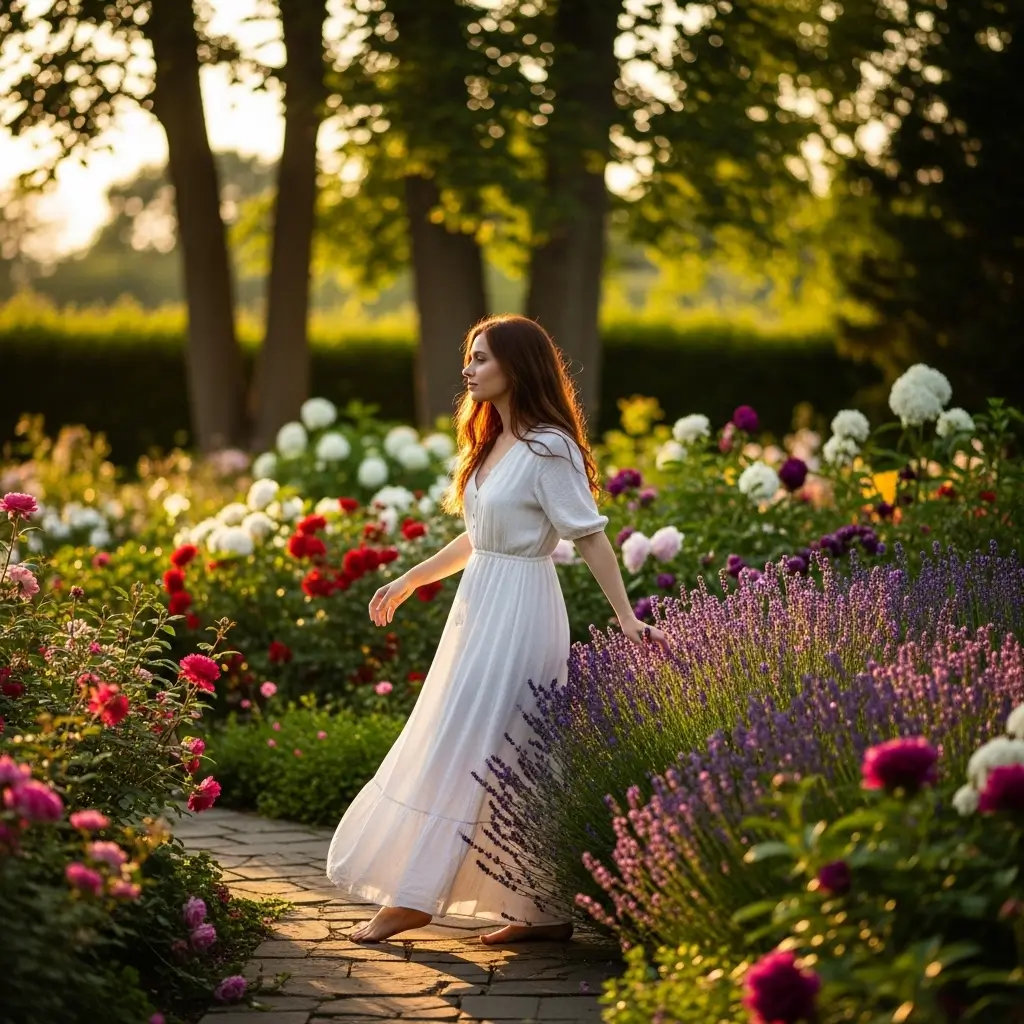
Don’t over-pose; the slight movement adds life to the image. Capturing someone in motion makes the garden feel alive and inviting.
Shooting from behind or slightly to the side creates depth, letting viewers imagine themselves walking among the blooms. This style works well in both small and large gardens.
2. Close-Ups of Imperfect Blooms
Not every flower needs to be perfect. Photographing bent stems, half-open petals, or blooms with small marks gives your photos authenticity.
Imperfections make images feel real, emotional, and intimate. Focus closely on details like textures and subtle colors. Even a single flower can tell a story when highlighted properly.
These shots often stand out because they show honesty, rather than staged perfection.
3. Looking Down Angle
Shooting from above offers a fresh perspective. Stand over flower beds, pots, or wild growth to capture patterns and textures that are often missed.
This angle works especially well for dense gardens or mixed arrangements. It creates a top-down view that’s visually appealing and can turn ordinary flowers into interesting compositions.
You can also include hands or small objects for scale.
4. Flower + Hands
Hands interacting with flowers instantly humanize a photo. Hold a bloom, touch petals gently, or rearrange a small bouquet.
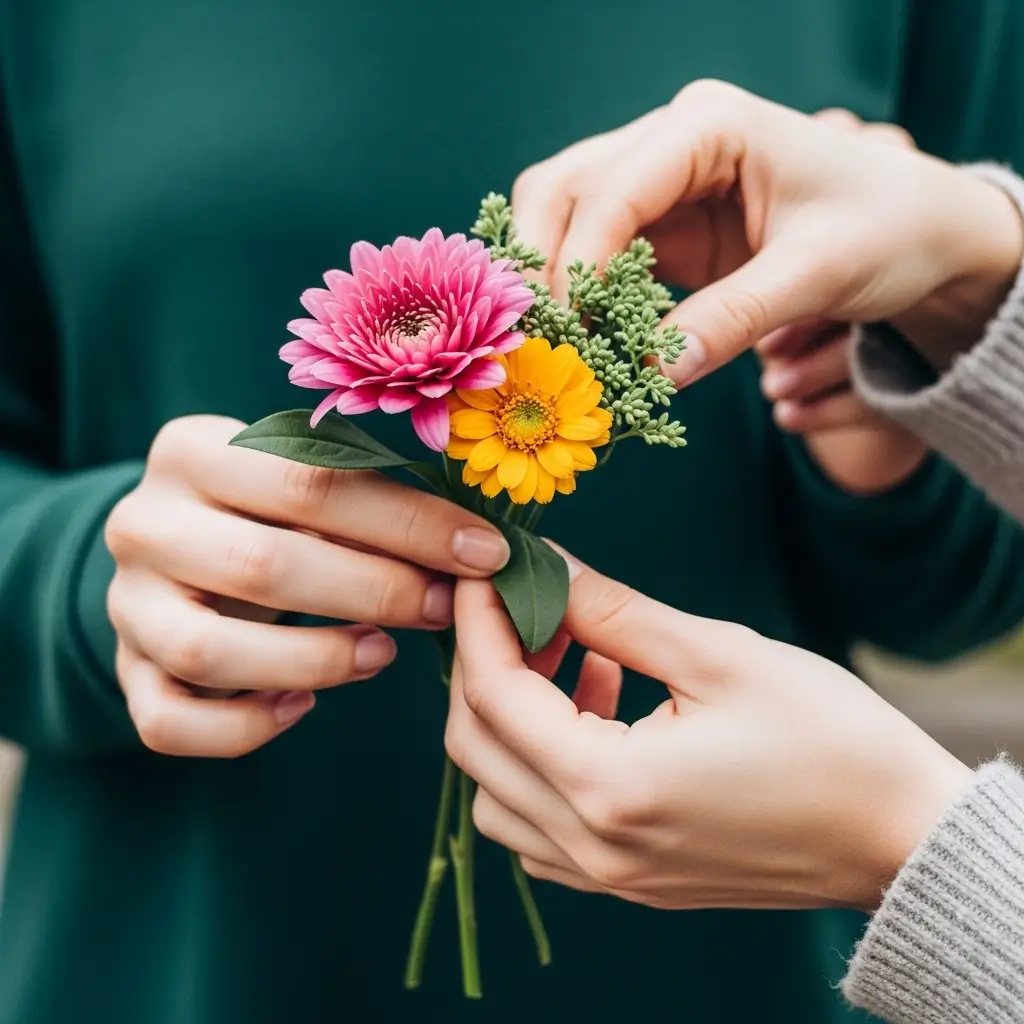
Natural hands, without heavy styling, make the image feel personal and relatable. Close-up shots work best here, focusing on the delicate connection between people and plants.
These photos often feel soft, warm, and inviting—a perfect fit for Pinterest feeds.
5. Sitting Among Flowers
Sitting low in the garden or on a small stool brings your subject into the flower space. Wide-angle shots work best, showing flowers surrounding them on all sides.
This approach adds scale and depth, making the garden feel immersive. It’s especially effective in smaller gardens, patios, or balconies, where the flowers can frame your subject naturally.
Relaxed poses make the scene feel calm and approachable.
6. Side Profile Portraits
Side profiles near flowers create soft, intimate portraits. Let petals or stems partially cover the face to add mystery and texture.
This angle works well for both people and pets. Pairing the subject with nearby blooms draws attention to natural interactions, like smelling a flower or brushing leaves aside.
Soft lighting enhances the gentle mood, giving your photos a calm, dreamy feeling.
7. Backlit Flower Shots
Using light behind flowers makes petals glow beautifully. Early morning or late afternoon sunlight is perfect for this. Position your subject or flowers so the light shines through them, creating a subtle halo effect.
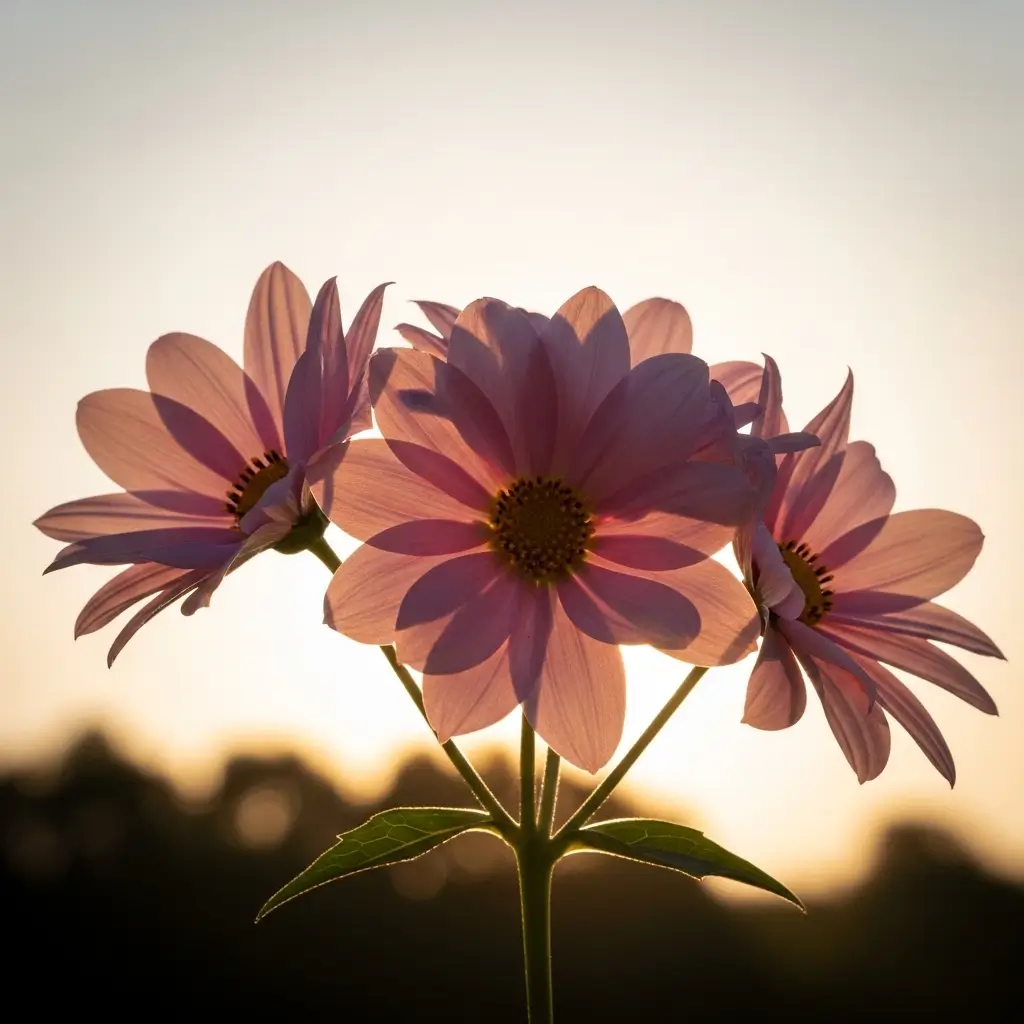
Backlighting adds warmth and depth to your photos, emphasizing details that may be missed in direct light. It’s a simple trick that makes ordinary flowers feel magical.
8. One Color Focus
Focusing on one flower color simplifies your image and makes it pop. Fill the frame with blooms of the same shade for a cohesive, eye-catching shot.
This approach works well for Pinterest because it creates clean, scroll-stopping visuals. It also highlights subtle variations in tone and texture within the same color family, making even small gardens look vibrant and curated.
9. Through-the-Leaves Framing
Use leaves or stems in the foreground to frame your subject. This adds natural depth and gives the impression of peeking into the garden.
Blurring the foreground slightly while keeping your subject in focus creates dimension. It’s an easy way to make photos feel layered and immersive without complicated setups.
Framing through foliage adds a soft, organic touch to every shot.
10. Tools + Flowers
Including simple garden tools adds context and realism. A small watering can, gloves, or a hand trowel can make a scene feel lived-in. Don’t clean them too much. Slight dirt or wear adds charm.
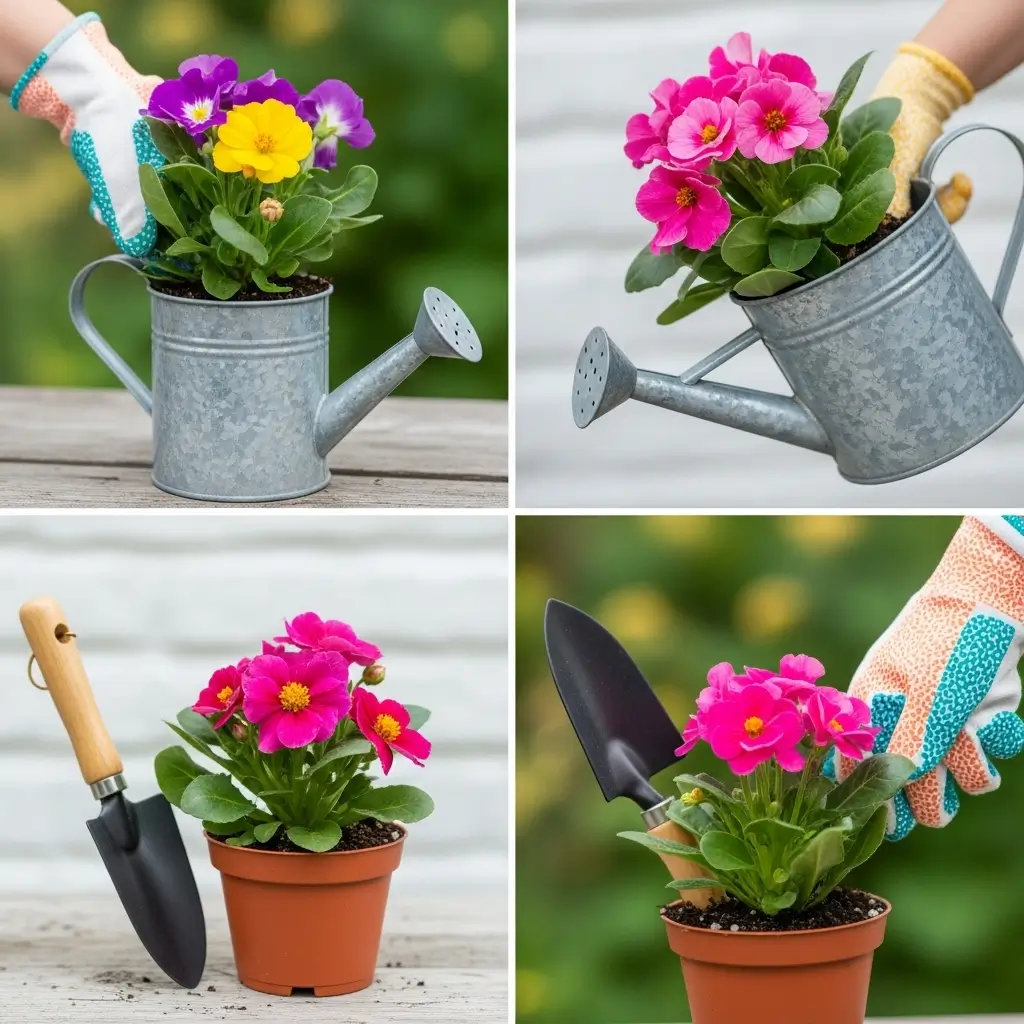
Pair tools with flowers naturally, like holding a freshly picked bloom or watering a pot. These shots feel authentic, approachable, and relatable for viewers who love gardening or DIY projects.
11. Flower Shadows
Shadows cast by flowers create striking, artistic visuals. Capture them on walls, paths, or light-colored fabric. Even simple flowers can form beautiful patterns when light hits them at the right angle.
Shadow photography works well for minimalistic shots, adding interest without clutter. Experiment with different times of day to find the most dramatic or soft shadows.
12. Casual Moments
Some of the best shots happen when no one is posing. Capture laughs, stretching, adjusting hair, or moving gently among flowers. These in-between moments feel natural and personal.
Authentic photos resonate with viewers because they tell a story. Don’t rush. Wait for subtle gestures or small movements, and your images will feel alive and relatable.
13. Over-the-Shoulder Glance
Shooting from behind as someone looks back through flowers creates curiosity and invites viewers into the scene. It’s a subtle, candid way to make a photo feel intimate without showing the full face.
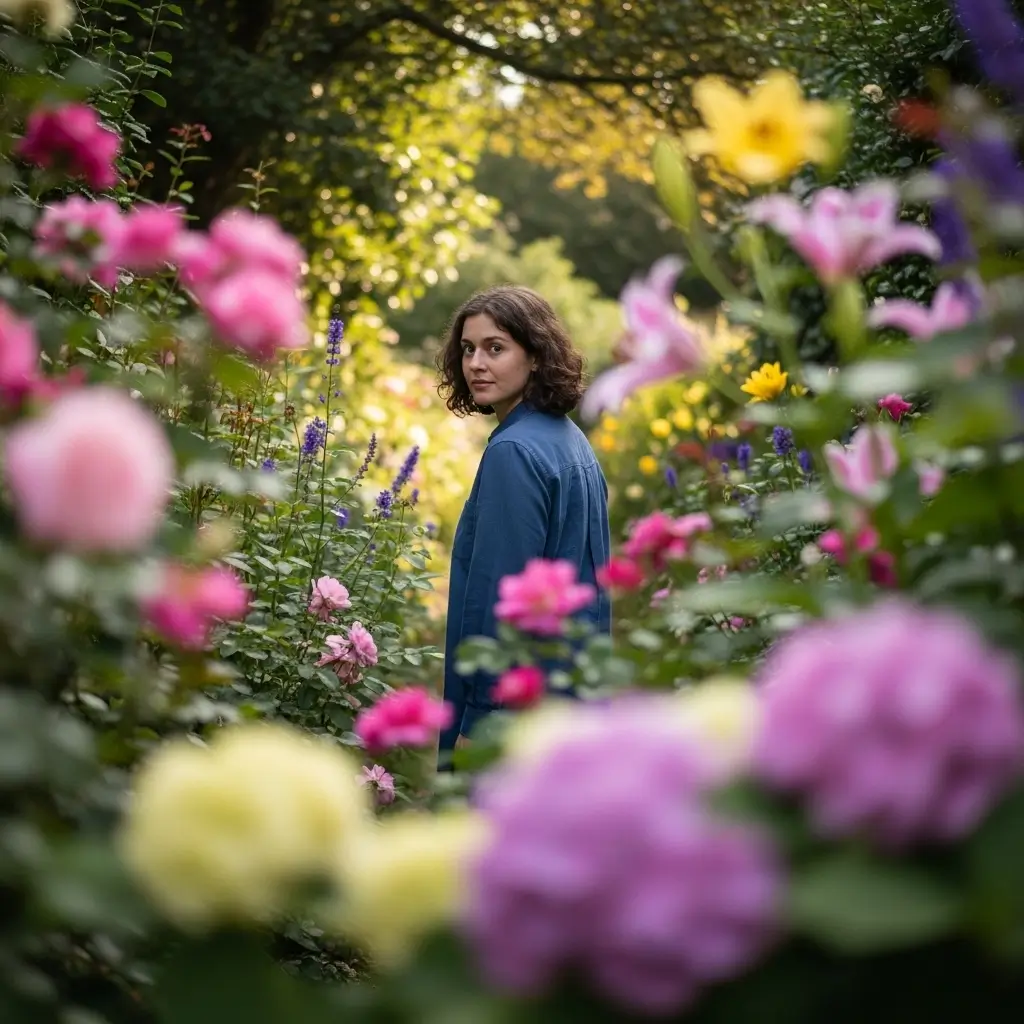
The surrounding flowers naturally frame the subject, adding depth and context. This approach works beautifully in narrow garden paths or flower clusters.
14. Flowers Against the Sky
Shoot from a low angle with flowers reaching into the sky. Even a few blooms can look dramatic this way. This perspective emphasizes height and space, making small gardens appear larger.
Clear skies or soft clouds work well as backgrounds. Low-angle shots are simple but give a bold, fresh look to garden photography.
15. Blurred Foreground Pop
Place one flower close to the camera and focus on another behind it. The blur adds depth and guides the viewer’s eye to the main subject.
This technique works for both portraits and flower clusters. It makes photos visually dynamic without complicated editing. Natural light and shallow depth of field amplify the effect beautifully.
16. Shadow on Face
Let leaves or petals cast soft shadows on a face or hands. This creates subtle textures and adds interest to otherwise simple shots. Shadows give photos a natural, artistic quality without extra props.
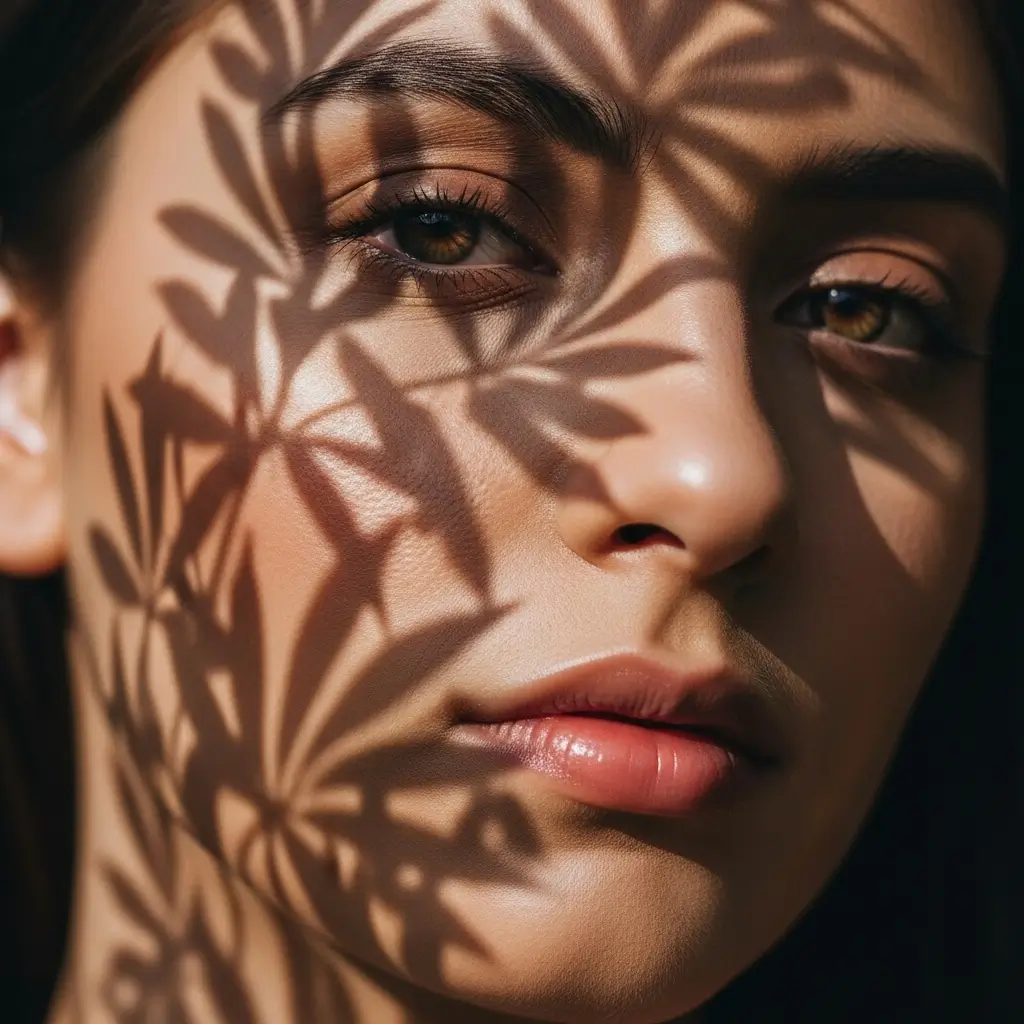
Experiment with different angles and light intensity to get soft or dramatic results. It’s a small detail that makes portraits stand out.
17. Flower Rows
Shooting straight down rows of flowers, planters, or pots creates clean lines and perspective. The repeating patterns guide the viewer’s eye and add structure to your photos.
This is perfect for vertical shots or Pinterest pins. Even uneven rows look visually appealing if captured with the right angle and lighting.
18. Petals in Motion
Capture petals falling, shaking, or being tossed lightly. Movement adds life and playfulness to photos. Use burst mode or a slightly faster shutter speed to catch the perfect frame.
These shots feel whimsical and organic, highlighting the natural energy of the garden. Small gardens, balconies, and flower beds all work for this idea.
19. Sitting on the Garden Edge
Place someone on a path, step, or low wall with flowers beside them. This creates a relaxed, natural composition.
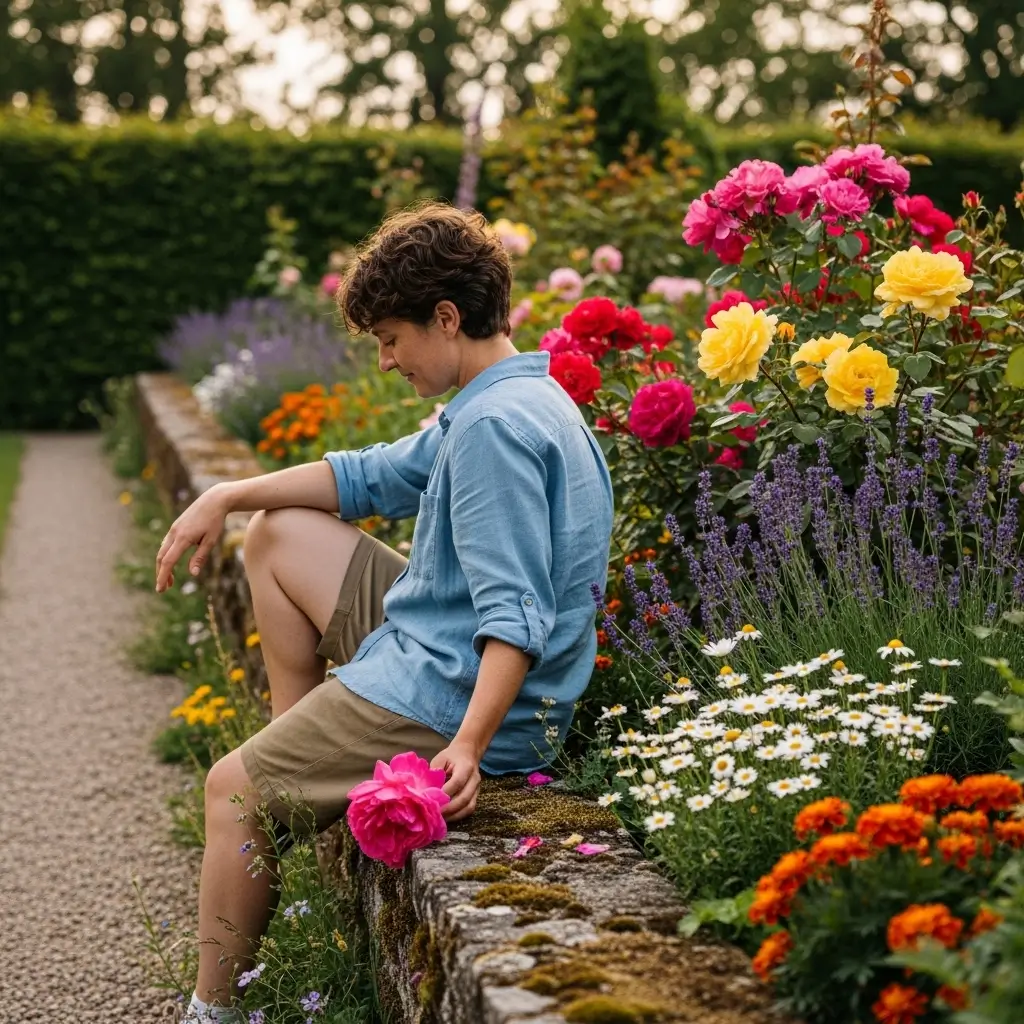
It’s a simple way to show the relationship between people and their garden space. Include surrounding blooms to add softness and depth. Casual seating poses keep photos approachable and cozy.
20. Single Stem Focus
Focusing on one bloom with a clean background is simple and striking. Minimalism often catches the eye better than cluttered shots.
Highlight textures, colors, or unique shapes of a single flower. This technique works well for Pinterest boards because it creates clear, attention-grabbing visuals.
21. Through a Window or Door
Shoot flowers through a window, glass door, or open gate. Reflections add subtle layers and interest to the image.
This perspective feels voyeuristic in a charming way, as if peeking into a secret garden. It’s a perfect approach for both indoor and outdoor spaces.
22. Flower Crown Moment
Tuck a few flowers into hair for a relaxed, natural crown. Keep it loose and imperfect for an effortless look.
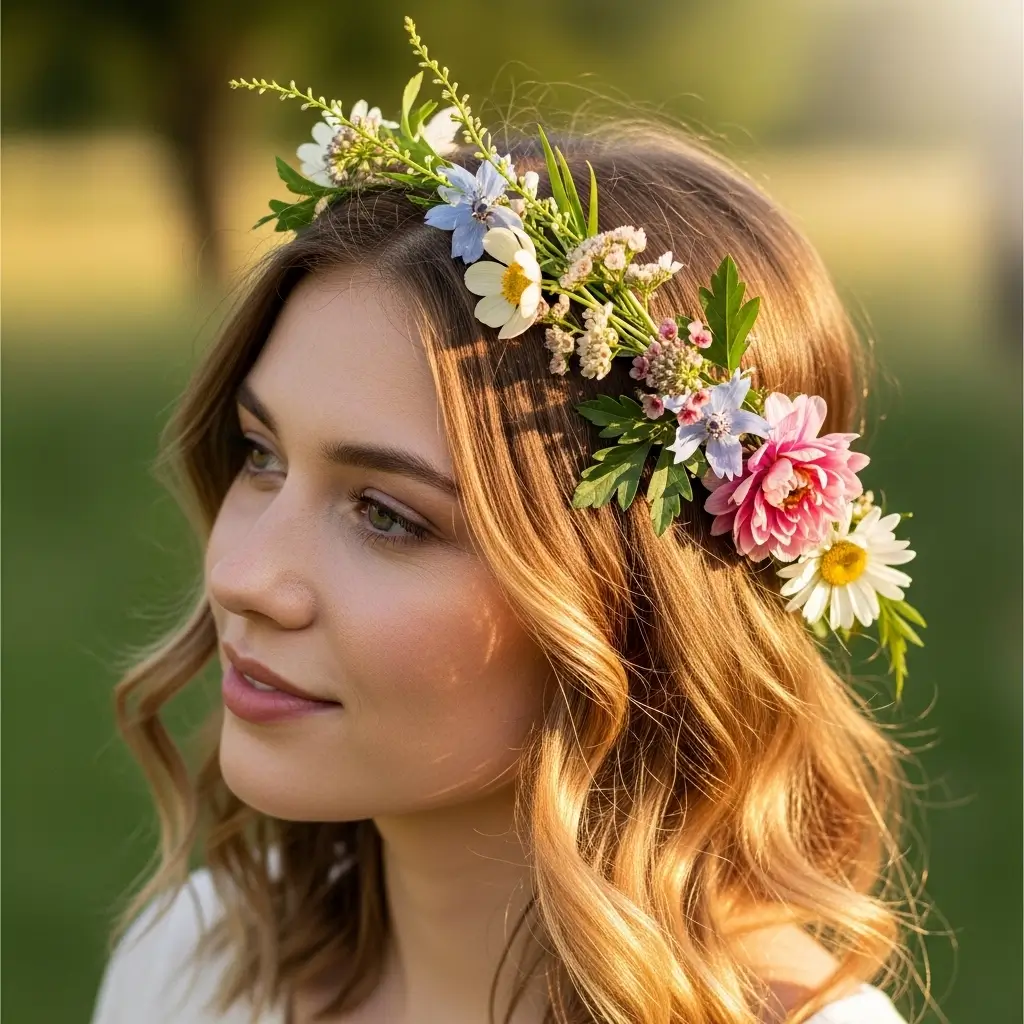
This adds charm and whimsy without overdoing styling. Close-ups and medium shots highlight the floral details beautifully.
23. Natural Frames
Use arches, trellises, tall plants, or fences to frame your subject. Framing adds structure and depth naturally, guiding the viewer’s eye.
It works for both portraits and flower-only shots. Let the garden elements lead the composition rather than forcing it.
24. Flower Shadows on Fabric
Drape plain fabric nearby and let flowers cast soft shadows. Minimalist and soft, this creates elegant, airy images.
It’s an easy way to create visually appealing flat lays or creative still life shots. Changing light angles gives variety and depth to each photo.
Final Thoughts
Flower gardens are full of photo opportunities, no matter their size. The key is to observe light, angles, and natural interactions rather than over-styling.
Small gestures, imperfections, and simple compositions often create the most memorable shots. With these ideas, your garden photos can feel real, inviting, and scroll-stopping.
Grab your camera or phone, try a few of these approaches, and watch your garden transform into a dreamy Pinterest feed.